









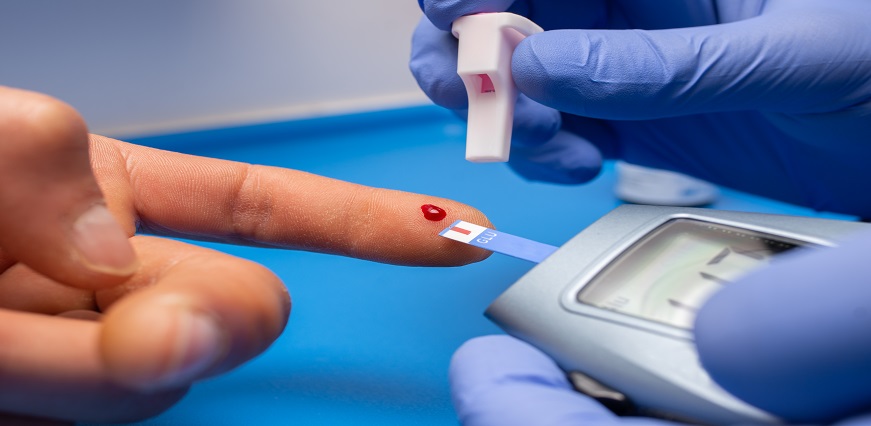
High blood urea means that the level of urea in the blood is higher than the expected range for the test. Urea is a waste product formed when the body breaks down protein. The kidneys normally filter waste products from the blood and remove them through urine.
High blood urea is not a disease by itself. It can occur when the kidneys are not filtering waste efficiently, but it can also happen because of dehydration, a high-protein intake, certain medicines, reduced blood flow to the kidneys, or other health conditions.
Mildly elevated blood urea may not cause noticeable symptoms. A blood test, along with other kidney-function tests such as creatinine and eGFR, can help doctors understand why the level is high and whether further evaluation is needed.
What Is High Blood Urea?
High blood urea refers to a higher-than-normal amount of urea in the bloodstream.
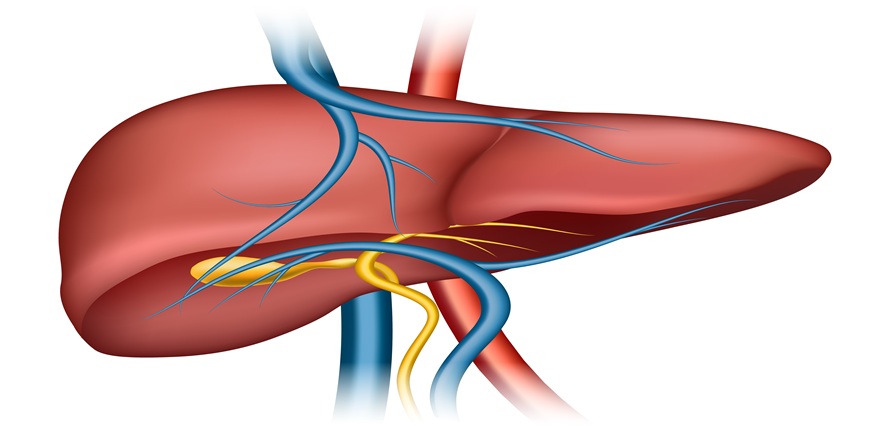
Urea is produced mainly in the liver when the body breaks down protein. It travels through the blood to the kidneys, where it is filtered and eventually leaves the body in urine.
When urea production increases or the kidneys are unable to remove it efficiently, the blood urea level can rise.
High blood urea may be associated with:
- Kidney disease or reduced kidney function
- Dehydration
- A high-protein diet
- Certain medicines
- Urinary tract obstruction
- Reduced blood flow to the kidneys
- Severe illness or infection
- Increased protein breakdown in the body
Therefore, one high blood urea result does not automatically mean that a person has kidney disease. The result needs to be interpreted along with symptoms, medical history and other laboratory tests.
What Is the Normal Blood Urea Level?
The normal range depends on the test performed, the laboratory's reference range and other individual factors.
Blood urea may be reported as serum urea, while some laboratories report Blood Urea Nitrogen (BUN).
A commonly used reference range for BUN is approximately 6–20 mg/dL, but laboratories may use different ranges. Always use the reference range printed on your laboratory report when interpreting your result.
For serum urea, the reference range may also vary between laboratories and testing methods.
BUN vs Serum Urea
BUN and serum urea are related but are not exactly the same measurement.
- BUN (Blood Urea Nitrogen): Measures the amount of nitrogen in the blood that comes from urea.
- Serum urea: Measures urea itself in the blood.
Because the units and measurements are different, their numerical values should not be directly compared.
If your report shows a high value, discuss the result with your doctor rather than interpreting it based only on a general reference range.
What Causes High Blood Urea?
There are several possible causes of high blood urea. Some are temporary, while others may require medical evaluation.
1. Kidney Disease
The kidneys normally remove urea from the blood. When kidney function is reduced, urea may accumulate in the bloodstream.
Kidney disease can be acute or chronic, and other tests such as creatinine and eGFR are usually considered when evaluating kidney function.
2. Dehydration
Dehydration can increase blood urea because there is less fluid in the bloodstream and the kidneys may conserve water.
Dehydration can occur because of:
- Not drinking enough fluids
- Excessive sweating
- Fever
- Vomiting
- Diarrhoea
- Excessive fluid loss from other causes
If dehydration is responsible, correcting the underlying fluid loss may help bring the blood urea level back toward the normal range.
3. High-Protein Diet
Protein breakdown produces urea. Eating a large amount of protein may therefore increase urea production.
This does not mean that everyone with high blood urea should stop eating protein. People with kidney disease may have specific dietary requirements, so protein intake should be discussed with a doctor or qualified dietitian.
4. Urinary Tract Obstruction
A blockage that prevents urine from flowing normally can interfere with the removal of waste products.
Possible causes include kidney stones, an enlarged prostate and other conditions affecting the urinary tract.
5. Reduced Blood Flow to the Kidneys
Conditions that reduce blood flow to the kidneys can affect their ability to filter waste effectively.
Certain heart conditions, severe dehydration and significant blood loss can contribute to reduced kidney blood flow.
6. Certain Medicines
Some medicines can affect kidney function or influence blood urea levels.
If your blood urea is high, tell your doctor about all prescription medicines, over-the-counter medicines and supplements you take.
Do not stop prescribed medicines on your own.
7. Severe Infection or Serious Illness
Severe infections and other serious illnesses can affect fluid balance, circulation and kidney function. These changes may contribute to an increase in blood urea.
Who Is at Higher Risk of High Blood Urea?
The risk of abnormal kidney-related blood test results may be higher in people who have:
- Chronic kidney disease
- Diabetes
- High blood pressure
- Heart disease
- A family history of kidney disease
- Older age
- Recurrent dehydration
- Conditions affecting the urinary tract
- Certain long-term medication use
People with risk factors may benefit from regular health check-ups and kidney-function testing as recommended by their healthcare provider.
Can High Blood Urea Be Temporary?
Yes. High blood urea does not always mean permanent kidney damage.
Temporary increases can occur because of dehydration, a high protein intake, acute illness or other short-term changes in the body.
When the underlying cause is corrected, the blood urea level may return toward the normal range.
However, persistently high or progressively increasing levels should be evaluated by a healthcare professional.
What Are the Symptoms of High Blood Urea?
High blood urea itself may not cause symptoms, particularly when the elevation is mild.
Symptoms may occur when the underlying condition is affecting kidney function or when waste products build up significantly.
Possible symptoms include:
- Tiredness or weakness
- Nausea or vomiting
- Loss of appetite
- Changes in urination
- Reduced urine output
- Swelling in the feet, ankles or hands
- Itchy or dry skin
- Muscle cramps
- Difficulty concentrating
- An unusual or metallic taste in the mouth
- Shortness of breath in some cases
These symptoms are not specific to high blood urea and can occur with many other conditions. A blood test and appropriate medical evaluation are needed to determine the cause.
Is High Blood Urea Dangerous?
High blood urea can be important, but the level alone does not determine how serious the problem is.
The significance depends on:
- How high the result is
- Whether the level is increasing
- Kidney function
- Creatinine and eGFR results
- Hydration status
- Other blood and urine test results
- The underlying medical condition
- Symptoms
A mildly elevated result caused by temporary dehydration is very different from a high result associated with significant kidney dysfunction.
If high blood urea occurs along with very low urine output, severe swelling, persistent vomiting, breathing difficulty, confusion or extreme weakness, prompt medical attention is important.
High Blood Urea but Normal Creatinine: What Does It Mean?
A high blood urea result with a normal creatinine level does not necessarily mean kidney disease.
Possible reasons include:
- Dehydration
- High protein intake
- Certain medicines
- Increased protein breakdown
- Gastrointestinal bleeding
- Other conditions that affect urea production or blood flow to the kidneys
Doctors may look at the urea or BUN result together with creatinine, eGFR, symptoms, hydration status and other test results.
Therefore, it is better to interpret the complete kidney-function profile rather than focusing on one number.
High Blood Urea vs High Uric Acid: What Is the Difference?
Blood urea and uric acid are two different substances.
Blood Urea
Urea is produced when the body breaks down protein. It is mainly removed from the blood by the kidneys and excreted in urine.
Uric Acid
Uric acid is produced when the body breaks down purines. High uric acid levels are known as hyperuricemia and may be associated with conditions such as gout or uric acid kidney stones.
High blood urea and high uric acid are not the same condition.
A high uric acid level should not be described as high blood urea, and vice versa.
How Is High Blood Urea Diagnosed?
High blood urea is identified through a blood test. Doctors may recommend additional tests to understand why the result is abnormal.
Blood Urea Nitrogen (BUN) Test
The BUN test measures the amount of nitrogen in the blood that comes from urea.
A high BUN result may occur with kidney problems, dehydration and several other conditions.
Serum Urea Test
A serum urea test measures the amount of urea in the blood.
The reference range depends on the laboratory and testing method.
Creatinine Test
Creatinine is another waste product that is commonly measured when evaluating kidney function.
Doctors often interpret creatinine together with urea or BUN rather than relying on a single test.
eGFR Test
Estimated glomerular filtration rate, or eGFR, provides an estimate of how well the kidneys are filtering blood.
Urine Tests
Urine testing may help identify protein, blood, infection or other findings associated with kidney or urinary tract problems.
Depending on the suspected cause, your doctor may also recommend imaging tests such as an ultrasound.
How to Reduce High Blood Urea?
There is no single treatment that lowers high blood urea for everyone.
The most appropriate approach is to identify and treat the underlying cause.
Depending on the cause, your doctor may recommend:
Correct Dehydration
If dehydration is contributing to the high level, appropriate fluid replacement may help.
However, people with certain kidney or heart conditions may have fluid restrictions. Do not force yourself to drink excessive amounts of water without medical advice.
Treat the Underlying Kidney Problem
If reduced kidney function is responsible, treatment will depend on the type and severity of the kidney condition.
Manage Diabetes and Blood Pressure
Good control of diabetes and high blood pressure can help protect kidney health.
Review Medicines
Your doctor may review medicines that could be affecting kidney function or blood urea levels.
Never stop or change prescription medicines without medical advice.
Adjust Protein Intake When Appropriate
Some people may need dietary adjustments if they consume excessive protein or have kidney disease.
However, protein restriction is not appropriate for everyone. Follow an individualized dietary plan recommended by your doctor or dietitian.
Treat Urinary Tract Obstruction
If a blockage is responsible, treatment is directed at removing or relieving the obstruction.
Dialysis in Severe Kidney Failure
In advanced kidney failure or certain serious acute kidney conditions, dialysis may be required to remove waste and excess fluid from the blood.
Dialysis is not required simply because a blood urea result is above the laboratory reference range. The decision depends on the overall clinical situation.
Foods to Eat With High Blood Urea
There is no single diet that is suitable for everyone with high blood urea.
Your diet depends on the reason for the elevated result and your overall kidney function.
Depending on your individual condition, your healthcare provider may recommend a balanced diet that includes appropriate amounts of:
- Fruits
- Vegetables
- Whole grains or other suitable carbohydrate sources
- Healthy fats
- Appropriate protein
- Adequate fluids when medically appropriate
If you have kidney disease, your doctor or dietitian may also advise you about sodium, potassium, phosphorus, protein and fluid intake.
Foods to Limit With High Blood Urea
Depending on your medical condition, you may be advised to limit:
- Excessively high-protein meals
- Processed meats
- Very salty foods
- Packaged and highly processed foods
- Excess protein supplements
- Foods or drinks that your healthcare provider has specifically advised you to restrict
Do not follow a strict “kidney diet” without professional guidance. Dietary requirements vary considerably between people.
How Can You Prevent High Blood Urea?
Not every cause of high blood urea can be prevented, but healthy habits can support kidney health.
Helpful measures include:
- Drink an appropriate amount of fluid for your health condition.
- Eat a balanced diet.
- Avoid excessive protein intake unless advised otherwise.
- Maintain a healthy weight.
- Exercise regularly as appropriate for your health.
- Keep blood pressure under control.
- Manage diabetes effectively.
- Avoid unnecessary use of medicines that may affect the kidneys.
- Do not take supplements without checking with your healthcare provider.
- Get regular health check-ups if you have risk factors for kidney disease.
When Should You See a Doctor?
Speak with a healthcare professional if a blood test shows high urea, particularly if the result remains high or you have risk factors for kidney disease.
Seek prompt medical attention if high blood urea is accompanied by symptoms such as:
- Very little or no urine
- Severe or worsening swelling
- Difficulty breathing
- Persistent vomiting
- Confusion
- Severe weakness
- Significant changes in consciousness
These symptoms can indicate a serious underlying problem and should not be ignored.
Conclusion
High blood urea is a laboratory finding that can occur for several reasons, including kidney problems, dehydration, high protein intake, certain medicines and other health conditions.
A high result does not automatically mean kidney disease. Doctors usually evaluate blood urea along with creatinine, eGFR, urine tests, symptoms and medical history to identify the underlying cause.
If you have high blood urea, do not try to lower the number by making major changes to your water or protein intake without medical advice. The most effective approach is to identify and treat the reason for the elevated result.
Early evaluation is particularly important if you have diabetes, high blood pressure, a history of kidney disease or symptoms such as reduced urine output, swelling, persistent vomiting, breathing difficulty or severe weakness.



















 To reach our help desk call 7982100200
.png)
Comments