




Home Sample Collection

Highly Trained Staff & Doctors
Same Day Reports Over Email

Zero Contamination QualiCare Kit

Home > Category > Tuberculosis Test > Tuberculosis Test in Gurugram > Tuberculosis Test in Rajiv-nagar
Showing 1 - 15 of 122
Tuberculosis (TB) is a communicable disease that mainly affects the lungs. It spreads through droplets released when a person with TB coughs, sneezes, or spits. A tuberculosis test helps detect infection caused by Mycobacterium tuberculosis.
A TB test in Gurugram may be recommended if you have symptoms of TB, have been exposed to someone with active TB, or have certain risk factors.
The two commonly used TB screening tests are the TB skin test (Mantoux test) and the TB blood test (IGRA). These tests help identify TB infection. Additional tests may be needed to determine whether the infection is active or latent.
A doctor may recommend testing if you have:
A cough lasting more than three weeks
Coughing up blood or sputum
Chest pain
Fatigue
Loss of appetite
Unexplained weight loss
Night sweats
A TB test may also be recommended if you have been exposed to someone with active TB or have conditions that increase the risk of developing active TB.
Generally, no special preparation is required for a TB test and fasting is not needed.
Before the test, inform your doctor about your BCG vaccination, medical conditions, and medicines you are taking.
If you undergo a TB skin test, you must return after 48–72 hours so the healthcare professional can check the reaction.
For the TB skin test, a small amount of tuberculin is injected under the skin of the forearm. The reaction is checked after 48–72 hours.
For the TB blood test, a small blood sample is collected from a vein and sent to the laboratory for analysis.
A positive result indicates that TB infection may be present. Additional tests, such as a chest X-ray or sputum test, may be required to determine whether the infection is active.
A negative result generally means that TB infection was not detected. However, if symptoms or risk factors are present, your doctor may recommend further testing.
The risk of TB may be higher in people with:
HIV infection
Diabetes
Weakened immune system
Certain cancers
Severe kidney disease
Low body weight
Organ transplantation
Previous TB infection
Exposure to active TB
Certain medicines or treatments that suppress the immune system
Follow BCG vaccination recommendations.
Take preventive treatment if recommended by your doctor.
Complete TB treatment as prescribed.
Cover your mouth and nose when coughing or sneezing.
Keep living and working spaces well ventilated.
Follow isolation advice if you have active TB.
Get screened if you are at increased risk.
Maintain a healthy lifestyle and avoid smoking.
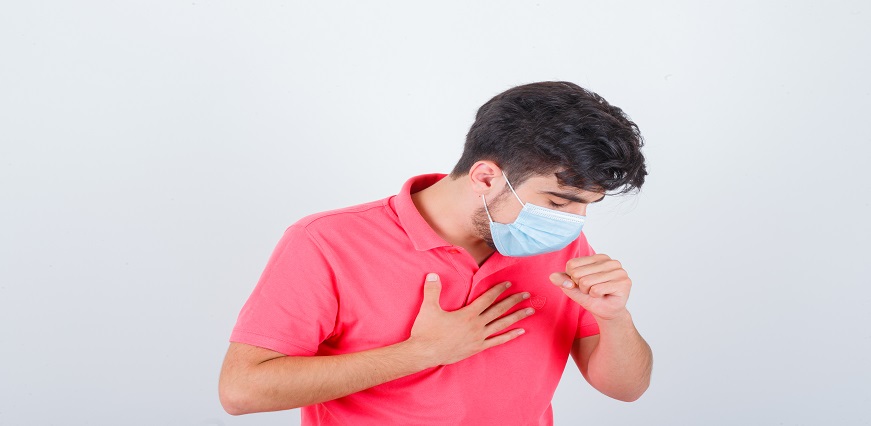
Tuberculosis is a bacterial infection that primarily affects the lungs. It ca...Read More

Coughing up blood can be a sign of a serious medical condition, such as lung ...Read More
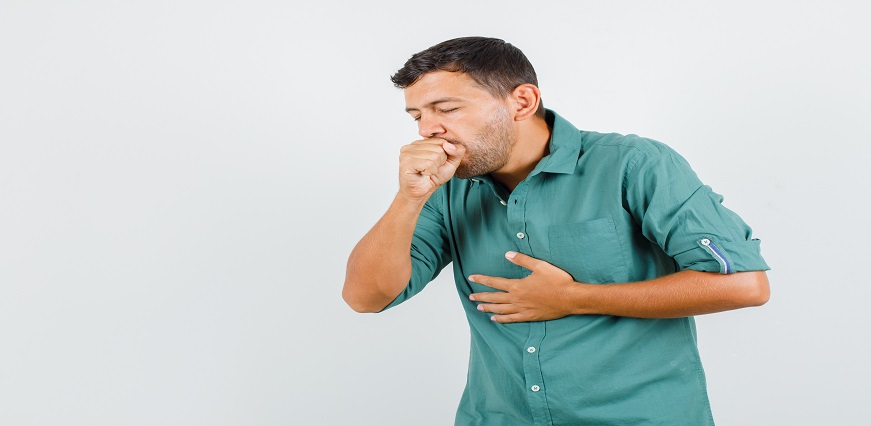
Tuberculosis is a bacterial infection that is contagious in nature. Usually, ...Read More
.png)

 SORT
SORT











 To reach our help desk call 7982100200