









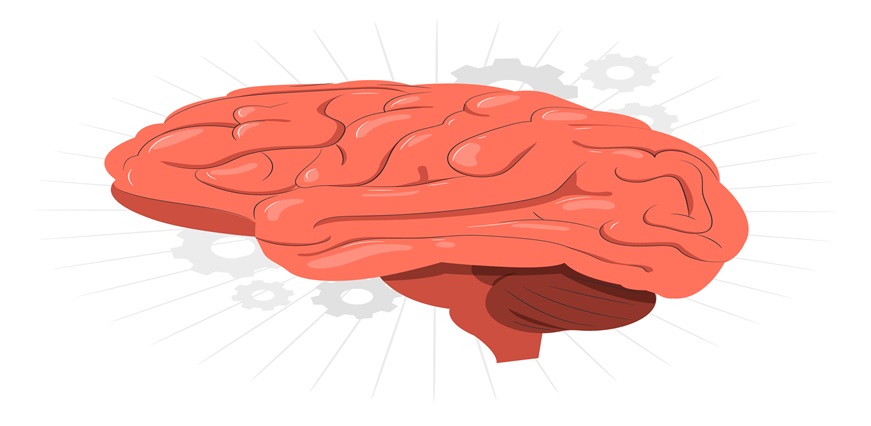
Meningitis is an infection and inflammation of the fluids and membranes surrounding the brain and spinal cord. These membranes are called meninges, and their primary function is to protect the brain and spinal cord from injury and provide support.
This condition is quite serious because when the meninges swell due to meningitis, they press against the brain and spinal cord, disrupting crucial biological functions. Anyone can develop meningitis, but babies and old adults are at the most risk.
The symptoms of Meningitis can vary in adults, making it crucial to thoroughly understand all these symptoms for early detection and prompt treatment of this condition.
Cause of Meningitis in Adults
Meningitis in adults can be caused due to viruses, bacteria, fungi, and other infectious pathogens. However, non-infectious conditions can also cause meningitis.
Infectious causes
An adult can develop meningitis from infectious causes, including:
- Viruses such as flu, chicken pox, common cold, mumps, and measles.
- Bacteria: The most common bacterial that can cause meningitis is Neisseria meningitidis, also known as meningococcal disease. Streptococcus pneumonia, Group B Streptococcus, and Haemophilus influenza are other bacteria that can lead to meningitis.
- Fungi such as Cryptococcus neoformans, Coccidioides immitis, Aspergillus, and Candida
Non-Infectious causes
An adult can develop meningitis from non-infectious conditions, including:
- Cancer
- Lupus
- Head trauma
- Brain surgery
- Certain medications
Symptoms of Meningitis
The symptoms of Meningitis can vary in babies and adults and can develop suddenly. The early-stage symptoms of Meningitis can be similar to the flu.
Some common signs of meningitis in adults are:
- Headache
Headache is a common meningitis symptom caused due to inflammation of the meninges membrane. The headache due to meningitis can start suddenly and spread throughout the head instead of remaining on a specific side.
- 2. Sudden Fever
A person with meningitis can develop a sudden fever. A fever is generally an immune response when the body detects some unwanted viruses and bacteria. If the meningitis is being caused by some infectious pathogens, then a fever is common.
- Rash
A rash is one of the signs of meningitis and appears like pin-pricks and bruises of red, blue, brown, or purple colour. The rash is caused when bacteria enter the bloodstream, the blood vessels can break, leading to bleeding under the skin. These rashes are caused by a type of bacterial meningitis known as meningococcal disease.
- Confusion
Confusion is an early-stage symptom of meningitis caused due to swelling and inflammation around the brain. In some cases, meningitis can cause long-term problems such as learning difficulties and problems with memory and thinking.
- Neck Stiffness
Neck stiffness or pain is another common symptom of meningitis. The stiffness is caused due to inflammation around the spinal cord and can worsen when someone bends their neck forward.
Other signs of meningitis include:
- Nausea and vomiting
- Sensitivity to light, also known as photophobia
- Lack of appetite
- Lack of energy or trouble staying awake
- Hallucinations
- Seizers
- Muscle and joint pain
Meningitis Diagnosis and Treatment
Diagnosis of meningitis is usually done through tests that help determine whether the condition is the result of bacterial or viral infections. Some of these tests are:
- A blood test to check for signs of infection
- A lumbar puncture test includes a needle that is inserted into the lower back to get a sample of cerebrospinal fluid (a fluid that surrounds your brain and spinal cord).
- A CT scan or MRI of the brain to check for inflammation
The treatment of meningitis can vary depending on the cause. Viral meningitis does not have any specific treatment, and people with it are usually told to get better by taking rest and fluid. Bacterial meningitis is treated using antibiotics, whereas fungal meningitis antifungal medicines are used to treat it.
The treatment of meningitis caused due to non-infectious conditions, such as cancer or head trauma, is done by addressing the condition or illness.
When to see a doctor
Seek immediate medical help if someone is experiencing meningitis symptoms such as:
- Headache
- Confusion
- Vomiting
- Stiff neck
- Fever
Meningitis is a very serious condition and can be life-threatening if not treated on time. Trust your instincts and contact your doctor when any symptoms occur. Delayed meningitis treatment can also result in long-lasting damage, such as permanent brain damage.
Although meningitis is not contagious, most bacterial and viral meningitis can still spread from person to person. This makes it very important to contact the doctor if someone has been in contact with a person with meningitis to get medication to prevent the infection.


















 To reach our help desk call 7982100200
.png)
Comments