










What is CRP Test?
When the body is fighting an infection, injury, or inflammation, it produces several substances to protect itself. One such important substance is C-Reactive Protein (CRP). The CRP Test is a blood test that measures the level of C-reactive protein in the blood and helps doctors identify inflammation in the body.
Inflammation is the body's natural response to infection, injury, or disease. However, when inflammation becomes excessive or chronic, it can indicate underlying health conditions such as infections, autoimmune disorders, cardiovascular diseases, or certain chronic illnesses.
The CRP test is one of the most commonly prescribed laboratory tests because it helps doctors assess inflammation levels, monitor treatment progress, and evaluate overall health.
In this detailed guide, we will discuss everything you need to know about the CRP test, including its purpose, procedure, normal range, interpretation of results, causes of elevated CRP levels, and more.
What is C-Reactive Protein (CRP)?
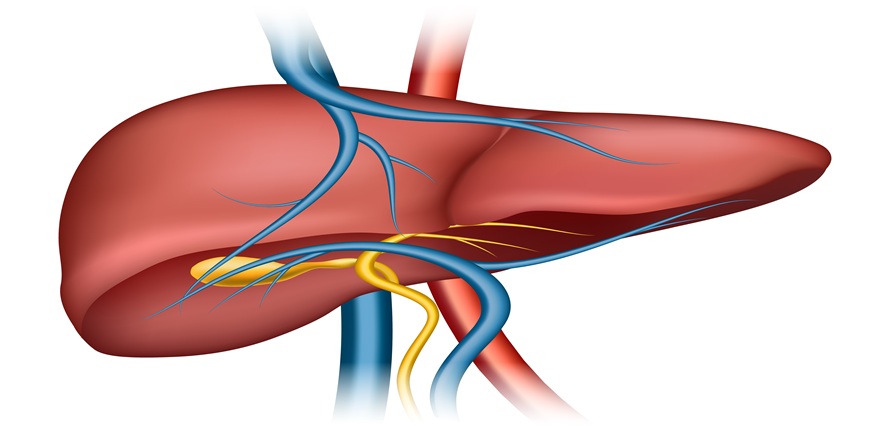
C-Reactive Protein (CRP) is a protein produced by the liver. Its production increases when there is inflammation anywhere in the body.
When the immune system detects infection, injury, or tissue damage, the liver releases CRP into the bloodstream. Higher CRP levels generally indicate higher levels of inflammation.
However, a CRP test alone cannot determine the exact cause of inflammation. It only indicates that inflammation is present and may require further investigation.
Quick Overview of CRP Test
| Parameter | Details |
|---|---|
| Test Name | C-Reactive Protein (CRP) Test |
| Sample Type | Blood Sample |
| Purpose | Detect and monitor inflammation |
| Fasting Required | Usually Not Required |
| Report Time | Typically Within 24 Hours |
| Recommended By | General Physicians, Cardiologists, Rheumatologists, Infectious Disease Specialists |
| Measures | CRP Level in Blood |
Why is a CRP Test Done?
Doctors may recommend a CRP test for several reasons.
1. To Detect Inflammation
The primary purpose of the CRP test is to identify inflammation in the body.
Inflammation may occur due to:
- Bacterial infections
- Viral infections
- Autoimmune diseases
- Tissue injury
- Chronic inflammatory conditions
2. To Diagnose Infections
CRP levels can rise significantly during bacterial infections.
Doctors often use the CRP test to evaluate:
- Pneumonia
- Tuberculosis
- Sepsis
- Urinary tract infections
- Severe respiratory infections
3. To Monitor Autoimmune Diseases
People with autoimmune disorders may undergo CRP testing regularly.
Examples include:
- Rheumatoid Arthritis
- Lupus
- Vasculitis
- Inflammatory Bowel Disease (IBD)
The test helps doctors determine disease activity and treatment effectiveness.
4. To Assess Heart Disease Risk
A specialized version called the High-Sensitivity CRP (hs-CRP) Test helps assess the risk of cardiovascular disease.
Studies have shown that chronic low-grade inflammation may contribute to:
- Heart attacks
- Stroke
- Coronary artery disease
5. To Monitor Treatment Progress
Doctors often repeat CRP tests after treatment begins.
Declining CRP levels may indicate:
- Recovery from infection
- Reduced inflammation
- Effective treatment response
Symptoms That May Require a CRP Test
A doctor may recommend a CRP test if you experience:
- Persistent fever
- Fatigue
- Body aches
- Joint pain
- Swelling
- Unexplained weakness
- Chronic infections
- Breathing difficulties
- Chest pain
- Symptoms of autoimmune disorders
Conditions Associated with High CRP Levels
High CRP levels may be linked to various medical conditions.
| Condition | Impact on CRP |
|---|---|
| Bacterial Infection | Significant Increase |
| Viral Infection | Mild to Moderate Increase |
| Rheumatoid Arthritis | Elevated |
| Lupus | Elevated |
| Crohn's Disease | Elevated |
| Ulcerative Colitis | Elevated |
| Pneumonia | Elevated |
| Heart Disease | Mild Increase |
| Obesity | Mild to Moderate Increase |
| Cancer | May Increase |
| Trauma or Injury | Elevated |
Types of CRP Tests
There are mainly two types of CRP tests.
Standard CRP Test
This test measures general inflammation levels in the body.
It is commonly used for:
- Infection detection
- Autoimmune disorders
- Monitoring inflammatory conditions
High-Sensitivity CRP (hs-CRP) Test
The hs-CRP test measures very low levels of CRP and helps evaluate cardiovascular risk.
It is often recommended for people with risk factors such as:
- High blood pressure
- Diabetes
- Smoking
- Obesity
- Family history of heart disease
How is the CRP Test Performed?
The CRP test is a simple blood test.
Step-by-Step Process
- A healthcare professional cleans the skin.
- A sterile needle is inserted into a vein.
- A blood sample is collected.
- The sample is sent to the laboratory.
- Results are analyzed and reported.
The entire procedure usually takes only a few minutes.
Do You Need Fasting for a CRP Test?
In most cases, fasting is not required before a standard CRP test.
However, if your doctor orders additional blood tests such as:
- Lipid Profile
- Blood Sugar Test
- Comprehensive Health Checkup
you may need fasting as instructed.
Always follow your doctor's recommendations.
CRP Test Normal Range
The normal range may vary slightly among laboratories.
Standard CRP Test
| CRP Level | Interpretation |
|---|---|
| Less than 10 mg/L | Normal |
| 10–40 mg/L | Mild Inflammation |
| 40–200 mg/L | Significant Inflammation |
| Above 200 mg/L | Severe Inflammation or Infection |
hs-CRP Normal Range for Heart Disease Risk
| hs-CRP Level | Cardiovascular Risk |
|---|---|
| Less than 1.0 mg/L | Low Risk |
| 1.0 – 3.0 mg/L | Average Risk |
| Above 3.0 mg/L | High Risk |
These values help doctors evaluate the likelihood of future cardiovascular events.
What Does a High CRP Level Mean?
A high CRP level indicates inflammation somewhere in the body.
Possible causes include:
Infections
- Bacterial infections
- Sepsis
- Pneumonia
- Tuberculosis
Autoimmune Diseases
-
Rheumatoid Arthritis
- Lupus
- Vasculitis
Chronic Conditions
-
Diabetes
- Obesity
- Heart disease
Injury and Trauma
-
Burns
- Surgery recovery
- Physical injuries
Cancer
Certain cancers may also increase CRP levels.
Further investigations are usually required to identify the exact cause.
What Does a Low CRP Level Mean?
Low CRP levels generally indicate:
- Minimal inflammation
- Good treatment response
- Lower cardiovascular risk (in hs-CRP testing)
A low CRP result is usually considered favorable.
Factors That Can Affect CRP Levels
Several factors can influence CRP levels.
| Factor | Effect on CRP |
|---|---|
| Smoking | Increase |
| Obesity | Increase |
| Pregnancy | Mild Increase |
| Recent Infection | Increase |
| Chronic Disease | Increase |
| Anti-inflammatory Medicines | Decrease |
| Statins | May Decrease |
Therefore, doctors interpret CRP results along with symptoms, medical history, and other laboratory findings.
CRP Test vs ESR Test
Both CRP and ESR are inflammatory markers, but they differ in several ways.
| Feature | CRP Test | ESR Test |
|---|---|---|
| Measures | C-Reactive Protein | Red Blood Cell Sedimentation |
| Response Time | Rapid | Slower |
| Accuracy | More Specific | Less Specific |
| Monitoring Treatment | Better | Moderate |
| Detecting Acute Inflammation | Excellent | Good |
Doctors may sometimes order both tests together for a more complete evaluation.
When Should You Consult a Doctor After a High CRP Result?
You should consult a doctor if your CRP result is elevated and you have symptoms such as:
- Persistent fever
- Severe fatigue
- Joint pain
- Swelling
- Shortness of breath
- Chest pain
- Recurrent infections
Early diagnosis can help prevent complications and improve treatment outcomes.
How Can You Reduce High CRP Levels?
Reducing inflammation often helps lower CRP levels.
Lifestyle Changes
- Maintain a healthy weight
- Exercise regularly
- Quit smoking
- Eat a balanced diet
- Get adequate sleep
- Manage stress effectively
Healthy Foods That May Help
- Fruits
- Vegetables
- Whole grains
- Nuts and seeds
- Fatty fish
- Olive oil
Treatment of the underlying condition is the most important step in reducing elevated CRP levels.
Benefits of the CRP Test
The CRP test offers several advantages.
Early Detection
Helps identify inflammation before symptoms become severe.
Disease Monitoring
Tracks treatment effectiveness.
Infection Assessment
Assists in evaluating infections.
Cardiovascular Risk Assessment
Helps estimate heart disease risk through hs-CRP testing.
Quick and Simple
Requires only a blood sample and delivers fast results.
How Max Lab Helps You from Test Booking to Report Access
At Max Lab, getting your CRP test done is simple, convenient, and hassle-free. Whether your doctor has advised the test to check for inflammation, infection, or monitor an ongoing health condition, Max Lab supports you at every step of the diagnostic journey.
1. Easy Test Booking
You can book your CRP test online through the Max Lab website in just a few clicks. The platform allows you to select your preferred test, choose a convenient time slot, and schedule your appointment with ease.
2. Convenient Home Sample Collection
For added comfort, Max Lab offers home sample collection services in select locations. A trained phlebotomist visits your home at the scheduled time to collect the blood sample, helping you avoid travel and waiting times.
3. Professional Sample Collection
Max Lab follows stringent quality and safety protocols during sample collection and handling to ensure reliable and accurate results.
4. Advanced Laboratory Testing
Your blood sample is processed using modern diagnostic equipment and standardized laboratory procedures. The focus on quality helps ensure accurate CRP measurements that healthcare professionals can trust.
5. Timely Report Delivery
Once the analysis is complete, your CRP test report is made available digitally. This allows you to access your results quickly and conveniently without visiting the laboratory.
6. Easy-to-Understand Reports
Max Lab provides detailed reports that include your CRP value along with the reference range, helping you better understand the findings. However, medical interpretation should always be done by a qualified healthcare professional.
7. Support for Follow-Up Testing
If your doctor recommends repeat CRP testing to monitor treatment progress or disease activity, Max Lab makes rebooking and report tracking simple and convenient.
Why Choose Max Lab?
| Feature | Benefit |
|---|---|
| Online Test Booking | Quick and hassle-free scheduling |
| Home Sample Collection* | Convenient testing from home |
| Trained Healthcare Professionals | Safe and reliable sample collection |
| Advanced Diagnostic Technology | Accurate test results |
| Digital Reports | Easy online access to reports |
| Quality-Focused Processes | Trusted diagnostic services |
| Wide Test Network | Convenient access across multiple locations |
*Home sample collection availability may vary by city and service area.
With Max Lab, you can seamlessly manage your CRP testing journey—from booking the test and sample collection to accessing your report and supporting your ongoing healthcare needs. This patient-centric approach helps make diagnostic testing more convenient, reliable, and accessible.
Frequently Asked Questions (FAQs)
1. What is the CRP test used for?
The CRP test is used to detect inflammation in the body caused by infections, autoimmune disorders, injuries, or chronic diseases.
2. Is fasting required for a CRP test?
Generally, fasting is not required. However, additional tests ordered along with CRP may require fasting.
3. What is a normal CRP level?
A CRP level below 10 mg/L is generally considered normal for most adults.
4. Can a high CRP level indicate infection?
Yes. Bacterial infections often cause significant increases in CRP levels.
5. What is the difference between CRP and hs-CRP?
CRP measures general inflammation, while hs-CRP measures low levels of inflammation associated with cardiovascular risk.
6. Can stress increase CRP levels?
Chronic stress may contribute to inflammation and can indirectly affect CRP levels.
7. Can CRP levels return to normal?
Yes. Once the underlying cause of inflammation is treated, CRP levels often return to normal.
8. Is CRP testing useful for heart disease risk assessment?
Yes. The hs-CRP test is commonly used to assess cardiovascular risk.
Conclusion
The CRP (C-Reactive Protein) Test is an important diagnostic tool that helps detect and monitor inflammation in the body. Elevated CRP levels may indicate infections, autoimmune disorders, chronic inflammatory diseases, or increased cardiovascular risk. While the test cannot identify the exact cause of inflammation, it provides valuable information that helps doctors make informed clinical decisions.
Understanding your CRP results, following medical advice, and addressing the underlying cause of inflammation can play an important role in maintaining overall health. If your doctor recommends a CRP test, timely testing through a trusted diagnostic partner like Max Lab can help ensure accurate results and appropriate medical guidance.


















 To reach our help desk call 7982100200
.png)