






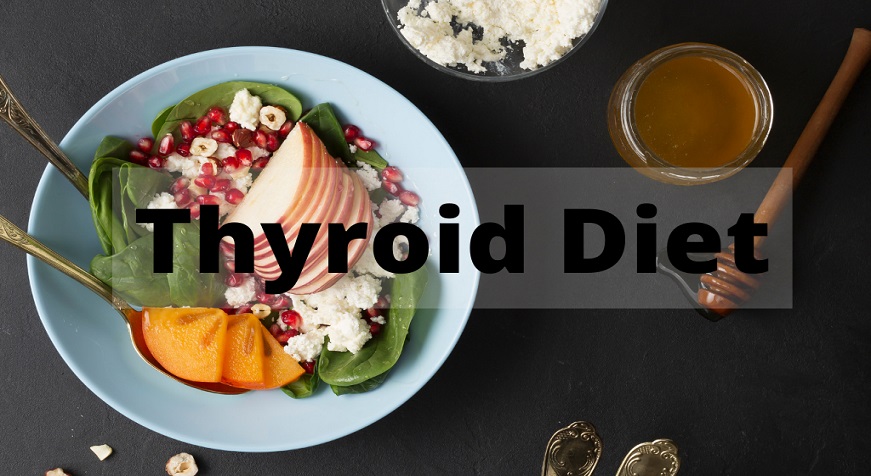
The thyroid gland plays an important role in regulating metabolism, energy use, body temperature and several other essential functions. When thyroid hormone production is too low or too high, it can affect the body in different ways. Hypothyroidism, for example, occurs when the thyroid gland does not produce enough thyroid hormones.
Diet does not replace thyroid treatment, but the right eating pattern can support overall health and help ensure adequate intake of nutrients needed for normal thyroid function. If you are searching for the best food for thyroid patients, it is important to understand that there is no single “thyroid food” that can cure a thyroid disorder. Dietary needs also differ depending on whether a person has hypothyroidism, hyperthyroidism, Hashimoto's disease, thyroid cancer or another thyroid condition.
This guide explains nutritious foods to include, foods that may need to be limited, important nutrients and practical dietary considerations for people living with thyroid disorders.
What Is the Role of Diet in Thyroid Health?
The thyroid uses iodine to produce thyroid hormones. However, more iodine is not necessarily better. Both insufficient and excessive iodine intake can affect thyroid function, particularly in people with certain autoimmune thyroid disorders.A balanced diet is generally the foundation of good nutrition for people with thyroid conditions. Rather than following restrictive “thyroid diets,” focus on getting a variety of vegetables, fruits, whole grains, protein sources and healthy fats.
The appropriate diet can also depend on medications. For example, some foods, beverages and supplements can interfere with the absorption of levothyroxine when consumed too close to the medication.
Best Food for Thyroid Patients
There is no universal list that applies to every thyroid patient. However, several nutritious food groups can form part of a balanced thyroid-friendly diet.
1. Eggs
Eggs provide protein and contain several nutrients, including iodine and selenium. They can be included as part of a balanced diet unless a person has another reason to avoid them.Boiled eggs, scrambled eggs with vegetables or an omelette with lightly cooked vegetables can be practical meal options.
2. Fish and Seafood
Fish can provide high-quality protein and, depending on the type, nutrients such as iodine, selenium and vitamin D.However, people with specific thyroid conditions may need individual guidance regarding iodine intake. For example, people preparing for radioactive iodine treatment may be prescribed a temporary low-iodine diet that has different requirements from an ordinary thyroid diet.
3. Dairy Products
Milk, curd, yogurt and other dairy products can provide protein, calcium and other nutrients. Depending on the product and diet, dairy can also contribute iodine.People taking thyroid medication should pay attention to timing because calcium-containing foods or supplements may interfere with levothyroxine absorption when taken too close to the medicine.
4. Lentils and Pulses
Dal, lentils, chickpeas and beans are useful sources of plant protein and dietary fibre.They can be incorporated into meals such as dal, chana, rajma, soups or mixed-grain dishes.
5. Nuts and Seeds
Nuts and seeds can provide healthy fats, protein and minerals. Suitable options include:
- Almonds
- Walnuts
- Peanuts
- Pumpkin seeds
- Sunflower seeds
- Chia seeds
- Flaxseeds
Because nuts and seeds can be calorie-dense, portion size still matters.
6. Whole Grains
Whole grains such as oats, brown rice, whole wheat, barley and millets can provide carbohydrates, fibre and other nutrients.A varied diet containing whole grains can help support overall metabolic and digestive health.
7. Fresh Fruits
Fruits provide vitamins, minerals, fibre and naturally occurring carbohydrates.
Good choices include:
- Apples
- Oranges
- Guava
- Berries
- Papaya
- Pears
- Bananas
- Pomegranate
There is generally no need to eliminate fruit simply because you have a thyroid condition.
8. Vegetables
Vegetables are an important part of a balanced diet. Include a variety of colours and types across meals.
Options include:
- Carrots
- Tomatoes
- Spinach
- Bell peppers
- Beans
- Pumpkin
- Cucumbers
- Peas
- Cauliflower
- Broccoli
Cruciferous vegetables such as broccoli, cabbage and cauliflower do not automatically need to be eliminated from an ordinary diet. Concerns about these vegetables are often exaggerated. People with thyroid conditions should discuss unusually high consumption or supplementation with a healthcare professional rather than avoiding nutritious vegetables unnecessarily.
9. Lean Protein
Protein supports muscle maintenance and overall nutrition. Suitable options may include:
- Eggs
- Fish
- Chicken
- Dal
- Beans
- Lentils
- Tofu
- Curd
- Paneer
Individual requirements vary according to age, activity level and medical conditions.
10. Healthy Fats
Healthy fat sources can include nuts, seeds, avocados and plant oils.
Using these foods in sensible portions can contribute to a balanced eating pattern without relying heavily on foods high in saturated or trans fats.
Important Nutrients for Thyroid Health
-
Iodine
Iodine is essential because the thyroid uses it to make thyroid hormones. However, excessive iodine can also be harmful.NIDDK notes that people with autoimmune thyroid disease may be sensitive to excessive iodine, and foods containing very large amounts of iodine, such as kelp, dulse and other seaweed, can potentially worsen thyroid problems.
This is why taking iodine supplements without medical advice is not recommended.
-
Selenium
Selenium is involved in thyroid hormone metabolism and antioxidant functions. Food sources include fish, eggs, meat, dairy products, legumes and some nuts.Brazil nuts can contain particularly high amounts of selenium, so consuming large quantities is unnecessary and can potentially provide excessive selenium.
-
Zinc
Zinc contributes to normal metabolism and immune function. Foods such as meat, seafood, dairy, legumes, nuts and seeds can contribute zinc to the diet.
-
Iron
Iron is essential for several body functions. Iron deficiency can occur alongside various health conditions, and supplements should be taken when medically indicated.Importantly, iron supplements can interfere with levothyroxine absorption. People taking thyroid medication should ask their healthcare professional about appropriate timing.
-
Vitamin D
Vitamin D is important for bone and overall health. Sources include sunlight exposure, fortified foods and certain foods such as fatty fish and egg yolks.Whether supplementation is needed depends on individual blood levels and medical advice.
Foods Thyroid Patients May Need to Limit or Avoid
The foods that need to be limited depend on the thyroid condition and medications being used. There is no universal “avoid list.”
1. Excessive Seaweed and Kelp
Seaweed, kelp and related products can contain very high amounts of iodine.People with autoimmune thyroid conditions may be particularly sensitive to excess iodine. NIDDK specifically advises discussing foods and supplements containing large amounts of iodine with a healthcare professional.
2. Unnecessary Iodine Supplements
Taking iodine supplements without documented deficiency or medical advice can be harmful.More iodine does not necessarily mean better thyroid function. In some people, excessive iodine may worsen thyroid dysfunction.
3. Highly Processed Foods
Highly processed foods may be high in added sugar, sodium and unhealthy fats while providing fewer nutrients.Regularly replacing these foods with vegetables, fruits, whole grains and appropriate protein sources can improve overall diet quality.
4. Excessive Sugary Foods
Frequent intake of sweets, sugary drinks and desserts can make weight management more difficult, particularly for people experiencing hypothyroidism-related changes in metabolism.These foods do not need to be completely eliminated, but moderation is useful.
5. Excessive Alcohol
Alcohol can affect overall health and may interfere with healthy eating habits. People taking medications or managing other medical conditions should discuss alcohol consumption with their healthcare professional.
Should Thyroid Patients Avoid Soy?
Soy is often placed on lists of foods that thyroid patients should avoid, but the issue is more nuanced.Soy foods such as tofu, soy milk and soybeans do not automatically need to be eliminated from the diet for everyone with hypothyroidism. However, soy can affect the absorption of levothyroxine when consumed around the time the medication is taken.
The practical approach is to follow your doctor's instructions regarding medication timing rather than unnecessarily removing nutritious foods from your diet.
Should Thyroid Patients Avoid Broccoli and Cabbage?
Broccoli, cabbage, cauliflower and other cruciferous vegetables are nutritious foods and do not automatically need to be avoided.The concern comes from compounds known as goitrogens, but normal portions of these vegetables are generally different from consuming concentrated amounts or supplements.
Instead of eliminating vegetables from the diet, aim for variety and moderation. If you have a specific thyroid disorder or significant iodine deficiency, discuss your individual diet with a healthcare professional.
Thyroid Medicine and Food Timing
Diet and medication timing can be particularly important for people taking levothyroxine.NIDDK notes that levothyroxine is commonly taken on an empty stomach, and some foods, beverages and supplements—including soy, espresso coffee, iron and calcium-containing products—can affect absorption.
Follow the exact instructions provided by your doctor or pharmacist.
Do not change the dose or stop thyroid medication because of dietary changes.
Can Coffee Affect Thyroid Medication?
Coffee itself is not necessarily forbidden for people with thyroid disease. However, espresso coffee and other caffeinated beverages can affect levothyroxine absorption when consumed too close to the medication.
If you take levothyroxine, ask your healthcare professional about the appropriate interval between your medication and coffee.
Best Food for Thyroid Patients With Hypothyroidism
For people with hypothyroidism, the focus should be on an overall balanced diet rather than a single special food.
A practical meal can include:
Breakfast: Oats with fruit and a suitable protein source.
Lunch: Roti or brown rice with dal, vegetables and curd, with medication timing considered where relevant.
Snack: Fruit with a small serving of nuts.
Dinner: Grilled fish, chicken, tofu or dal with vegetables and whole grains.
The exact diet should be adapted to individual calorie needs, health conditions and medication instructions.
Best Food for Thyroid Patients With Hashimoto's Disease
Hashimoto's disease is an autoimmune condition that can cause hypothyroidism.There is no universally proven “Hashimoto diet.” However, a nutrient-dense dietary pattern can support general health.
Particular attention should be paid to iodine intake. Excess iodine from seaweed or supplements can be problematic for some people with autoimmune thyroid disease.
If you have Hashimoto's disease, discuss supplements and major dietary restrictions with your doctor before making changes.
Diet for People With Hyperthyroidism
Hyperthyroidism is different from hypothyroidism because the thyroid produces too much thyroid hormone.
People with hyperthyroidism may have increased metabolic demands and can experience weight loss, muscle weakness and other symptoms.
The appropriate diet depends on the cause and treatment. Excessive iodine can worsen hyperthyroidism in some people, particularly in autoimmune conditions such as Graves' disease.
Do not start a low-iodine diet on your own unless your doctor specifically recommends it.
Low-Iodine Diet Is Not the Same as a Regular Thyroid Diet
A common misconception is that every thyroid patient should follow a low-iodine diet.
That is incorrect.
The American Thyroid Association describes a specific low-iodine diet primarily in relation to radioactive iodine treatment for thyroid cancer. It includes detailed restrictions that are not intended as a general everyday diet for all thyroid patients.
If your doctor has prescribed a low-iodine diet, follow those specific instructions.
Can Diet Cure Thyroid Problems?
Food alone cannot be considered a cure for most thyroid disorders.Hypothyroidism, for example, can have several causes, including Hashimoto's disease, thyroiditis, certain medicines and surgical removal of the thyroid.
When thyroid hormone replacement is prescribed, it should be taken as directed. NIDDK notes that hypothyroidism can generally be controlled with thyroid hormone medicine when the appropriate dose is taken correctly and monitored through follow-up blood tests.
A healthy diet should complement—not replace—medical treatment.
Sample One-Day Thyroid-Friendly Meal Plan
Here is an example of a balanced daily meal pattern:
Early morning:
Water, followed by prescribed thyroid medication according to your doctor's instructions.
Breakfast:
Oatmeal topped with fruit and a small portion of nuts.
Mid-morning:
One whole fruit.
Lunch:
Whole-wheat roti or brown rice, dal, cooked vegetables and a suitable protein source.
Evening:
Unsweetened beverage and a small serving of nuts or roasted legumes.
Dinner:
Fish, chicken, tofu or dal with vegetables and a whole-grain carbohydrate.
Bedtime:
A suitable beverage or snack if required, keeping medication timing in mind.
This is a general example, not an individual medical diet plan.
Lifestyle Tips for Thyroid Patients
Food is only one part of thyroid health. Other healthy habits include:
-
Exercise Regularly
Choose physical activity that suits your health and fitness level. Walking, cycling, swimming, strength training and yoga can all be useful depending on individual circumstances.
-
Maintain a Healthy Weight
Thyroid disorders can affect metabolism and body weight. If you are experiencing unexplained weight gain or weight loss, discuss it with your doctor instead of making extreme dietary changes.
-
Get Adequate Sleep
Consistent sleep can support energy, mood and overall metabolic health.
-
Attend Regular Follow-Ups
Thyroid disorders often require periodic blood tests to assess hormone levels and determine whether treatment needs adjustment. NIDDK notes that follow-up testing is used to monitor and adjust thyroid hormone treatment.
Common Dietary Mistakes Thyroid Patients Should Avoid
-
Taking Supplements Without Testing
Supplements containing iodine, selenium, iron or other nutrients should not be taken simply because they are marketed for thyroid health.
-
Following an Extremely Restrictive Diet
Eliminating gluten, dairy, soy, vegetables or entire food groups without a medical reason can make it harder to maintain a nutritionally balanced diet.
-
Stopping Medication
Dietary changes should never be used as a reason to stop prescribed thyroid medication.
-
Consuming Excessive Iodine
More iodine is not always beneficial. Excess iodine can worsen thyroid dysfunction in susceptible individuals.
-
Relying on “Thyroid Detox” Products
Detox drinks, herbal mixtures and supplements marketed as thyroid cures may not have reliable evidence and can sometimes contain ingredients that affect thyroid function or medication.
When Should You Consult a Doctor?
Speak with a healthcare professional if you experience symptoms such as:
- Unexplained weight changes
- Persistent fatigue
- Increased sensitivity to cold or heat
- Rapid or unusually slow heartbeat
- Changes in bowel habits
- Hair thinning
- Menstrual changes
- Difficulty concentrating
- Neck swelling
- Persistent anxiety or mood changes
These symptoms can have many causes and do not automatically indicate a thyroid disorder. Blood tests and clinical evaluation are needed for diagnosis.
Conclusion
Choosing the best food for thyroid patients does not mean following a highly restrictive diet or relying on one particular food. A balanced eating pattern that includes vegetables, fruits, whole grains, suitable protein sources, healthy fats and nutrient-rich foods can support overall health.Iodine deserves special attention because the thyroid requires it, but excessive iodine can also cause problems, especially in people with autoimmune thyroid disorders.
Soy and cruciferous vegetables also do not automatically need to be eliminated. Instead, medication timing, individual thyroid condition and overall dietary balance should guide food choices.If you take levothyroxine, pay particular attention to the timing of food, coffee, calcium, iron and soy because they can affect medication absorption.
Most importantly, diet should complement medical treatment rather than replace it. Regular thyroid testing, prescribed medication when necessary and appropriate follow-up are essential parts of thyroid care.
Also Read:
- High protein rich foods
- Sources of iron rich foods
- high fiber rich foods
- Calcium rich foods
- calcium rich food for bones
- food to increase hemoglobin
- high protein foods for vegetarians
- foods to avoid for uric acid
- foods that boost testosterone
- best food for thyroid patients
- foods to increase white blood cells
- fatty liver diet
- immunity booster foods
- foods to reduce bad cholesterol
- foods to regulate diabetes


















 To reach our help desk call 7982100200
.png)
Comments