









What Is a CBC Test?
A CBC test, or Complete Blood Count test, checks different parts of your blood. It gives information about red blood cells, white blood cells, platelets and haemoglobin. It is one of the most commonly used blood tests and may be done as part of a routine health checkup.
A CBC test checks:
- Red Blood Cells (RBC)
- White Blood Cells (WBC)
- Haemoglobin (Hb)
- Haematocrit (HCT)
- Platelets
- MCV, MCH and MCHC
- Other blood cell measurements
What Is the Full Form of CBC Test?
The full form of CBC is Complete Blood Count. It is also called a complete blood count test or full blood count. The test gives a basic picture of your blood cells and can help a doctor understand whether some blood values are higher or lower than expected.
CBC = Complete Blood Count
The test mainly looks at:
- RBC: Red blood cells
- WBC: White blood cells
- Hb: Haemoglobin
- HCT: Haematocrit
- PLT: Platelets
- MCV: Mean Corpuscular Volume
- MCH: Mean Corpuscular Haemoglobin
- MCHC: Mean Corpuscular Haemoglobin Concentration
Why Is a CBC Test Done?
A CBC test is often done during a routine health checkup. Doctors may also suggest it when you have symptoms such as weakness, tiredness, fever or unusual bleeding. The results can give useful information about blood cells and may help decide if more tests are needed.
A CBC test may be done to:
- Check your general health
- Look for signs of anaemia
- Check for possible infection
- Check blood cell levels
- Find changes in blood counts
- Monitor some health conditions
- Check how treatment is working
A CBC test alone cannot diagnose every disease. Your symptoms, medical history and other test results are also important.
What Does a CBC Blood Test Check?
A CBC blood test checks the number and some important features of different blood cells. Each blood component has a different job. Red blood cells carry oxygen, white blood cells help fight infection, and platelets help blood clot. The report shows these values separately.
| CBC Parameter | What It Shows |
|---|---|
| RBC | Number of red blood cells |
| WBC | Number of white blood cells |
| Haemoglobin | Protein that carries oxygen |
| Haematocrit | Percentage of blood made up of red blood cells |
| Platelets | Cells that help blood clot |
| MCV | Average size of red blood cells |
| MCH | Amount of haemoglobin in each red blood cell |
| MCHC | Concentration of haemoglobin in red blood cells |
What Is the Normal CBC Range?
There is no single normal CBC range for everyone. The normal value can change based on age, sex, health condition and the laboratory performing the test. Always check the reference range printed on your CBC report. A value outside the range does not always mean that you have a disease.
Some commonly used adult reference ranges are:
| Test | Common Adult Range |
|---|---|
| WBC | About 4,500–11,000 cells/µL |
| Platelets | About 150,000–400,000/µL |
| Haemoglobin – Male | About 13.8–17.2 g/dL |
| Haemoglobin – Female | About 12.1–15.1 g/dL |
| MCV | About 79–95 fL |
Important: These are general ranges. Your laboratory may use a different reference range. Always compare your result with the range given on your report.
What Does the CBC Value Mean?
The CBC value tells you how much of a particular blood component is present in your blood. A high or low value can have many possible reasons. For example, a low haemoglobin value may be seen with anaemia, while a high WBC count may occur with an infection. One value should not be checked alone.
For example:
- Low haemoglobin: May be linked with anaemia or blood loss.
- High WBC: May occur during an infection or inflammation.
- Low WBC: Can have many causes, including some medicines or health conditions.
- Low platelets: May increase the risk of bleeding.
- High platelets: Can occur for different reasons and needs proper evaluation.
An abnormal CBC value does not always mean a serious disease.
What Does a High WBC Count Mean in a CBC Test?
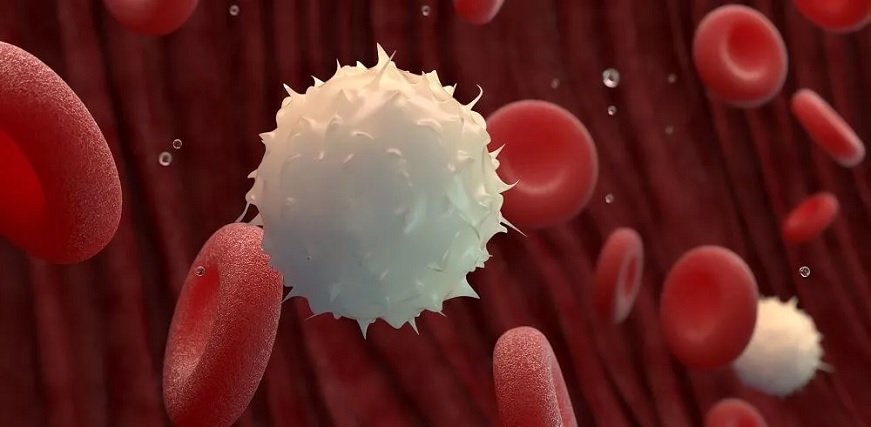
A high WBC count means that the number of white blood cells is above the laboratory's reference range. White blood cells help the body fight infections. A high WBC count can happen due to infection, inflammation, stress, some medicines or other health conditions.
High WBC may be seen with:
- Infections
- Inflammation
- Allergic reactions
- Physical stress or injury
- Some medicines
- Some blood disorders
A high WBC count does not by itself confirm an infection. Other symptoms and tests may be needed.
What Does a Low WBC Count Mean?
A low WBC count means that the number of white blood cells is below the laboratory's reference range. White blood cells help protect the body from infections. A low count can happen for different reasons, including some medicines, infections or conditions affecting the bone marrow or immune system.
Possible reasons include:
- Some infections
- Certain medicines
- Immune system conditions
- Bone marrow problems
- Some medical treatments
The cause of a low WBC count should be checked by a doctor.
What Does Haemoglobin Mean in a CBC Test?
Haemoglobin is a protein inside red blood cells. Its main job is to carry oxygen around the body. The haemoglobin value is an important part of a CBC test. A low haemoglobin level can be seen in different types of anaemia, while high levels can have several possible causes.
Low haemoglobin may be linked with:
- Iron deficiency
- Anaemia
- Blood loss
- Low levels of some nutrients
- Certain health conditions
High haemoglobin can also have different causes, so the result should be understood with other CBC values and health information.
What Does RBC Mean in a CBC Test?
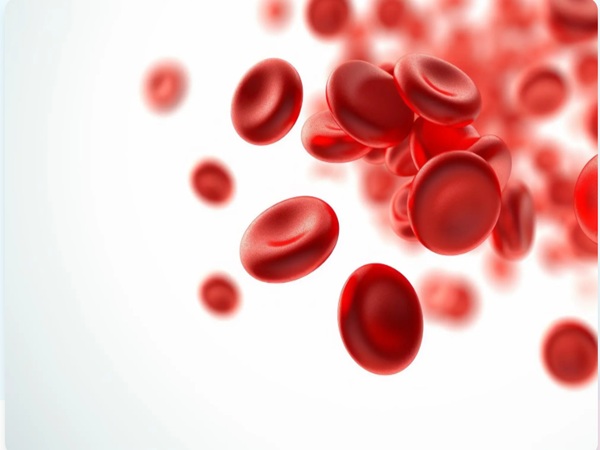
RBC means Red Blood Cell. RBCs carry oxygen from the lungs to different parts of the body. The RBC count tells you how many red blood cells are present in your blood. Doctors may look at RBC along with haemoglobin, haematocrit and other CBC values.
The RBC result may be affected by:
- Age
- Sex
- Dehydration
- Blood loss
- Some health conditions
- Other factors
RBC should not be interpreted alone. Other blood values help give a clearer picture.
What Does Platelet Count Mean in a CBC Test?
Platelets are small blood components that help your body form clots and stop bleeding. The platelet count tells you how many platelets are present in your blood. A low or high platelet count can have many causes, so the result should be checked along with your symptoms and other CBC values.
A commonly used adult platelet range is around 150,000–400,000 platelets/µL, but the laboratory range may differ.
Low platelets may increase bleeding risk, while high platelets can occur for several different reasons.
What Is MCV in a CBC Test?
MCV means Mean Corpuscular Volume. It tells you the average size of your red blood cells. MCV is useful when doctors are trying to understand different types of anaemia. It is usually checked along with haemoglobin and other red blood cell measurements.
A commonly used MCV range is around 79–95 fL, but the reference range can vary between laboratories.
- Low MCV: Red blood cells are smaller than usual.
- Normal MCV: Red blood cells are within the usual size range.
- High MCV: Red blood cells are larger than usual.
How to Read a CBC Test Report?
To read a CBC report, first check each test value against the reference range printed next to it. Look at haemoglobin, WBC, RBC, platelets and other values together. Do not worry about one slightly high or low number without understanding the full report.
Check these values:
- Haemoglobin
- RBC
- WBC
- Platelets
- Haematocrit
- MCV
- MCH
- MCHC
Your doctor can explain what the complete pattern means for you.
Is Fasting Required for a CBC Test?
Usually, fasting is not required for a CBC test alone. You can normally eat and drink as usual before the test. However, if your doctor has ordered other blood tests along with the CBC, those tests may require fasting.
Before your blood test:
- Follow your doctor's instructions.
- Tell the lab about any special instructions you have received.
- If other tests are included, ask whether fasting is needed.
How Is a CBC Test Done?
A CBC test is done using a small blood sample. A healthcare professional usually takes blood from a vein in your arm and places it into a collection tube. The process normally takes only a few minutes. You may feel a small prick when the needle enters or leaves the skin.
The basic steps are:
- A healthcare professional cleans the skin.
- A small needle is placed into a vein.
- Blood is collected into a tube.
- The sample is sent to the laboratory.
- The CBC report is prepared.
You may have slight pain or a small bruise after blood collection.
Can a CBC Test Detect Infection?
A CBC test can show changes in your white blood cell count that may happen during an infection. However, a CBC cannot confirm an infection by itself. Doctors use your symptoms, medical history and sometimes other tests to find the actual cause.
For example:
- High WBC: May occur during some infections.
- Low WBC: Can also occur with certain infections.
- Other CBC values may provide additional information.
A CBC is a useful part of the evaluation, but it is not a complete infection test.
Can a CBC Test Detect Anaemia?
Yes, a CBC can provide important information that may suggest anaemia. Haemoglobin, RBC, haematocrit and red blood cell indices are commonly reviewed when checking for anaemia. However, a CBC does not always identify the exact cause of anaemia.
Depending on the results, a doctor may suggest other tests, such as tests for:
- Iron
- Vitamin B12
- Folate
- Blood loss
- Other possible causes
Low haemoglobin is one important finding, but the complete report matters.
Does a CBC Test Need Special Preparation?
A CBC test usually does not need special preparation. You normally do not need to fast when CBC is the only test being done. However, preparation can be different if your doctor has ordered other blood tests at the same time.
Before the test:
- Follow the instructions given by your doctor or lab.
- Tell your healthcare provider about medicines you take.
- Ask if fasting is needed when multiple tests are booked.
When Should You Get a CBC Test?
A CBC may be recommended during a routine health checkup or when you have symptoms that need to be checked. Your doctor may also suggest repeated CBC tests to monitor an existing condition or see how treatment is working.
A CBC may be considered when you have:
- Unusual tiredness or weakness
- Fever
- Pale skin
- Unusual bleeding
- Frequent illness
- Other symptoms that need evaluation
The right time for testing depends on your symptoms and doctor's advice.
What Is the Difference Between CBC and CBC With Differential?
A basic CBC checks the number and features of your main blood cells. A CBC with differential also gives more detail about the different types of white blood cells, such as neutrophils, lymphocytes, monocytes, eosinophils and basophils.
CBC: Gives the main blood count.
CBC with differential: Gives the CBC plus details about different types of WBCs.
Your doctor may choose one based on your symptoms and the information needed.
Max Lab: How Can We Help?
Max Lab makes it easy to book your CBC test and get your blood sample collected conveniently. You can choose a suitable test option and check the available sample collection services. A CBC report can help you understand important blood values when reviewed with your doctor.
With Max Lab, you can:
- Book a CBC test
- Check test details before booking
- Get convenient sample collection options
- Receive your CBC test report
- Check important CBC blood values
- Get your test done from the comfort of your home, where home collection is available
Always discuss abnormal CBC results with your doctor before taking any treatment.
Frequently Asked Questions About CBC Test
1. What is the full form of CBC?
CBC stands for Complete Blood Count. It is a blood test that checks red blood cells, white blood cells, platelets, haemoglobin and other blood values.
2. What is a CBC test used for?
A CBC test is used to check blood cell levels and may help identify changes linked with anaemia, infection and other blood-related conditions.
3. What is the normal CBC range?
There is no single normal CBC range for everyone. The range depends on the test, age, sex and laboratory. Always check the reference range on your report.
4. What is the normal WBC count?
A commonly used adult WBC range is about 4,500–11,000 cells/µL. The normal range may be different in your laboratory.
5. What is the normal platelet count?
A commonly used adult platelet range is about 150,000–400,000/µL. Your laboratory may use a slightly different reference range.
6. What does high WBC mean?
High WBC can happen due to an infection, inflammation, allergy, stress, medicines or other conditions. A high WBC count alone cannot identify the exact cause.
7. What does low WBC mean?
Low WBC means there are fewer white blood cells than the laboratory's reference range. It can have several causes, including some infections, medicines and immune or bone marrow conditions.
8. What does low haemoglobin mean?
Low haemoglobin can be seen in anaemia, iron deficiency, blood loss and other conditions. Your doctor may suggest more tests to find the cause.
9. Is fasting required for a CBC test?
Usually, no. A CBC alone generally does not require fasting. If other blood tests are done at the same time, fasting may be required.
10. Can a CBC test detect infection?
A CBC can show changes in WBC levels that may occur during an infection, but CBC alone cannot confirm an infection.
11. Can a CBC test detect anaemia?
Yes. CBC checks haemoglobin, RBC, haematocrit and other red blood cell values that can provide important information about anaemia.
12. How is a CBC test done?
A small blood sample is usually taken from a vein in your arm. The sample is then tested in the laboratory.
13. What does MCV mean in a CBC report?
MCV means Mean Corpuscular Volume. It shows the average size of your red blood cells and can help doctors understand some types of anaemia.
14. What does RBC mean in a CBC test?
RBC means Red Blood Cell. RBCs carry oxygen from your lungs to the rest of your body.
15. What does platelet count mean?
Platelets help your blood form clots and stop bleeding. The platelet count tells you how many platelets are present in your blood.















 To reach our help desk call 7982100200
.png)
Comments