







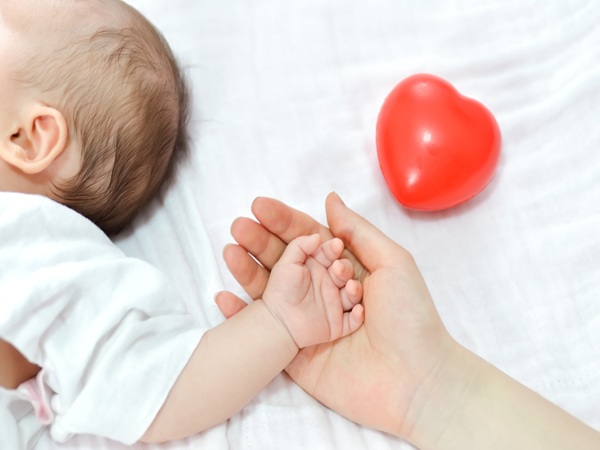

A baby born before 37 completed weeks of pregnancy is considered premature. Around the world, about one in ten babies is born this early, and India has more such babies than any other country. World Prematurity Day exists to put this in front of people who might otherwise never think about it: parents, families, and the doctors and labs who support them through it.
What Is World Prematurity Day?
World Prematurity Day is marked every year to raise awareness about preterm birth and the care that premature babies and their families need, both in the hospital and in the months and years after they come home. It brings together parent groups, hospitals, neonatal care societies and health bodies such as the World Health Organization (WHO).
Why Is the Date Changing?
World Prematurity Day was traditionally marked on 17 November. WHO had already set 15 November as the date for its own 2025 campaign, while many partners continued to mark 17 November that year, and its 2026 campaign confirms 15 November as the official date going forward. The change avoids a clash with World Cervical Cancer Elimination Day, which also falls on 17 November. Some hospitals and parent groups may still hold events on 17 November as well, especially during this transition, so both dates are worth knowing.
The History Behind World Prematurity Day
The organisation behind the day traces back to 2008, when the European Foundation for the Care of Newborn Infants (EFCNI) and a group of European parent organisations held their first meeting in Rome and chose 17 November as the date. The first World Prematurity Day itself was celebrated the following year, in 2009, and the observance has since grown into a global campaign supported by parent groups, neonatal societies and public health bodies on every continent. EFCNI itself rebranded as the Global Foundation for the Care of Newborn Infants (GFCNI) in 2025. In May 2025, WHO member states formally endorsed World Prematurity Day as an official global health campaign, folding it into WHO's own calendar alongside a wider push to invest in preventing preterm births and in the care of babies born early or small.
This Year's Campaign Slogan
The 2026 campaign slogan is “Small babies, big potential. Invest in follow-up care to protect their future!” It points past the days or weeks a premature baby spends in hospital, to the months and years of follow-up that come after: regular checks on growth, vision, hearing and development, since problems in these areas don't always show up right away and may benefit from earlier assessment and treatment when they're caught early.
How Common Is Preterm Birth, and How Does India Compare?
An estimated 13.4 million babies were born preterm worldwide in 2020, close to one in ten of all births, and preterm birth complications are the leading cause of death in children under five, accounting for more than one in five of all deaths before that age. Globally, preterm birth rates barely changed between 2010 and 2020.
India was estimated to have more preterm births than any other country in 2020, at around 3 million, more than a fifth of the global total. India's preterm birth rate itself, about 13 percent of all births, is lower than Bangladesh's and Pakistan's in the region, but because India has so many births overall, the estimated absolute number is the highest anywhere. How early a baby is born matters for survival: babies born extremely preterm, before 28 weeks, survive far more often in well-resourced hospitals than in settings with limited newborn care.
What Increases the Risk of Preterm Birth?
A number of factors are known to increase the likelihood of preterm birth, including:
-
Infections during pregnancy, including urinary tract infections and infections of the womb
-
High blood pressure in pregnancy, such as pre-eclampsia
-
Diabetes, including diabetes that develops during pregnancy
-
Carrying twins or more
-
A short cervix or a previous preterm birth
-
Adolescent pregnancy, or pregnancy at an older maternal age
-
Smoking, and a very low or very high body weight
Anaemia in pregnancy is also worth a specific mention for Indian readers. In NFHS-5 (2019-21), 52.2 percent of pregnant women aged 15 to 49 in India were classified as anaemic. Several studies have linked anaemia in pregnancy, especially when it's more severe or picked up early, to a higher chance of preterm birth, though this is an observed association rather than proof that treating anaemia on its own prevents it. Either way, anaemia in pregnancy is common in India and treatable, which is one more reason routine antenatal blood tests, including a simple haemoglobin measurement, matter well before any signs of labour appear.
Recognising the Signs of Preterm Labour
Anyone who is pregnant and notices these signs before 37 weeks should call their doctor or go to a hospital straight away, rather than waiting to see if they pass:
-
Regular tightening or contractions of the belly, whether or not they are painful
-
Fluid leaking from the vagina, or the waters breaking
-
Any vaginal bleeding, or a change in vaginal discharge
-
Pelvic pressure, cramping, or a low backache that feels different from usual pregnancy discomfort
-
Reduced or changed baby movements, fever, or feeling very unwell
-
A general sense that something isn't right
Even one of these signs is reason enough to get checked, and if you can't reach your doctor promptly, go to a maternity hospital directly. Catching preterm labour early gives doctors more options to try to delay delivery, or to prepare for a safer early birth if labour can't be stopped.
Can Any Test Predict or Confirm Preterm Labour?
No test can predict every preterm birth. An ultrasound measurement of the cervix's length can help identify increased risk before symptoms appear, particularly in women with a previous spontaneous preterm birth, who may be offered serial scans through the middle of pregnancy for this reason. A fetal fibronectin test, which checks for a protein in vaginal fluid linked to the risk of labour starting soon, has a more selective role, mainly in women who already have symptoms of possible preterm labour, where it can help a doctor judge how urgently to act. Results from either test are interpreted alongside symptoms and the stage of pregnancy, not read on their own.[9] Your obstetrician can explain whether either assessment would help in your specific pregnancy.
What Care and Tests Does a Premature Baby Usually Need?
Once a premature baby is born, the focus shifts to supporting organs and systems that haven't fully matured yet, alongside warmth, feeding support, breast milk when possible, Kangaroo Mother Care (skin-to-skin contact), and respiratory support if needed. Depending on how early the baby was born, care commonly also involves:
-
Blood sugar checks, since premature babies have smaller sugar stores and can develop low blood sugar
-
Bilirubin checks for jaundice, which is more common and can be more serious in premature babies
-
Blood tests, and when clinically indicated, urine or spinal fluid tests, to check for infection, since a premature baby's immune system is still developing
-
An ultrasound of the brain to check for bleeding in babies born very early
-
Continuous monitoring of breathing, heart rate and oxygen levels
-
Ask which newborn blood-spot, hearing and heart screening checks are recommended and available at your hospital.
This is also where the 2026 slogan's emphasis on follow-up care comes in. Babies born very early usually need retinal screening for retinopathy of prematurity, a condition affecting the blood vessels of the retina. Indian guidance recommends the first examination by around 4 weeks after birth, or earlier, at 2 to 3 weeks, for babies born before 28 weeks or weighing under 1,200 grams at birth, with further exams scheduled by the eye team based on what they find. Screening often begins while the baby is still in hospital. If a baby is discharged before the first examination or before screening is complete, parents should leave with a clear appointment date rather than an open-ended plan, since delayed or missed screening can put the baby's vision at risk. Ongoing checks on hearing, growth and development, at the paediatrician's advice, matter in the same way, since not every problem shows up in the first days of life.
What Can Help Lower the Risk?
Not every preterm birth can be prevented, and a family should never feel at fault for one. That said, a few things are known to help:
-
Starting antenatal care early in pregnancy and attending the recommended check-ups
-
Treating infections, including urinary tract infections, and correcting anaemia promptly once found
-
Managing high blood pressure and diabetes in pregnancy as advised
-
Avoiding smoking and tobacco use during pregnancy
-
Spacing pregnancies with enough of a gap between them
Women with a previous spontaneous preterm birth may be offered cervical-length monitoring through the middle of pregnancy. For those in whom this shows a short cervix, usually before 24 weeks, a doctor may discuss vaginal progesterone, which has been shown in trials to reduce the chance of preterm birth in this specific group. A history of preterm birth alone, with a cervix that measures normal, does not automatically mean progesterone will help. Either way, this isn't a treatment to start without specialist assessment.
Supporting Families, Not Just Babies
A premature birth is frightening and often comes without warning, and parents commonly carry guilt that isn't theirs to carry. Most of the time, no single thing anyone did or didn't do caused it. What helps is early antenatal care, prompt attention to warning signs, and, once the baby arrives early, steady support from the hospital's neonatal team and, afterwards, from the follow-up care this year's campaign is asking everyone to invest in.












 To reach our help desk call 7982100200
.png)