









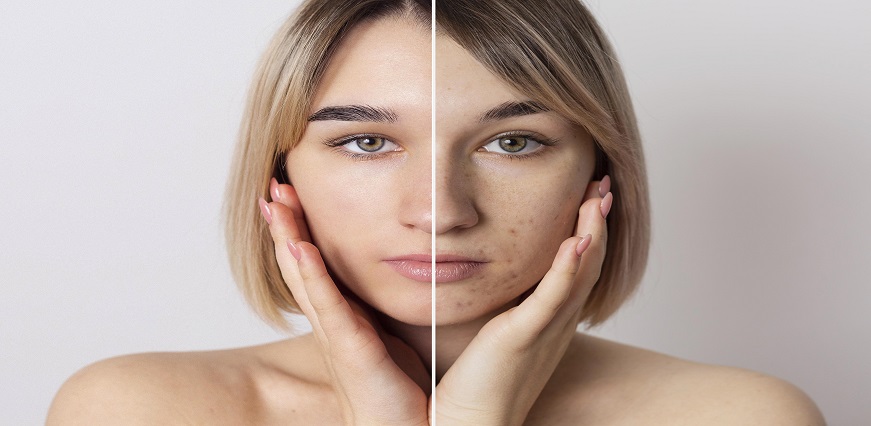
Hyperpigmentation is a common skin condition where patches of skin become darker than the surrounding areas. This darkening occurs when an excess of melanin, the brown pigment that produces normal skin colour, forms deposits in the skin. It can affect people of all skin types, but it may be more prevalent in those with darker skin tones. While hyperpigmentation is most often harmless, it may be indicative of an underlying condition at times. Thus, it is always a good idea to understand the types, causes and risk factors of hyperpigmentation for effective treatment.
Types of Hyperpigmentation
On the basis of symptoms and causes, there are 3 main types of hyperpigmentation:
- Melasma
Melasma is one of the most common types of hyperpigmentation and is characterized by brown to grey-brown patches on the face. It commonly appears on the cheeks, bridge of the nose, forehead, chin, and above the upper lip. Melasma usually occurs due to hormonal changes or sun exposure.
- Post-Inflammatory Hyperpigmentation (PIH)
This type of hyperpigmentation may occur after an injury or inflammation of the skin. Common causes may include acne, eczema, or trauma to the skin. The affected areas appear as dark spots that can range in colour from pink to red, brown, or black.
- Sunspots (Solar Lentigines)
Sunspots, also known as age spots or liver spots, are usually caused by prolonged sun exposure. These small, darkened patches are typically found on areas of the skin that receive the most sun exposure, such as the face, hands, shoulders, and arms.
Causes of Hyperpigmentation
Hyperpigmentation can have many causes, these include:
- Sun Exposure
Sun exposure is considered one of the leading causes of hyperpigmentation. Ultraviolet (UV) rays from the sun stimulate the production of melanin, leading to darkened areas on the skin. Over time, repeated sun exposure may cause hyperpigmentation.
- Hormonal Changes
Hormonal fluctuations, particularly during pregnancy, may lead to melasma. Hormone-related hyperpigmentation may also be caused by the use of birth control pills or hormone replacement therapy.
- Skin Inflammation
Conditions such as acne, eczema, or allergic reactions can cause inflammation that leads to post-inflammatory hyperpigmentation.
- Medications
Certain medications, including chemotherapy drugs, antibiotics, and anti-malarial, may lead to hyperpigmentation as a side effect.
- Genetic Factors
Some individuals may also be genetically predisposed to developing hyperpigmentation. This may become more pronounced after sun exposure.
Symptoms of Hyperpigmentation
The most common symptoms of hyperpigmentation are the appearance of darkened patches or spots on the skin. These spots can vary in size and develop anywhere on the body.
Diagnosis of Hyperpigmentation
Diagnosis of hyperpigmentation typically involves a thorough examination of one’s medical history and a physical examination of the skin. Dermatologists may use tools such as a Wood's lamp, which emits UV light, to examine the extent of the hyperpigmentation. In some cases, a skin biopsy may be performed to rule out other underlying conditions.
After a thorough examination and diagnosis, a dermatologist will be able to prescribe a treatment that works best for one’s hyperpigmentation.
Treatment of Hyperpigmentation
There are various options for hyperpigmentation treatment, depending on the type and severity of the condition:
- Topical Treatments
Topical treatment of hyperpigmentation is a popular and non-invasive method. Creams containing ingredients like hydroquinone, retinoids, kojic acid, and vitamin C may be prescribed to help lighten dark patches.
- Chemical Peels
These involve the application of a chemical solution to the skin, which causes the top layer to peel off, revealing lighter, evenly toned skin underneath. Chemical peel is an effective treatment method for dark skin hyperpigmentation.
- Laser Therapy
Laser treatments can target and break down melanin deposits in the skin. This method is particularly focused on hyperpigmentation removal and is considered effective for sunspots and post-inflammatory hyperpigmentation.
- Microdermabrasion
This minimally invasive procedure involves exfoliating the outer layer of the skin to improve the appearance of hyperpigmentation. It can help with improving skin texture, reducing photo-ageing, sun damage, melasma, and scars, such as acne scars.
- Home Remedies for Hyperpigmentation
Home remedies for hyperpigmentation, such as applying aloe vera, green tea extract, and turmeric, may help reduce hyperpigmentation, however, one should be consistent.
Hyperpigmentation Prevention
Preventing hyperpigmentation involves adopting habits and using products that protect the skin from factors that can trigger or worsen pigmentation. Here are some effective strategies for hyperpigmentation prevention:
- Use Sunscreen
Apply a broad-spectrum sunscreen with an SPF of at least 30 every day, even on cloudy days and during winter. Reapply every two hours and after swimming or sweating.
- Wear Protective Clothing
Use wide-brimmed hats, sunglasses, and long-sleeved clothing to shield your skin from direct sunlight.
- Seek Shade
Stay in the shade, especially between 10 a.m. and 4 p.m. when the sun's rays are the strongest.
- Avoid Picking or Scratching
Picking at acne, bug bites, or other skin lesions can cause inflammation, leading to post-inflammatory hyperpigmentation. Keeping hands away from the face and treating skin conditions promptly can minimise damage.
Hyperpigmentation is a common condition that can be managed with the right diagnosis and treatment. In case of any dark spots on the skin, it is always a good idea to consult one’s dermatologist to determine the best hyperpigmentation treatment for one’s skin type and condition.















 To reach our help desk call 7982100200
.png)