






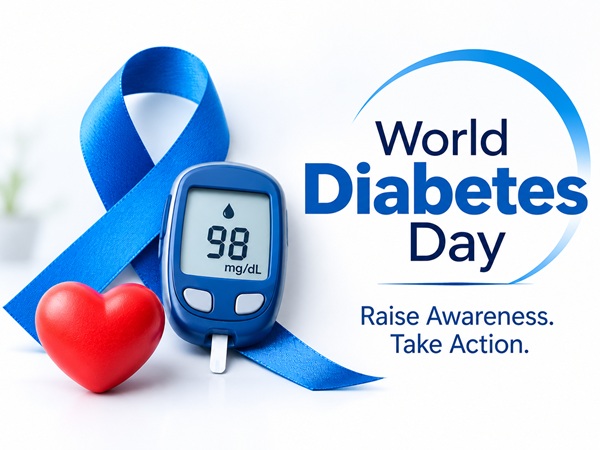

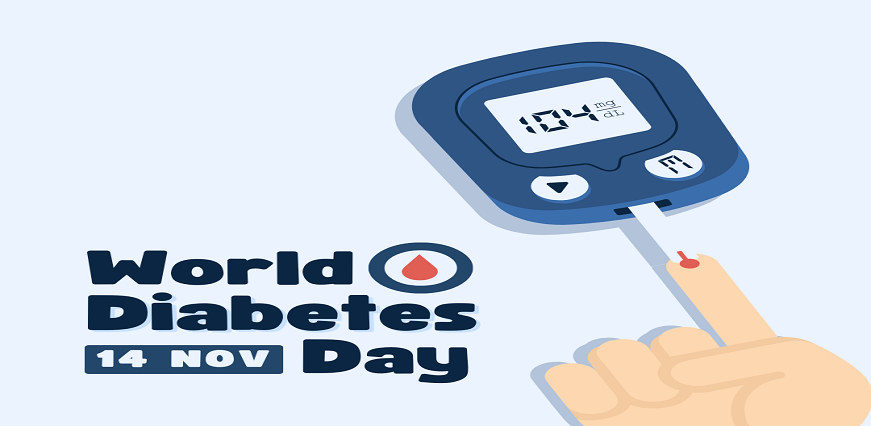
The theme of World Diabetes Day 2026, marked on 14 November, is "Early Action on Diabetes". The idea behind it is simple: diabetes that is found early and treated is far less likely to cause lasting harm. Yet more than four in ten people with diabetes worldwide don't know they have it.
For most of us, early action means two things: knowing the warning signs and getting a simple blood test at the right age. Here's what the day means, why it falls on 14 November, what the 2026 theme asks of you and which tests find diabetes early.
What Is World Diabetes Day?
World Diabetes Day is a yearly awareness campaign about diabetes: how to prevent it, how to catch it early and how to live well with it. The International Diabetes Federation (IDF) and the World Health Organization (WHO) started it in 1991, when diabetes was becoming a growing health problem around the world.
It is now the largest diabetes awareness campaign anywhere, reaching more than 100 crore people in over 160 countries. The United Nations made it an official UN day in 2006.
When Is World Diabetes Day and Why 14 November?
World Diabetes Day is observed on 14 November every year. In 2026 that is a Saturday. The date is the birthday of Sir Frederick Banting, who discovered insulin with Charles Best in the early 1920s. Before insulin, type 1 diabetes was fatal. Today insulin keeps millions of people alive, which is why the day is built around his birthday.
A Short History of World Diabetes Day
-
1950: Diabetes associations from several countries come together in Amsterdam to form the International Diabetes Federation.
-
1991: IDF and WHO create World Diabetes Day.
-
2006: The United Nations passes Resolution 61/225, which makes 14 November an official UN day from the following year. The blue circle is introduced as the symbol of diabetes awareness in the same year.
-
2021: Insulin turns 100, and WHO launches the Global Diabetes Compact to improve diabetes prevention and care worldwide.
-
2026: The new two-year theme, "Early Action on Diabetes", begins.
What Is the World Diabetes Day 2026 Theme?
The theme for 2026 is "Early Action on Diabetes". It is the first year of a new two-year theme that also runs through 2027. It has three aims:
-
Finding diabetes earlier
-
Making good diabetes care easier to reach
-
Reducing the stigma around the condition
The numbers explain why. IDF's 2025 Diabetes Atlas estimates that 589 million adults aged 20 to 79 have diabetes worldwide, and roughly 252 million of them haven't been diagnosed. The total is expected to reach 853 million by 2050. Without a diagnosis, people miss out on the care they need, and many find out only after a complication has already set in. WHO's target is for 80% of people with diabetes to be diagnosed by 2030. Early action doesn't end with a test result. It also means regular follow-up, medicines people can afford and support without blame.
Why Does World Diabetes Day Matter in India?
India has one of the largest numbers of people with diabetes in the world. A national ICMR study published in 2023 estimated that about 10.1 crore Indians have diabetes and another 13.6 crore have prediabetes, which means blood sugar that is higher than normal but not yet in the diabetes range. Many families still believe diabetes comes simply from eating too many sweets. It's not that simple. Type 1 diabetes has nothing to do with diet, and its cause isn't known. Type 2 diabetes, the common kind, is linked to being overweight, not being active enough and your genes. So cutting down on sweets helps, but it isn't the whole answer, and people who rarely eat sweets get diabetes too.
Patients often ask when they should start testing. India's national health programme screens adults for diabetes from the age of 30. That is where the programme starts, not a reason to wait. If diabetes runs in your family, you're overweight or you had diabetes during a pregnancy, ask your doctor about testing earlier.
What Are the Early Signs of Diabetes?
The common warning signs are:
-
Feeling very thirsty
-
Passing urine more often than usual
-
Blurred vision
-
Feeling tired all the time
-
Losing weight without trying
Type 2 diabetes can stay silent for years, with symptoms so mild that they go unnoticed. That's the reason to test by age and risk and not wait for symptoms. And if you do notice any of these signs, see a doctor now, whatever your age.
Type 1 diabetes is different. It can come on quickly and at any age, in children as well as adults. If the warning signs come with vomiting, stomach pain, fast or deep breathing, confusion or breath that smells fruity, go to a hospital emergency department straight away. These can be signs of diabetic ketoacidosis (DKA), a life-threatening complication that needs urgent treatment. Left untreated, high blood sugar damages blood vessels and nerves. Over time it can lead to heart attack, stroke, kidney failure, loss of vision and foot amputation.
Which Tests Check for Diabetes?
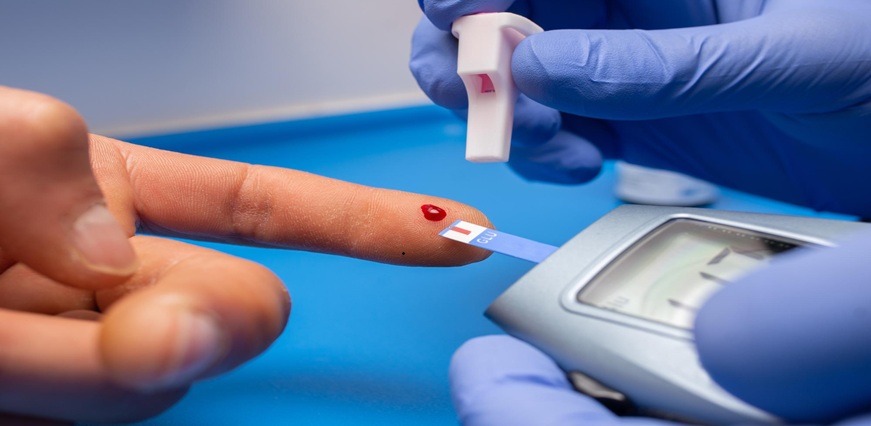
Three blood tests are commonly used. If you have no symptoms, one abnormal result isn't enough. Doctors look for two. That can be the same test repeated on another day, or two different tests, such as fasting sugar and HbA1c, which can be run on the same blood sample. Someone with clear symptoms and a very high sugar may not need a second result.
|
Test |
Normal |
Prediabetes |
Diabetes |
Fasting needed |
|
Fasting blood sugar (fasting plasma glucose) |
Below 100 mg/dL |
100 to 125 mg/dL |
126 mg/dL or higher |
Yes, 8 hours |
|
HbA1c (average sugar over 2 to 3 months) |
Below 5.7% |
5.7 to 6.4% |
6.5% or higher |
No |
|
Oral glucose tolerance test (2 hours after a 75 g glucose drink) |
Below 140 mg/dL |
140 to 199 mg/dL |
200 mg/dL or higher |
Yes, 8 hours |
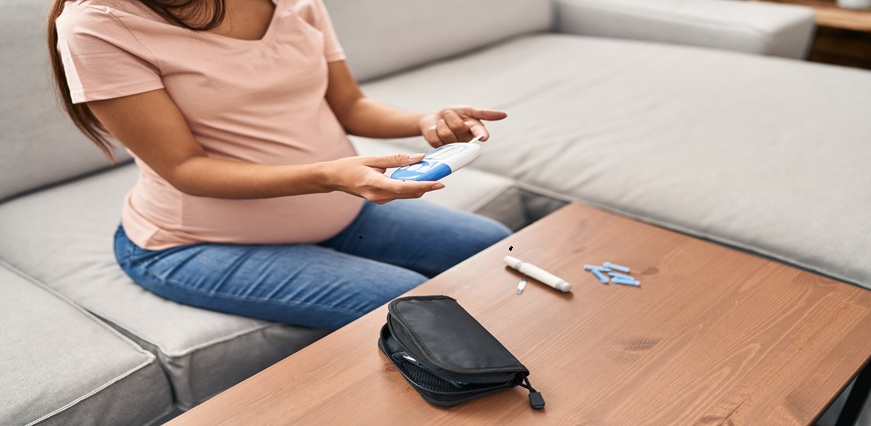
These are the American Diabetes Association's cut-offs for adults who aren't pregnant. Pregnancy uses different cut-offs. The numbers apply to a lab test on a blood sample, not to a reading from a home glucometer. Fasting means nothing to eat or drink except plain water for at least 8 hours. A random blood sugar of 200 mg/dL or higher in someone with clear symptoms also points to diabetes. Whatever your number, ask your doctor to read the result and confirm whether you have diabetes.
Two things are worth knowing about these tests. An HbA1c result can be misleading in some people with iron-deficiency anaemia, thalassaemia or a haemoglobin variant, depending on the condition and the method the lab uses. If your HbA1c doesn't fit with your sugar readings, your doctor may rely on the glucose tests. Many labs in India also run a post-meal sugar test (PPBS), taken 2 hours after a meal. Doctors use it mainly to track how well diabetes is controlled, and the diagnosis itself rests on the tests in the table.
How Can You Lower Your Risk of Type 2 Diabetes?
Type 2 diabetes can often be prevented or delayed [8]. These steps help the most:
-
If you're overweight, aim to lose 5 to 7% of your weight. For someone who weighs 80 kg, that is about 4 to 5.5 kg.
-
Move for at least 30 minutes a day, five days a week. Brisk walking counts.
-
Eat smaller portions and cut back on white rice, maida, sweets and sugary drinks.
-
Don't use tobacco in any form.
-
Get tested on time. If you're found at the prediabetes stage, the same steps lower your chance of going on to diabetes and can delay it.
These steps don't apply to type 1 diabetes, which has no known way of being prevented.
How Can You Take Part in World Diabetes Day?
You don't need to organise an event to take part. Any of these counts:
-
Get your own blood sugar tested, and take a parent or sibling along.
-
Join or organise a walk, a screening camp or a health talk at your workplace, school or housing society.
-
Wear blue or share the blue circle, the global symbol for diabetes awareness.
-
Share information only from reliable sources such as WHO, IDF or your own doctor.
-
Support someone who lives with diabetes without judging what they eat.
World Diabetes Day lasts one day, but early action matters all year. Know the signs, start testing from 30 or earlier if you're at risk, and act on the result. Your doctor can tell you which test you need, and Max Lab can help with the blood tests they ask for.








 To reach our help desk call 7982100200
.png)