









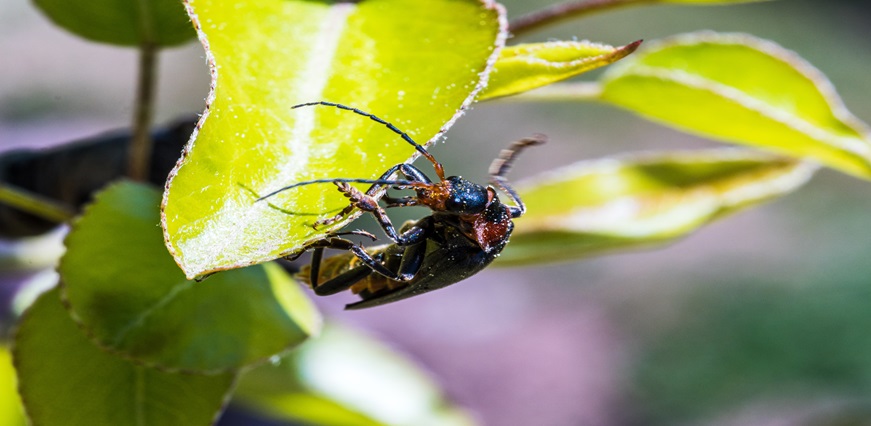
Chagas disease, also known as American trypanosomiasis, is a tropical disease that is caused by the parasite Trypanosoma cruzi. Often referred to as “kissing bugs”, these blood-sucking insects transmit the chagas disease through their bite onto animals and humans. After feeding, the bugs defecate near the bite site, and the parasite enters the body through the wound or mucous membranes. Chagas disease is endemic in many rural areas of Mexico, Southern America, which is the native place of the triatomine bugs but has also been reported in Central America and other parts of the world due to increased travel and migration. It can cause both sudden and long-term symptoms, with some people being infected for a long time without showing any sign of a parasite infection. If left untreated, it may lead to complications affecting the heart or the intestinal tract.
Types of Chagas Disease
Chagas disease is categorized into two main types based on the progression and severity of symptoms. These types include:
- Acute Chagas Disease
Acute Chagas disease occurs immediately after infection and can last for a few weeks to months. It is often asymptomatic or presents with mild, non-specific symptoms. In its acute phase, Chagas disease is easily curable. If it is not promptly tended to, there may be chances of a chronic infection.
- Chronic Chagas Disease
In its chronic phase, the Chagas disease can manifest years or decades after the initial infection and may affect the heart, bowels or brain.
Causes of Chagas Disease
Chagas disease is caused by infection with the parasite Trypanosoma cruzi which lives inside the triatomine bugs. The primary factors leading to this infection include:
- Triatomine Bug Bites
Also known as "kissing bugs," these insects bite humans and animals to feed on their blood, often around the face. After feeding, the bugs defecate near the bite site, and the parasite enters the body through the open wound. This is the most common cause of the disease.
- Congenital Transmission
Infected pregnant women may transmit the parasite to their unborn children. This vertical transmission occurs during pregnancy or delivery.
- Blood Transfusions
Chagas disease may also be caused by transfusion of blood from an infected donor. However, all blood products are screened for the presence of this parasite.
- Organ Transplants
Transplantation of organs from infected donors to uninfected recipients may also result in transmission. This is why all organ donors are routinely screened to prevent this.
Symptoms of Chagas Disease
The symptoms of Chagas disease vary depending on whether the infection is in the acute or chronic phase. Recognizing the signs of a parasite infection early can significantly improve the prognosis.
Symptoms and Signs of Acute Phase
The acute phase of Chagas disease includes symptoms such as:
- Fever
- Fatigue
- Swelling at the infection site (chagoma)
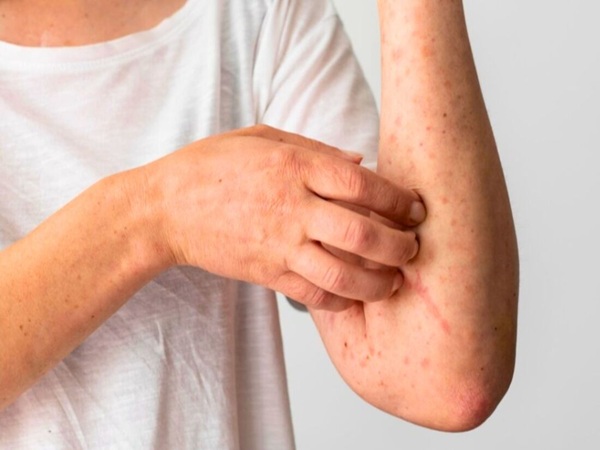
- Rash
- Loss of appetite
- Enlarged liver or spleen
- Swollen lymph nodes
- A characteristic sign of acute Chagas disease is Romaña's sign, which is swelling of the eyelid on the side of the face near the bite wound (if the parasite has entered through the eyes).
Signs and Symptoms of Chronic Phase
The symptoms of chronic Chagas disease may start years after the initial infection. They include:
- Chest pain
- Heart palpitations
- Shortness of breath
- Difficulty eating
- Difficulty passing stool
- Dizziness
- Fainting
- Fatigue
Diagnosis of Chagas Disease
Accurate diagnosis of Chagas disease is essential for effective treatment. The diagnosis involves several methods, depending on the phase of the disease. During the acute phase, direct detection of the parasite is possible, through techniques such as microscopy which involves examining blood smears for the presence of the parasite, or through detecting the parasite DNA in the blood samples. On the other hand, in the chronic phase, the parasite is not usually present in the bloodstream at a detectable level, so diagnosis relies on certain specialised tests to identify antibodies.
Treatment of Chagas Disease
Chagas disease treatments vary depending on the stage of the disease and the patient's overall health. Early intervention can prevent progression and improve quality of life.
In the acute phase, antiparasitic medications such as beznidazole can effectively eliminate the parasite. Treatment in the chronic phase majorly focuses on managing symptoms and complications. For those without significant symptoms, antiparasitic treatment may still be beneficial, especially if one is younger. For symptomatic patients, treatment may include medications for heart complications, and arrhythmias. If one develops gastrointestinal issues, then medications and dietary changes may be prescribed.
Prevention
Prevention is always better than cure, and there are a few things that one can do in order to prevent catching chagas disease. Here are prevention methods, especially for those who live or are travelling to areas of transmission:
- Use insecticide around the house or where you are staying
- Keep your surroundings clean
- Use nets around beds to keep the insects away
- Only eat what is clean and cooked in a hygienic kitchen.
When it comes to Chagas disease or any other health concern, it is crucial to understand its nature, the symptoms it presents and the factors that may cause it. By staying vigilant, one can not only help prevent the spread of this infection but also promote timely intervention and more effective treatment outcomes for those affected.
















 To reach our help desk call 7982100200
.png)