









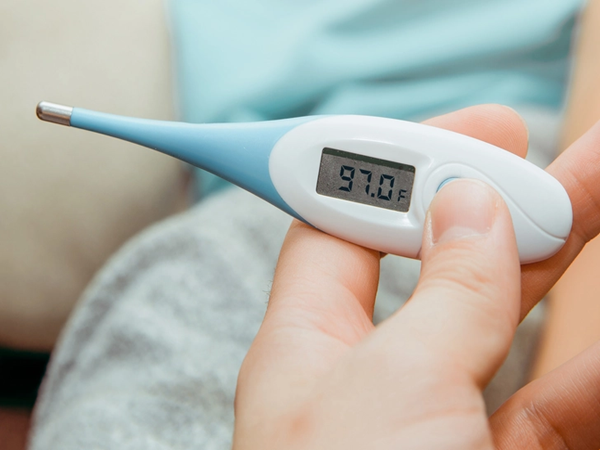
Intermittent fever can occur for many reasons, including infections and certain inflammatory or other health conditions. While some infections, such as malaria, may cause recurring fever patterns, intermittent fever does not necessarily mean you have malaria. Identifying the underlying cause usually requires a combination of symptoms, medical history, physical examination and, when necessary, laboratory tests.
What Is Intermittent Fever?
Intermittent fever is a type of fever in which body temperature rises for some time and then returns to normal. After a period without fever, the temperature may rise again. The fever pattern can be different for each person and may depend on the underlying cause.
In simple words:
Fever comes → temperature rises → fever goes down → temperature becomes normal → fever may come again.
Intermittent fever is not a disease by itself. It can be a sign of an infection or another health problem.
What Are the Symptoms of Intermittent Fever?
The main sign of intermittent fever is that the fever comes and goes instead of staying continuously. Other symptoms may appear along with the fever. These symptoms can depend on what is causing the fever and how your body reacts to it.
Common symptoms may include:
- Fever that comes and goes
- Chills or shivering
- Sweating
- Headache
- Body pain
- Weakness or tiredness
- Loss of appetite
- Feeling uncomfortable or restless
- Nausea in some cases
Important: These symptoms can also happen with many other illnesses. Symptoms alone cannot confirm the cause of intermittent fever.
What Causes Intermittent Fever?
Intermittent fever can happen because of different infections or health conditions. Viral and bacterial infections may cause fever. Some infections, such as malaria, can cause fever to follow a particular pattern. Other health problems can also sometimes lead to repeated fever.
Possible causes include:
- Viral infections
- Bacterial infections
- Malaria and some other parasitic infections
- Other infections in the body
- Some inflammatory conditions
- Certain medicines or their effects
The exact cause can only be understood after looking at your symptoms, medical history and, when needed, test results.
Is Intermittent Fever a Sign of Malaria?
Yes, malaria can cause a fever that comes and goes, but not every intermittent fever is caused by malaria. Some people with malaria may experience chills, followed by fever and then sweating. The timing and pattern can vary depending on the type of malaria.
If you have repeated fever along with chills, shivering, sweating or severe weakness, speak to a doctor. A malaria test may be advised based on your symptoms and risk.
What Are the Types of Intermittent Fever?
Intermittent fever can be described by looking at how often the fever returns and how long the fever-free period lasts. Some medical terms describe fever patterns based on the approximate time between fever episodes. However, the fever pattern alone cannot tell which disease is causing it.
Some terms used to describe fever patterns include:
- Quotidian: Fever may occur approximately every 24 hours.
- Tertian: Fever may follow a pattern of about every 48 hours.
- Quartan: Fever may follow a pattern of about every 72 hours.
These terms describe a fever pattern, not a final diagnosis. Doctors may need other information and tests to identify the actual cause.
What Is the Difference Between Intermittent Fever and Continuous Fever?
In intermittent fever, the body temperature may become normal between fever episodes. In continuous fever, the temperature remains elevated for a longer period. However, fever patterns can change during an illness, so it is not safe to identify a disease only by looking at the temperature pattern.
|
Intermittent Fever |
Continuous Fever |
|
Fever comes and goes |
Fever stays elevated for longer |
|
Temperature may become normal between episodes |
Temperature may not return to normal quickly |
|
Can have many causes |
Can also have many causes |
|
Testing may be needed |
Testing may be needed |
Which Tests Are Done for Intermittent Fever?
The tests needed for intermittent fever depend on your symptoms, age, medical history and possible cause. There is no single test that is suitable for everyone. A doctor may suggest blood tests or other tests to look for an infection or another possible cause.
Depending on the situation, a doctor may recommend:
- CBC Test: Helps check the levels and condition of different blood cells.
- Malaria Test: Helps detect malaria infection.
- Dengue Test: May be advised when dengue is suspected.
- CRP Test: Can help identify inflammation in the body.
- Urine Test: May be recommended when a urinary infection is suspected.
Do not choose tests only by yourself. A doctor can suggest the right tests based on your symptoms.
What Should You Do at Home During Intermittent Fever?
Rest and enough fluids are important when you have a fever. Drink water regularly and eat light, nutritious food if you can. Measuring your temperature with a thermometer and noting when the fever starts and goes away can also be useful.
You can:
- Get enough rest.
- Drink water and other suitable fluids.
- Eat light and nutritious meals.
- Record your temperature.
- Wear comfortable clothing.
- Take medicines only as advised by your doctor.
Do not start antibiotics on your own. Antibiotics do not work against viral infections and should only be taken when prescribed by a healthcare professional.
When Should You See a Doctor for Intermittent Fever?
You should speak to a doctor if the fever keeps coming back, lasts for several days or occurs with other concerning symptoms. Children, older adults and people with certain medical conditions may need special attention when they develop a fever.
Seek medical advice promptly if you have:
- Very high fever
- Trouble breathing
- Fainting or severe weakness
- Repeated vomiting
- Severe headache or stiff neck
- Seizures
- Signs of dehydration
- Fever that keeps returning
Do not ignore a fever that is getting worse or is associated with serious symptoms.
How Long Does Intermittent Fever Last?
There is no fixed duration for intermittent fever. How long it lasts depends on the underlying cause. A mild infection may improve in a short time, while some infections may need specific treatment.
If your fever keeps coming back, do not simply wait for it to disappear. Talk to a doctor and get the recommended tests if needed.
Is Intermittent Fever Dangerous?
Not every case of intermittent fever is dangerous, but repeated fever should not be ignored. It may happen because of a mild infection, but it can also be linked to infections that need medical treatment.
Pay attention to other symptoms and seek medical advice if the fever continues, returns repeatedly or becomes more severe.
How Can You Prevent Intermittent Fever?
You cannot prevent every cause of fever, but simple habits can reduce the risk of some infections. Keeping your hands clean, drinking safe water, eating properly cooked food and protecting yourself from mosquitoes can help reduce the risk of certain infections.
Try to:
- Wash your hands regularly with soap.
- Drink clean and safe water.
- Keep food covered.
- Protect yourself from mosquito bites.
- Avoid stagnant water around your home.
- Maintain good personal hygiene.
- Follow your doctor's advice when you are unwell.
How Can Max Lab Help With Intermittent Fever?
Getting the right test at the right time can help doctors understand the possible cause of repeated fever. Max Lab offers a range of blood tests and health tests that may be recommended depending on your symptoms and doctor's advice.
You can check the available tests and, where offered, choose Home Sample Collection for added convenience.
If you have a fever that keeps coming back, do not self-medicate or take antibiotics without medical advice. Speak to a healthcare professional and get the recommended tests to understand the cause and decide the next step.
Conclusion
Intermittent fever is a pattern in which fever comes and goes, with the body temperature potentially returning to normal between episodes. It can have several causes, including viral and bacterial infections, malaria and other health conditions. Because the fever pattern alone cannot identify the cause, appropriate medical evaluation and testing may be needed.
Stay hydrated, get adequate rest and monitor your temperature. Most importantly, do not ignore fever that keeps returning or is accompanied by serious symptoms. Consult a healthcare professional for an appropriate evaluation and treatment plan.


















 To reach our help desk call 7982100200
.png)