







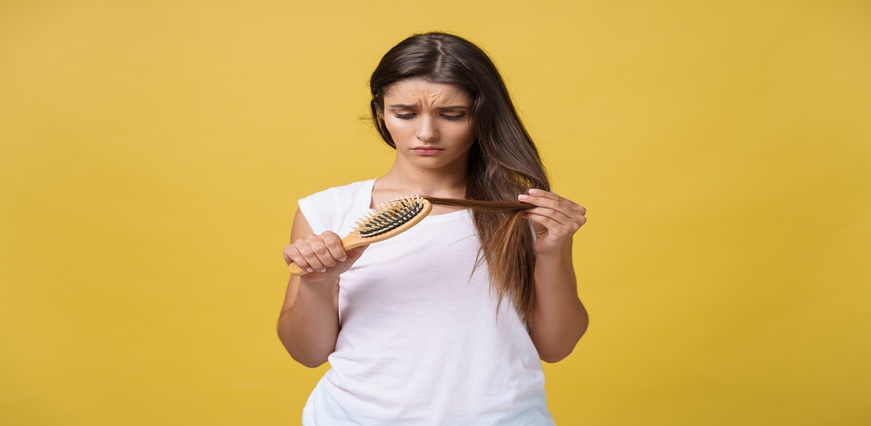
Hair naturally grows, rests, and sheds as part of its normal cycle. Losing a few strands every day is normal, but noticeable thinning, a widening hair part, bald patches, or a receding hairline can be signs that something is disrupting this cycle. Before looking for ways to control hair fall, it is important to understand the possible triggers. The causes can differ from person to person, which is why a treatment that works for one individual may not work for another.
What is Hair Fall?
An average person naturally sheds around 50 to 100 strands of hair each day. This is not considered hair fall clinically. The concern begins when hair fall exceeds this limit. Along with this, there is visible thinning of hair, slow or zero hair regrowth, a widening parting, and a receding hairline. In medical terms, excessive hair loss is called alopecia. It is a general term used for several conditions, each with different causes, progression patterns, and treatment options.
Understanding why this shedding occurs requires a closer look at how your scalp functions on a biological level. Each hair follows its own growth cycle, which determines when it grows, rests, and eventually sheds.
What Causes Hair Fall?
Knowing the causes of hair fall can make it easier to identify the right approach. Some of the most common hair fall causes include:
Genetics
Family history is one of the most common reasons for gradual thinning. Androgenetic alopecia, often called pattern hair loss, can affect both men and women. Hair fall in men commonly appears as a receding hairline or thinning around the crown, while hair fall in women is often noticed as overall thinning or a widening part.
Age
Hair growth naturally changes with age. Hair follicles may become smaller and produce thinner strands, while the growth phase may become shorter. The scalp can also produce less natural oil, leaving hair more prone to dryness and breakage.
Hormonal Imbalances
Changes in hormone levels can affect the hair growth cycle. Pregnancy, childbirth, menopause, thyroid problems, and PCOS may cause increased shedding. After childbirth, for example, falling estrogen levels can trigger noticeable shedding a few months after delivery.
Stress
Physical or emotional stress can push more hairs into the resting phase of the growth cycle. This condition, known as telogen effluvium, may cause hair shedding several weeks or months after a stressful event. Hair fall due to stress is usually temporary when the underlying trigger is addressed.
Nutritional Deficiency
Hair needs adequate protein, iron, zinc, vitamin D, and other nutrients to grow properly. Restrictive diets or poor nutrition can increase the risk of shedding. Hair fall due to vitamin deficiency should be addressed by identifying and correcting the specific deficiency rather than taking supplements without guidance.
Medications
Some medicines can cause increased shedding as a side effect. Depending on the medication, hair loss may begin suddenly or gradually. If shedding starts after beginning a new medicine, speak with your doctor rather than stopping the medication on your own.
Scalp Condition
Dandruff, psoriasis, infections, and other scalp conditions can affect the scalp and contribute to shedding or breakage. Don't ignore itching, redness, scaling, swelling, or painful bumps.
Excessive Hairstyling
Frequent heat styling, chemical treatments, extensions, and tightly pulled hairstyles can weaken hair and cause breakage. Repeated tension can also lead to traction alopecia, which may become permanent if the damage continues.
How to Control Hair Fall Naturally?
If you are wondering how to control hair fall, start with simple changes that support your scalp and overall health.
Eat a Balanced Diet
Hair is largely made of protein, so include adequate protein through eggs, dairy, legumes, fish, and other suitable sources. Iron-rich foods such as lentils and spinach can also support healthy hair growth. Nuts, seeds, fatty fish, fruits, and vegetables provide other nutrients needed for healthy follicles.
Manage Stress
Regular exercise, meditation, yoga, relaxation techniques, and sufficient sleep can help reduce the effects of prolonged stress. If stress is contributing to shedding, addressing the cause is more useful than relying only on hair products.
Follow a Gentle Hair Care Routine
Use a mild shampoo suited to your scalp and avoid aggressive brushing, especially when hair is wet. Pat your hair dry instead of rubbing it vigorously with a towel. Reduce frequent use of straighteners, curling irons, and high-heat dryers.
Keep Your Scalp Healthy
Regular washing helps remove excess oil, sweat, dead skin, and product buildup. If you have dandruff or another scalp problem, treat it early. A healthy scalp creates a better environment for normal hair growth.
Try Scalp Massage
Gentle scalp massage can be included in your routine and may help you relax while caring for the scalp. Coconut, almond, or argan oil can be used if they suit your hair and scalp. However, oils should not be considered a guaranteed treatment for hair loss.
Foods That May Help Reduce Hair Fall
A balanced diet can provide many of the nutrients needed for stronger hair. These foods are part of healthy hair tips, but no single food can stop hair loss on its own. Useful choices include:
-
Spinach: Provides iron and vitamins that support normal hair and scalp function.
-
Eggs and dairy: Good sources of protein and other nutrients important for hair structure.
-
Fatty fish: Provides omega-3 fatty acids and protein.
-
Berries: Rich in vitamin C and antioxidants.
-
Amla: A source of vitamin C and commonly included in Indian diets.
-
Sweet potatoes and carrots: Provide beta-carotene, which the body converts to vitamin A.
-
Walnuts and almonds: Provide vitamin E, healthy fats, and other nutrients.
-
Avocados: Contain healthy fats and vitamin E.
-
Yoghurt: Provides protein and other nutrients that can complement a balanced diet.
Hair Care Tips to Prevent Hair Fall
To better control hair fall, avoid tight hairstyles, repeated chemical treatments, excessive heat, and rough handling. Do not smoke, and limit excessive alcohol consumption. Maintain a balanced diet, sleep well, manage stress, and keep your scalp clean. Natural remedies for hair fall may be useful as part of a healthy routine, but they should not replace medical treatment when a specific condition is causing the problem.
How is Hair Loss Diagnosed?
A doctor may ask about your diet, medications, family history, recent illness, stress, and hair care habits. A physical examination can help identify the pattern and severity of shedding. Depending on the situation, hair loss diagnosis may involve blood tests to check for underlying conditions or nutritional deficiencies. A pull test can assess active shedding, while scalp examination, biopsy, or microscopic examination may be recommended when the cause is unclear.
When Should You See a Doctor for Hair Fall?
See a dermatologist or qualified healthcare professional if you experience persistent excessive hair fall, rapidly worsening thinning, sudden bald patches, or a receding hairline that continues despite basic care. You should also seek medical advice if hair loss occurs with irregular periods, acne, unexplained weight changes, scalp redness or pain, significant itching or scaling, or after starting a new medication, undergoing surgery, or recovering from a major illness. Hair fall after pregnancy is often temporary, but persistent shedding that does not improve over time should also be assessed. Finding the cause is the most important step. Once the underlying issue is identified, the right combination of lifestyle changes, scalp care, and medical treatment can help manage shedding and support healthier hair growth.
Conclusion
Hair fall is not a single-cause issue. There are various interacting factors, such as hormones, genetics, nutrition, stress, scalp health, and more, causing the problem. For any effective hair loss management plan, it is important to understand the specific type and stage of hair loss. With timely diagnosis, care, and evidence-based treatments, most people experience significant improvements.














 To reach our help desk call 7982100200
.png)