








Fatty liver disease is a common liver condition associated with diet, obesity and other health problems such as diabetes and high cholesterol. This disease develops when excess fat accumulates in the liver and usually has no obvious symptoms. Because of this, many patients are diagnosed during a routine examination. Luckily, a change in lifestyle can improve this condition, and in some cases even cure it. In this article, I will review the essentials of fatty liver disease and provide you with ways to improve your liver function.
What Is Fatty Liver Disease?
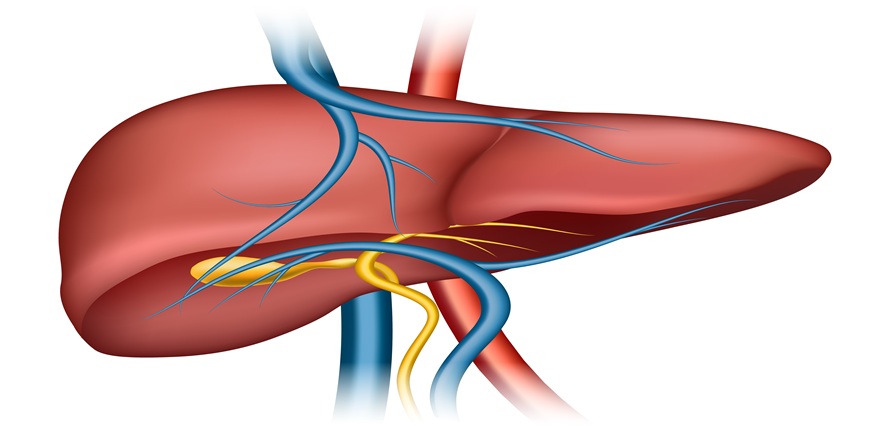
Fatty liver disease occurs when excess fat accumulates in the liver. It can be associated with factors such as obesity, diabetes, high cholesterol and unhealthy lifestyle habits. In its early stages, it may not cause noticeable symptoms, making regular health check-ups important for early detection and management.
What are the Types of Fatty Liver Disease?
-
Metabolic dysfunction-associated steatotic liver disease (MASLD): This is the most common form of fatty liver disease and is often associated with obesity, Type 2 diabetes and abnormal cholesterol or triglyceride levels. It was previously known as non-alcoholic fatty liver disease (NAFLD).
-
Metabolic dysfunction-associated steatohepatitis (MASH): MASH is a more advanced form of MASLD in which excess fat accumulation is accompanied by inflammation and liver cell damage. If left unmanaged, it may progress to scarring or other liver complications.
-
Metabolic dysfunction and alcohol-associated liver disease (MetALD): This condition occurs when metabolic risk factors are present alongside alcohol consumption, contributing to fat accumulation and inflammation in the liver.
-
Alcohol-associated liver disease (ALD): This type develops due to excessive or prolonged alcohol consumption, which can cause fat buildup and, over time, lead to inflammation and liver damage.
Although these types have different contributing factors, they all involve the accumulation of excess fat in the liver.
What Causes Fatty Liver Disease?
Fatty liver disease develops when excess fat accumulates in liver cells, a condition known as steatosis. Several lifestyle, metabolic, and alcohol-related factors can contribute to this buildup.
-
Obesity and Excess Body Weight: Being overweight, particularly with excess abdominal fat, can increase the amount of fat stored in the liver. This makes obesity one of the most common causes of fatty liver and can contribute to metabolic dysfunction.
-
Insulin Resistance and Type 2 Diabetes: When the body does not respond effectively to insulin, blood sugar and fat metabolism can be affected. This can encourage excess fat to accumulate in liver cells, increasing the risk of fatty liver disease.
-
High Cholesterol and Triglycerides: Elevated cholesterol and triglyceride levels can contribute to excess fat storage in the liver. Over time, this accumulation may affect normal liver function and contribute to fatty liver disease.
-
Unhealthy Diet: A diet high in processed foods, added sugars, refined carbohydrates and unhealthy fats can increase overall calorie and fat intake. When the body receives more energy than it requires, excess fat may accumulate in the liver.
-
Lack of Physical Activity: A sedentary lifestyle can affect metabolism and reduce insulin sensitivity, making it easier for fat to accumulate in the body and liver. Regular physical activity plays an important role in maintaining metabolic and liver health.
-
Rapid Weight Loss and Malnutrition: Sudden or extreme weight loss can change how the body processes fat. Rapid fat breakdown may increase the amount of fat reaching the liver, potentially contributing to steatosis.
-
Excessive Alcohol Consumption: Alcohol can interfere with the liver's ability to process fats efficiently. Continued excessive consumption may lead to fat accumulation, inflammation and progressive liver damage.
-
Certain Medications and Other Factors: Some medications can affect liver function and fat metabolism. Liver infections and genetic factors may also increase susceptibility to fatty liver, particularly when combined with other metabolic or lifestyle-related risk factors.
What are the Early Symptoms of Fatty Liver Disease?
Fatty liver disease may not cause noticeable symptoms initially. As the condition progresses, however, certain signs may develop and indicate the need for medical evaluation and timely management. Here are some of the early symptoms of fatty liver disease.
-
Fatigue and weakness
-
Discomfort or pain in the upper right abdomen
-
Unexplained weight loss
-
Loss of appetite
Signs of advanced disease:
-
Abdominal swelling or fluid buildup (ascites)
-
Yellowing of the skin and eyes (jaundice)
-
Dark urine and pale stools
-
Swelling in the legs and ankles
Fatty Liver Disease Diet: Foods to Eat and Avoid
A balanced fatty liver disease diet focuses on nutrient-rich, minimally processed foods while limiting foods that may contribute to weight gain, high blood sugar, and fat accumulation in the liver. These choices may also support liver health tips, focused on long-term dietary habits.
Foods to Eat:
-
Leafy green vegetables
Include spinach and other leafy greens in meals. They provide fibre and beneficial plant compounds that may support liver health and help reduce the risk associated with liver fat accumulation.
- Beans, lentils and soy
Legumes such as chickpeas, lentils, peas and soybeans provide plant-based protein and fibre. They may also support healthy blood glucose and triglyceride levels, which are important when managing steatosis.
- Fatty fish
Salmon, sardines, tuna and trout contain omega-3 fatty acids. Including these fish in a balanced diet may help reduce liver fat and triglyceride levels.
- Whole grains and nuts
Oatmeal, other whole grains and nuts can provide fibre, healthy fats and other nutrients. Replacing refined foods with these options can support a nutrient-dense eating pattern.
- Foods containing unsaturated fats
Consider sources such as avocados, olive oil, nuts and fatty fish instead of foods high in saturated fats. Garlic, sunflower seeds and coffee may also be included as part of a balanced diet.
Foods to Avoid or Limit
-
Alcohol:
Alcohol can contribute to liver fat accumulation and other liver problems. People with alcoholic fatty liver disease should discuss alcohol consumption with a healthcare professional.
- Foods with added sugar
Limit sweets, sugary drinks, soft drinks, biscuits and other foods high in added sugar, as excessive sugar intake can contribute to increased fat accumulation in the liver.
- Fried foods
Fried foods are often high in calories and unhealthy fats. Limiting them can help support weight management and a healthier overall dietary pattern.
- Foods high in salt
Excessive salt intake should be limited. Choose fresh, minimally processed foods more often and avoid regularly consuming highly salted or processed options.
- Red and processed meat
Beef, pork and highly processed meats can contain high amounts of saturated fat and sodium. Consider limiting these foods and choosing lean or plant-based protein sources more frequently.
How to Prevent Fatty Liver Disease Naturally
Making consistent lifestyle changes can help reduce the risk of fatty liver disease and support overall liver function. The following liver health tips can be incorporated into your daily routine:
-
Maintain a healthy weight: Excess body weight, particularly around the abdomen, can increase the risk of fat accumulation in the liver. Gradual and sustainable weight management can support better liver health.
-
Follow a balanced diet: Choose vegetables, fruits, whole grains, lean proteins and healthy fats while limiting processed foods, added sugars and foods high in saturated fat. A balanced fatty liver disease diet can help manage factors associated with liver fat accumulation.
-
Exercise regularly: Staying physically active can improve insulin sensitivity, support a healthy body weight, and reduce fat stored in the liver. Aim for consistent moderate physical activity as part of your routine.
-
Limit alcohol consumption: Excessive alcohol intake can contribute to liver damage and increase the risk of alcoholic fatty liver disease. Limiting or avoiding alcohol can help protect liver health.
-
Manage existing health conditions: Conditions such as diabetes, high cholesterol and high blood pressure can increase the risk of fatty liver. Keeping these conditions under control through medical guidance can support overall liver health.
-
Avoid unnecessary medications and supplements: Some medicines and supplements can affect liver function. Take medications only as recommended by a healthcare professional and discuss supplements before using them regularly.
How Is Fatty Liver Disease Diagnosed?
Diagnosing fatty liver disease generally involves reviewing medical history, assessing risk factors and conducting tests to identify excess fat or liver damage. Common diagnostic methods include:
-
Medical history and physical examination: Doctors may review factors such as weight, alcohol consumption, diabetes, cholesterol levels and other health conditions that may increase the risk of liver problems.
-
Blood tests: Liver function tests can help identify elevated liver enzymes and other abnormalities that may indicate liver inflammation or damage.
-
Imaging tests: Ultrasound, CT scans or MRI may be used to detect excess fat in the liver and assess its condition.
-
FibroScan: This non-invasive test can help measure liver stiffness and estimate the amount of fat present in the liver, providing useful information about possible fibrosis.
-
Liver biopsy: In certain cases, a biopsy may be recommended to examine liver tissue and determine the extent of inflammation or damage.
Conclusion
Fatty liver disease can often be managed through timely diagnosis and consistent lifestyle changes. Maintaining a healthy weight, eating a balanced diet, staying physically active and limiting alcohol can support liver function and reduce the risk of complications. Understanding the causes of fatty liver and recognising the early symptoms of fatty liver disease can encourage early medical evaluation. With appropriate guidance and sustainable habits, individuals can take meaningful steps to protect liver health and improve overall wellbeing.















 To reach our help desk call 7982100200
.png)