








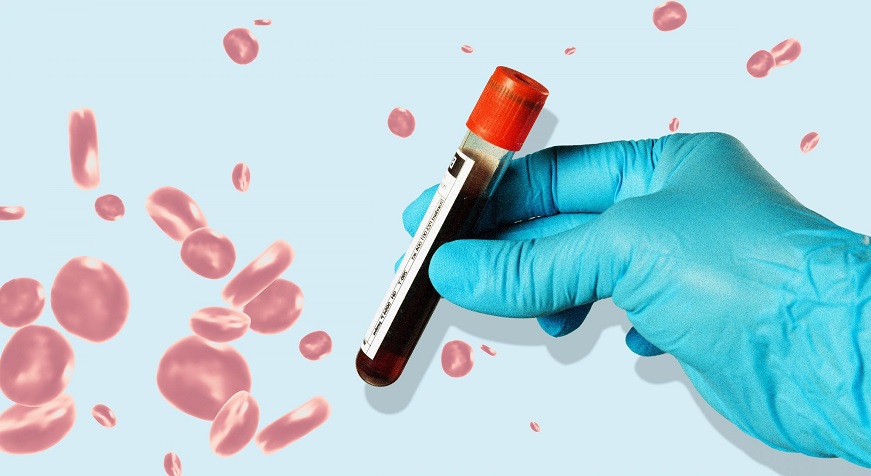
A CBC test (Complete Blood Count test) is a common blood test. It checks the main cells in your blood. These include red blood cells, white blood cells, and platelets. Doctors may suggest a CBC test during a routine health checkup or when a person has certain symptoms.
The test is simple and usually needs only a small blood sample.
But why is a CBC test required? What does it check? When should you get it? Let us understand it in very easy words.
What Is a CBC Test?
A CBC test checks the number and some important features of different blood cells. It mainly looks at RBCs, WBCs, haemoglobin, haematocrit, and platelets. These values help doctors understand how well the blood is carrying oxygen, fighting infections, and helping the body stop bleeding.
In simple words, a CBC test gives a quick picture of your blood health.
Why Is CBC Test Required?
A CBC test is required to check for common blood-related problems and to understand changes in the body. It can help doctors look for conditions such as anaemia, infection, inflammation, and some blood disorders. It may also be advised during routine health checks or when symptoms need further evaluation.
The test does not diagnose every disease by itself. Doctors usually look at CBC results along with symptoms, medical history, and other tests.
What Does a CBC Blood Test Check?
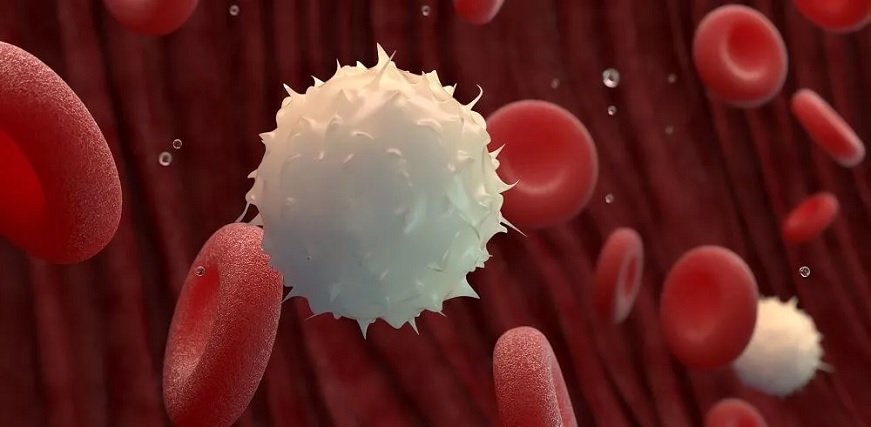
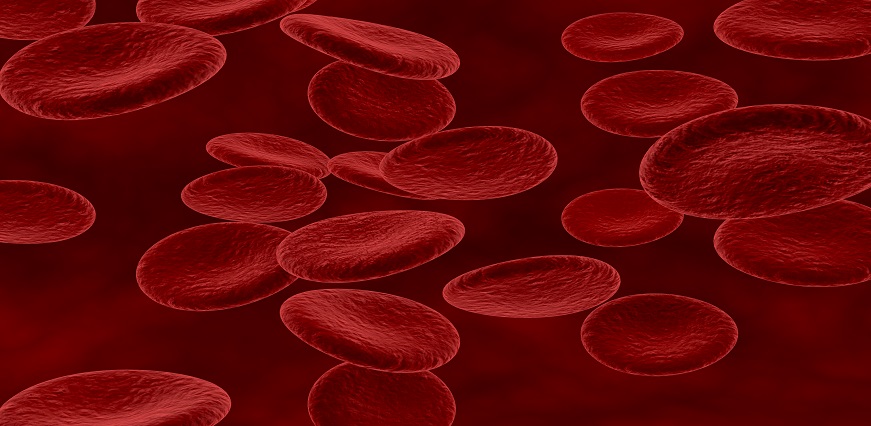
A CBC blood test checks several parts of your blood. Red blood cells carry oxygen, white blood cells help fight infections, and platelets help control bleeding. The test also checks haemoglobin and other measurements related to red blood cells.
These results help doctors understand whether your blood counts are within the expected range.
Main things checked in a CBC test:
| CBC Parameter | What It Shows |
|---|---|
| Haemoglobin (Hb) | Helps carry oxygen in the body |
| Red Blood Cells (RBC) | Carry oxygen to body tissues |
| White Blood Cells (WBC) | Help fight infections |
| Platelets | Help blood clot |
| Haematocrit (HCT) | Shows the amount of blood made up of RBCs |
| MCV | Shows the average size of red blood cells |
| MCH | Shows the average amount of haemoglobin in an RBC |
| MCHC | Shows the concentration of haemoglobin in RBCs |
Why Do Doctors Recommend a CBC Test?
Doctors may recommend a CBC test for many reasons. It can be part of a routine health check or may be advised when someone has symptoms such as weakness, tiredness, fever, frequent infections, unusual bleeding, or pale skin.
A CBC can give the doctor useful information about the blood and help decide whether more tests are needed.
CBC Test for Anaemia
A CBC test is often used when anaemia is suspected. Low haemoglobin or changes in red blood cell measurements may point towards anaemia. Anaemia can sometimes cause tiredness, weakness, dizziness, pale skin, or shortness of breath.
If the CBC results suggest anaemia, the doctor may recommend other tests to find the cause.
Can CBC Test Detect Infection?
A CBC test can provide clues about an infection. White blood cells are an important part of the body's defence system. A higher or lower WBC count may occur with different infections or other health conditions.
However, a CBC test alone cannot always tell what type of infection a person has. Other tests may be needed to find the exact cause.
Is CBC Test Required During Fever?
A doctor may recommend a CBC test when a person has a fever, especially when the cause is not clear or when other symptoms are present. The test checks WBCs, platelets, haemoglobin, and other blood measurements.
The results may provide useful information, but a CBC cannot by itself identify every cause of fever.
CBC Test for Platelet Count
Platelets help the body form blood clots and control bleeding. A CBC test measures the platelet count in the blood.
A platelet count that is too low or too high may need further evaluation. Doctors consider the result along with symptoms, other CBC values, and the person's overall health.
CBC Test for Weakness and Tiredness
Feeling tired can happen for many reasons. A doctor may suggest a CBC test when tiredness continues or occurs with other symptoms. The test can help check haemoglobin and red blood cell measurements, which may provide clues about anaemia.
If the CBC is normal, the doctor may consider other possible causes of tiredness.
CBC Test During a Routine Health Checkup
A CBC may be included in a routine health checkup because it provides useful information about blood cells. It can help identify changes that may need attention, even when a person does not have clear symptoms.
However, not everyone needs a CBC at the same frequency. The need for testing depends on age, health, symptoms, and medical advice.
What Happens During a CBC Test?
A CBC test requires a small blood sample. A healthcare professional usually cleans the skin and collects blood from a vein in the arm using a small needle.
The sample is then sent to a laboratory for testing.
The blood collection usually takes only a few minutes.
You may feel a small pinch when the needle enters the skin. Some people may have mild soreness or a small mark at the collection site.
Do You Need to Fast for a CBC Test?
Usually, fasting is not required for a CBC test alone. You can generally eat and drink normally unless your doctor has asked you to fast because other blood tests are being done at the same time.
If your test includes other investigations, follow the preparation instructions given by your doctor or laboratory.
What Is a Normal CBC Test Range?
There is no single normal CBC range for everyone. CBC values can vary based on age, sex, pregnancy status, laboratory methods, and other factors.
This is why it is better to compare your result with the reference range printed on your laboratory report rather than using a number found online.
A result outside the reference range does not always mean that you have a disease. Your doctor should interpret the result with your symptoms and other information.
What Does a High or Low CBC Result Mean?
A high or low CBC value can happen for many different reasons. For example, changes in WBC count may occur with infections or other conditions, while changes in haemoglobin may be linked to anaemia or other causes.
One abnormal value does not automatically mean something is seriously wrong.
Your doctor may suggest repeat testing or additional tests when required.
How Should You Prepare for a CBC Test?
For a CBC test alone, special preparation is generally not needed. Still, it is useful to:
- Follow the instructions given by your doctor or lab.
- Tell the healthcare professional about medicines or supplements you take.
- Drink enough water unless you have been told to restrict fluids.
- Follow fasting instructions if other tests are being done with CBC.
- Carry your previous reports if your doctor needs to compare results.
When Should You Talk to a Doctor?
You should speak with a doctor if you have symptoms that do not improve or if your blood test report shows an abnormal result.
Do not try to diagnose yourself only from a CBC report. Different health conditions can cause similar changes in blood counts. A doctor can understand the result in the right context and suggest further testing if needed.
Key Takeaway: Why Is CBC Test Required?
A CBC test is required because it gives useful information about the major blood cells and haemoglobin levels. It can help doctors evaluate problems such as anaemia, infections, abnormal platelet counts, and some blood disorders.
The test is simple, commonly available, and can be useful during both routine checkups and symptom-based investigations.
Remember: A CBC test is an important blood test, but it is only one part of understanding your health.
How Can Max Lab Help With a CBC Test?
At Max Lab, you can book a CBC test for convenient blood sample collection. Depending on the service available in your location, home sample collection can make the testing process easier.
Before booking, check the test details, preparation requirements, price, and sample collection options. After testing, your CBC report can be reviewed with a doctor, especially if any result is outside the laboratory's reference range.
Max Lab helps make routine blood testing simple and convenient—from booking the test to sample collection and receiving your report.
















 To reach our help desk call 7982100200
.png)
Comments