






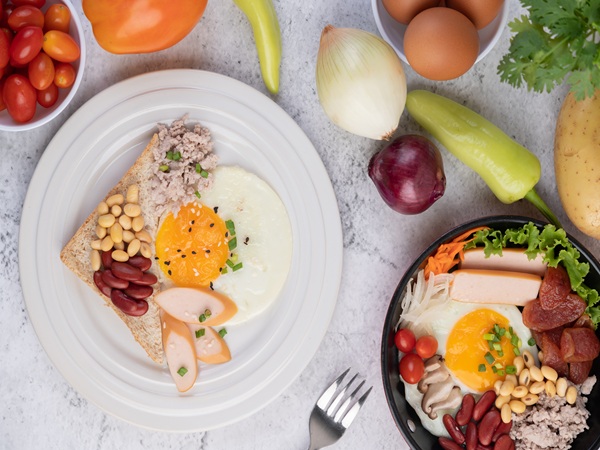
Vitamin B12-rich foods include eggs, milk, curd, cheese, fish, chicken, meat and fortified breakfast cereals. These foods help provide vitamin B12, an essential nutrient that supports healthy red blood cells, nerve function and DNA production. Including B12-rich foods in your daily diet can help maintain healthy vitamin B12 levels and reduce the risk of deficiency.
What Is Vitamin B12 and Why Is It Important?
Vitamin B12, also called cobalamin, is a water-soluble vitamin that helps the body perform several important functions. It supports nerve health, helps produce red blood cells and plays a role in making DNA.
Getting enough vitamin B12 is important for:
-
Maintaining healthy nerves and brain function.
-
Supporting red blood cell production.
-
Helping prevent certain types of anaemia.
-
Supporting normal energy metabolism.
-
Maintaining overall health.
Best Vitamin B12 Rich Foods to Include in Your Diet
Adding different vitamin B12-rich foods to your meals can help meet your daily nutritional needs. Here are some good food sources.
1. Eggs
Eggs are a convenient source of vitamin B12. The yolk contains most of the vitamin B12 found in an egg. You can include boiled eggs, omelettes or scrambled eggs in your diet.
2. Milk and Dairy Products
Milk, curd, yoghurt and cheese provide vitamin B12. They are useful food choices for vegetarians who consume dairy products.
3. Fish
Fish is one of the good natural sources of vitamin B12. Options such as salmon, tuna, sardines and mackerel can help improve your dietary intake.
4. Chicken and Meat
Chicken, mutton and other meats contain vitamin B12. Including these foods in a balanced diet can help provide this essential nutrient.
5. Liver
Animal liver, particularly beef liver, is among the richest natural sources of vitamin B12. However, it should be consumed in appropriate amounts as part of a balanced diet.
6. Fortified Breakfast Cereals
Some breakfast cereals contain added vitamin B12. These can be useful for vegetarians and vegans. Always check the nutrition label to confirm that vitamin B12 has been added.
Indian Foods Rich in Vitamin B12
Many commonly available Indian foods can help provide vitamin B12, especially for people who consume eggs, dairy products and non-vegetarian foods.
Some examples include:
-
Milk: A simple everyday source of vitamin B12.
-
Curd (Dahi): Provides vitamin B12 and can be included with regular meals.
-
Paneer: Contains some vitamin B12, although the amount varies.
-
Eggs: An easy option for breakfast or snacks.
-
Fish: Bangda (Indian mackerel), sardines and other fish provide vitamin B12.
-
Chicken: A useful source of vitamin B12.
-
Mutton: Contains naturally occurring vitamin B12.
These Indian foods can help support your daily vitamin B12 intake when included in a balanced diet.
Which Fruits and Vegetables Are Rich in Vitamin B12?
Fruits and vegetables are important for overall health, but most natural plant foods do not contain vitamin B12.
Bananas, apples, oranges, spinach, broccoli and other vegetables are nutritious, but they are not reliable sources of vitamin B12.
If you follow a vegetarian or vegan diet, look for foods fortified with vitamin B12, such as certain breakfast cereals and fortified nutritional yeast.
How Much Vitamin B12 Do You Need Daily?
The daily vitamin B12 requirement depends on age and life stage.
| Age group | Daily vitamin B12 requirement |
|---|---|
| Children (1–3 years) | 0.9 mcg |
| Children (4–8 years) | 1.2 mcg |
| Children (9–13 years) | 1.8 mcg |
| Adults | 2.4 mcg |
| Pregnant women | 2.6 mcg |
| Breastfeeding women | 2.8 mcg |
These are general recommended daily amounts. Individual requirements may vary depending on health conditions and nutritional needs.
What Are the Symptoms of Vitamin B12 Deficiency?
Low vitamin B12 levels can affect blood cells and the nervous system. Common symptoms may include:
-
Constant tiredness and weakness.
-
Pale skin.
-
Tingling or numbness in hands and feet.
-
Difficulty concentrating.
-
Memory problems.
-
Dizziness.
-
Soreness of the tongue.
These symptoms can have other causes too. A blood test can help identify whether vitamin B12 deficiency is present.
How Can You Improve Vitamin B12 Levels Naturally?
You can support healthy vitamin B12 levels through simple dietary habits:
-
Include eggs, milk, curd and other dairy products if you consume them.
-
Add fish, chicken or meat to your meals if you follow a non-vegetarian diet.
-
Choose breakfast cereals fortified with vitamin B12.
-
Follow a balanced diet with different nutrient-rich foods.
-
If you follow a vegan diet, discuss fortified foods or supplements with your doctor.
-
Get your vitamin B12 levels checked if you have symptoms or are at risk of deficiency.
Food alone may not correct a deficiency in people who have difficulty absorbing vitamin B12. A doctor may recommend supplements or injections depending on the cause and severity.
When Should You Get a Vitamin B12 Test?
Consider discussing a vitamin B12 test with your doctor if you experience persistent tiredness, weakness, tingling sensations or other possible deficiency symptoms.
People who follow strict vegan diets, older adults and individuals with certain digestive conditions may have a higher risk of vitamin B12 deficiency.
A vitamin B12 blood test helps measure the amount of this vitamin in your blood. Book a Vitamin B12 test with Max Lab to understand your vitamin B12 levels and discuss your results with your healthcare provider.
Frequently Asked Questions (FAQs)
1. Which foods are highest in vitamin B12?
Beef liver, clams, oysters, fish, meat, eggs and dairy products are among the natural food sources of vitamin B12. Fortified foods can also provide significant amounts.
2. Which Indian foods are rich in vitamin B12?
Milk, curd, paneer, eggs, fish, chicken and mutton are commonly available Indian foods that provide vitamin B12.
3. Which fruits contain vitamin B12?
Most fruits, including bananas, apples, oranges and mangoes, do not naturally contain vitamin B12. Fortified food products are alternative sources.
4. Are there any vegetables rich in vitamin B12?
Most vegetables do not naturally contain vitamin B12. People following vegetarian or vegan diets should consider fortified foods or supplements after consulting a doctor.
5. Can vegetarians get enough vitamin B12?
Yes, vegetarians who consume milk, curd, cheese and eggs can get vitamin B12 from these foods. Vegans may need fortified foods or supplements to meet their requirements.
6. What are the early signs of vitamin B12 deficiency?
Early signs may include tiredness, weakness, dizziness, pale skin and tingling sensations in the hands and feet.
7. How can I check my vitamin B12 levels?
A vitamin B12 blood test can measure the amount of vitamin B12 in your blood and help identify a deficiency. Your doctor may recommend additional tests depending on your symptoms.
8. Can vitamin B12 deficiency be treated with food?
Mild dietary inadequacy may improve with B12-rich or fortified foods. However, deficiency caused by poor absorption or other medical conditions may require supplements or injections prescribed by a doctor.
Conclusion
Including the best vitamin B12-rich foods in your daily diet can help support healthy nerves, red blood cells and overall well-being. Eggs, milk, curd, fish, chicken and fortified cereals are useful sources. If you experience symptoms of deficiency or follow a diet low in vitamin B12, consider getting your levels checked. A Vitamin B12 test at Max Lab can help you understand your nutritional status.















 To reach our help desk call 7982100200
.png)