









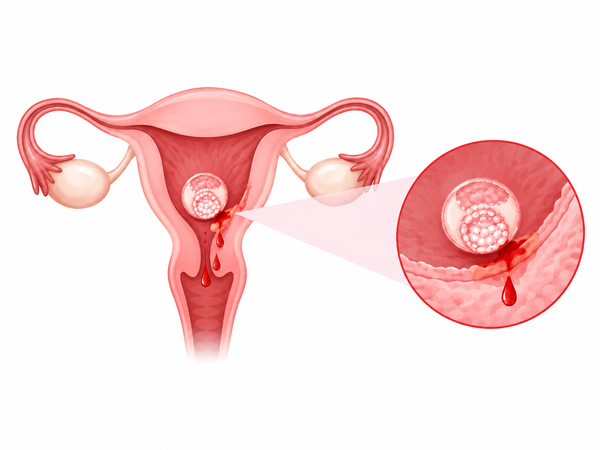
Implantation bleeding is often discussed as one of the possible early signs of pregnancy. Some people notice light spotting around the time their period is due and wonder whether it could be related to implantation or simply the beginning of their menstrual cycle. Knowing what is implantation bleeding, when it may occur, what it looks like, and how it differs from a period can help you understand early pregnancy changes. However, spotting alone cannot confirm pregnancy because there are several possible causes of vaginal bleeding.
What Is Implantation Bleeding?
What is implantation bleeding? Implantation bleeding is the term commonly used for light spotting that may occur around the time a fertilized egg attaches to the uterine lining. Not everyone experiences implantation bleeding. Some people may notice a small amount of pink, brown, or red spotting, while others have no bleeding at all. Implantation bleeding is generally described as being much lighter than a typical menstrual period. It may only be noticeable when wiping or as a small stain on underwear. It is also important to understand that not every episode of bleeding in early pregnancy is implantation bleeding. Spotting can have many causes, so bleeding should be considered alongside other symptoms and, when appropriate, pregnancy testing.
When Does Implantation Bleeding Occur?
When does implantation bleeding occur? Implantation takes place after fertilization, as the developing pregnancy attaches to the uterine lining. If spotting occurs in connection with implantation, it may happen several days after ovulation and around the time a period would normally be expected. Because ovulation does not always happen on exactly the same day each cycle, implantation bleeding timing can vary. This timing can make implantation bleeding particularly confusing. Someone may see light spotting and assume their period is starting, only to discover later that they are pregnant.
Implantation Bleeding Timing: What to Know
Implantation bleeding timing is different from person to person because menstrual cycles and ovulation dates vary. If you track your menstrual cycle, you may be able to estimate when ovulation occurred. However, cycle tracking cannot tell you with certainty whether specific spotting is implantation bleeding. Spotting close to your expected period may also result from normal hormonal changes, ovulation-related spotting, contraception, cervical irritation, or other causes. Therefore, timing can provide context, but it should not be used by itself to confirm pregnancy.
What Are the Symptoms of Implantation Bleeding?
The symptoms of implantation bleeding are usually mild when they occur. Possible characteristics include:
-
Very light vaginal spotting
-
Pink, brown, or light-red discharge
-
A small amount of blood noticed when wiping
-
Mild cramping
-
Spotting that remains light rather than developing into a normal menstrual flow
Some people may experience no other symptoms at all. It is also possible to have early pregnancy without implantation bleeding. Therefore, the absence of spotting does not mean that pregnancy has not occurred.
Causes of Implantation Bleeding
The exact cause of light bleeding around the time of implantation is not fully understood. It is commonly thought to happen when the fertilized egg attaches to the lining of the uterus. This process may disturb tiny blood vessels in the uterine lining and lead to light spotting. However, not all bleeding in early pregnancy is caused by implantation. Other possible causes of early spotting can include:
-
Ovulation-related spotting
-
Changes in the cervix
-
Sexual intercourse, which can sometimes irritate the cervix
-
Use of hormonal birth control
-
Infection
-
Early pregnancy complications
Because there can be several reasons for vaginal bleeding, it is not possible to confirm implantation based on bleeding alone. If the bleeding is heavy, lasts longer than expected, or occurs with severe pain or dizziness, medical advice should be sought.
Implantation Bleeding vs Period
One of the most common questions is about implantation bleeding vs period. Since both can occur around a similar time in the menstrual cycle, distinguishing between them can sometimes be difficult.
|
Feature |
Implantation Bleeding |
Period |
|
Amount |
Usually very light |
Usually heavier |
|
Color |
May be pink, brown, or light red |
Often red or dark red |
|
Flow |
Spotting or very light bleeding |
More consistent menstrual flow |
|
Duration |
Usually brief |
Commonly lasts several days |
|
Clots |
Not typically associated with very light spotting |
Some people may experience clots |
|
Cramping |
May be mild or absent |
Period cramps can range from mild to severe |
|
Pregnancy confirmation |
Cannot confirm pregnancy |
Usually represents menstruation |
These are general differences rather than a diagnostic test. Bleeding patterns vary, and symptoms alone cannot reliably determine whether someone is pregnant.
How Many Day Is Implantation Bleeding?
How many day is implantation bleeding? There is no fixed number of days that applies to everyone.
When implantation-related spotting occurs, it is generally brief and light. Some people may notice only a few spots, while others may notice light spotting for a short period.
If bleeding becomes heavier or continues like your normal menstrual period, it may be more consistent with menstruation or another cause rather than typical implantation spotting.
How Long Does Implantation Bleeding Last?
How long does implantation bleeding last? Implantation-related spotting is generally short-lived. It may be noticed for several hours or for a day or two.
The amount of bleeding is often more useful to consider than simply counting the number of days. Typical implantation spotting is light rather than a flow that requires frequent changes of menstrual products.
If bleeding is prolonged, heavy, painful, or unusual for you, it is better to seek medical advice rather than assuming it is implantation bleeding.
Earliest Signs of Implantation and Pregnancy
People frequently search for the earliest signs of implantation, but implantation itself may not produce noticeable symptoms.
Some early pregnancy symptoms can include:
-
A missed period
-
Breast tenderness or sensitivity
-
Increased urination
-
Changes in appetite
-
Mild cramping
-
Increased sensitivity to certain smells
However, many of these symptoms can also occur before a period because of normal hormonal changes.
The most reliable way to determine whether pregnancy has occurred is a pregnancy test rather than relying on implantation symptoms alone.
Can Implantation Bleeding Confirm Pregnancy?
No. Implantation bleeding cannot confirm pregnancy. Light spotting can occur for several reasons, and some pregnant people do not experience any implantation bleeding. If pregnancy is possible, a home pregnancy test can provide more useful information. Testing very early may result in a negative test because pregnancy hormone levels may not yet be high enough to detect. Following the test manufacturer's instructions and testing at an appropriate time can improve the reliability of the result.
What Color Is Implantation Bleeding?
Implantation-related spotting is often described as pink or brown, although light-red spotting may also occur. Brown discharge generally indicates older blood, while pink or red spotting represents fresher blood. Color alone cannot determine whether bleeding is implantation-related. The amount, timing, duration, and other symptoms should also be considered.
Can You Have Implantation Bleeding Without Other Symptoms?
Yes. If implantation-related spotting occurs, it may happen without noticeable pregnancy symptoms. Early pregnancy symptoms vary significantly between individuals. Some people notice changes soon after conception, while others do not experience noticeable symptoms until later. Not having spotting or other early symptoms does not rule out pregnancy.
What Should You Do If You Notice Implantation-Like Spotting?
If you notice light spotting and pregnancy is possible, you can monitor the bleeding and note its color, amount, and duration. If your period is late, consider taking a pregnancy test. If the test is negative but your period still does not arrive, you may want to repeat the test later according to the test instructions or speak with a healthcare professional. Avoid assuming that every episode of light bleeding is implantation bleeding, especially if the bleeding is unusual for you.
When Should You Contact a Doctor?
Although light spotting can occur for several reasons, certain symptoms require medical attention. Contact a healthcare professional if you experience:
-
Heavy vaginal bleeding
-
Severe or persistent abdominal or pelvic pain
-
Fainting or significant dizziness
-
Severe weakness
-
Bleeding with significant pain when pregnancy is possible
-
Bleeding during a confirmed pregnancy that concerns you
Heavy bleeding or severe pain should not simply be attributed to implantation bleeding.
Conclusion
Implantation bleeding can be confusing because it may occur around the same time as an expected period. Understanding what is implantation bleeding, when does implantation bleeding occur, the symptoms of implantation bleeding, implantation bleeding timing, and implantation bleeding vs period can help you understand what light spotting may mean. If you are wondering how many day is implantation bleeding or how long does implantation bleeding last, remember that experiences can vary and there is no single pattern that confirms implantation. If pregnancy is possible, a pregnancy test is a more reliable way to determine whether you are pregnant. And if bleeding is heavy, persistent, or accompanied by significant pain or other concerning symptoms, seek advice from a healthcare professional.



















 To reach our help desk call 7982100200
.png)