









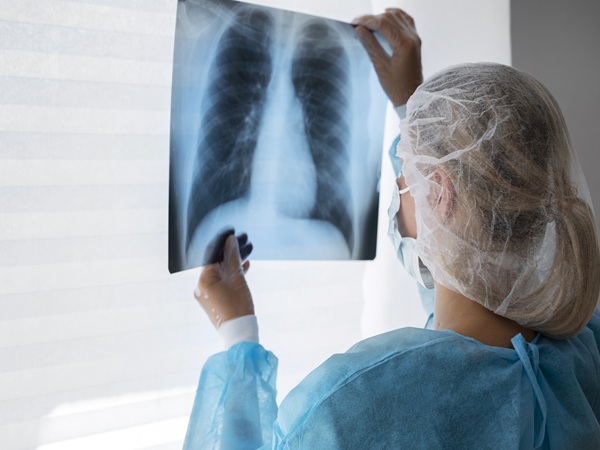

Breathing comfortably depends on the lungs being able to expand and contract freely. Around the lungs are two thin layers of tissue called the pleura, with a small amount of fluid between them that helps the layers move smoothly. When too much fluid collects in this space, it is known as pleural effusion. It can develop because of several different health conditions, ranging from heart and kidney problems to infections, inflammation, or cancer. The symptoms and treatment depend largely on why the fluid has accumulated. Understanding the meaning of pleural effusion, its causes, types, signs, possible complications, and treatment options can help you understand what happens when excess fluid develops around the lungs.
What Is the Meaning of Pleural Effusion?
The meaning of pleural effusion is the abnormal buildup of excess fluid in the pleural space, the area between the membranes surrounding the lungs. A small amount of pleural fluid is normal and helps the lungs move smoothly during breathing. When the amount increases beyond what the body can manage, the fluid may put pressure on the lung and contribute to breathing difficulties. Pleural effusion is not usually considered a disease on its own. Instead, it is often a sign of another underlying condition that needs to be identified.
What Causes Pleural Effusion?
There are many possible pleural effusion causes, and a person may have more than one contributing condition.
Some common causes include:
-
Heart failure
-
Pneumonia and other infections
-
Cancer
-
Liver disease or cirrhosis
-
Inflammatory or autoimmune conditions
-
Pulmonary embolism
-
Chest injury
-
Certain medical treatments or surgeries
The cause can influence the type of fluid that collects and determine which treatment is appropriate.
Why Does Fluid Build Up?
In some cases, changes in pressure or protein levels in the blood cause fluid to move into the pleural space. In other cases, inflammation, infection, cancer, or problems with lymphatic drainage can lead to fluid accumulation. This is why identifying the underlying cause is an important part of managing pleural effusion.
Types of Pleural Effusion
There are different ways to classify a pleural effusion type, but two commonly used categories are transudative and exudative pleural effusions.
Transudative Pleural Effusion
This type is generally associated with changes in pressure or protein balance that cause fluid to move into the pleural space.
Common underlying conditions include:
-
Heart failure
-
Cirrhosis
-
Nephrotic syndrome
Exudative Pleural Effusion
This type is usually related to inflammation, infection, cancer, or problems affecting blood vessels or lymphatic drainage.
Possible causes include:
-
Pneumonia
-
Cancer
-
Inflammatory diseases
-
Some chest injuries or medical conditions
Doctors may examine the pleural fluid to help determine its type and identify the underlying cause.
Pleural Effusion Signs and Symptoms
The pleural effusion signs and symptoms can vary depending on the amount of fluid, how quickly it develops, and what is causing it.
Common symptoms may include:
-
Chest discomfort or pain
-
Difficulty breathing when lying down
-
A feeling of pressure in the chest
Some people may have few or no noticeable symptoms, and the condition may be discovered during an X-ray or other imaging test performed for another reason. If breathing becomes difficult or chest pain is severe or unexplained, medical evaluation should not be delayed.
How Is Pleural Effusion Diagnosed?
Doctors usually begin by asking about symptoms, medical history, and any existing conditions. They may then recommend imaging and other tests.
Common tests include:
-
Chest X-ray
-
Chest ultrasound
-
CT scan
-
Blood tests
-
Thoracentesis
-
Pleural fluid analysis
During thoracentesis, a healthcare professional uses a needle to remove fluid from the pleural space. The fluid can be examined to help determine why it has accumulated. The procedure may also help relieve breathing problems when a significant amount of fluid is present.
How Is Pleural Effusion Treated?
There is no single pleural effusion remedy that works for every person. Treatment depends on the cause, the amount of fluid, symptoms, and the person's overall health.
Treatment may include:
Treating the Underlying Cause
If heart failure is responsible, treatment may focus on managing the heart condition. If an infection is responsible, appropriate antimicrobial treatment may be needed. Other causes, such as cancer or autoimmune disease, require their own specific treatment approaches.
Removing Excess Fluid
When the fluid causes significant symptoms, a doctor may recommend drainage. Thoracentesis is one procedure used to remove pleural fluid. In some situations, a chest tube or another drainage procedure may be necessary.
Other Procedures
Pleural effusions that repeatedly return or are difficult to manage may require additional procedures. The choice depends on the cause and the individual's medical condition.
Is There a Pleural Effusion Home Treatment?
People often search for pleural effusion home treatment, but it is important to understand that home care cannot remove a significant pleural effusion or replace medical treatment. Depending on the underlying condition, a healthcare professional may recommend supportive measures such as:
-
Taking prescribed medicines exactly as directed
-
Following dietary recommendations provided by your doctor
-
Following fluid restrictions if specifically advised
-
Avoiding smoking
-
Getting adequate rest
-
Attending follow-up appointments
-
Monitoring changes in breathing or other symptoms
For example, people with certain conditions may be advised to reduce salt or limit fluids, but these recommendations are not appropriate for everyone. They should be followed only when advised by a healthcare professional. Avoid relying on herbal remedies, self-medication, or home techniques to try to drain the fluid.
What Are the Complications of Pleural Effusion?
The complications of pleural effusion depend on the amount of fluid and its underlying cause.
Possible complications can include:
-
Increasing breathing difficulty
-
Infection of the pleural fluid
-
Empyema, in which pus develops in the pleural space
-
Scarring around the lungs
-
Compression of part of the lung
A large amount of fluid can place pressure on the lung and make breathing more difficult. Infected pleural fluid may require antibiotics and drainage.
When Can Pleural Effusion Become an Emergency?
Seek urgent medical attention if you develop:
-
Severe or rapidly worsening shortness of breath
-
Severe or unexplained chest pain
-
Bluish lips or skin
-
Confusion or extreme weakness
-
Sudden difficulty breathing
Breathing difficulty can have many causes, some of which require immediate treatment.
Can Pleural Effusion Come Back?
Yes. Pleural effusion can return if the underlying condition continues or cannot be fully controlled. For this reason, treatment does not only focus on removing the fluid. Doctors also work to identify and manage the condition responsible for the fluid buildup. Regular follow-up may be recommended to monitor the condition and determine whether additional treatment is needed.
How Can You Reduce the Risk?
Because pleural effusion has many possible causes, there is no single way to prevent every case. However, managing existing health conditions, avoiding smoking, following prescribed treatment, and attending recommended medical check-ups can help reduce the risk associated with some underlying causes.
Conclusion
Pleural effusion refers to excess fluid collecting around the lungs and can occur for many different reasons. Understanding the meaning of pleural effusion, its causes, types, symptoms, and possible complications can help patients understand why medical evaluation is important. There is no universal pleural effusion remedy or home treatment. The right approach depends on identifying and treating the underlying cause and, when necessary, removing excess fluid through an appropriate medical procedure. If you have symptoms such as shortness of breath or chest pain, consult a healthcare professional rather than attempting to treat the condition at home.














 To reach our help desk call 7982100200
.png)