









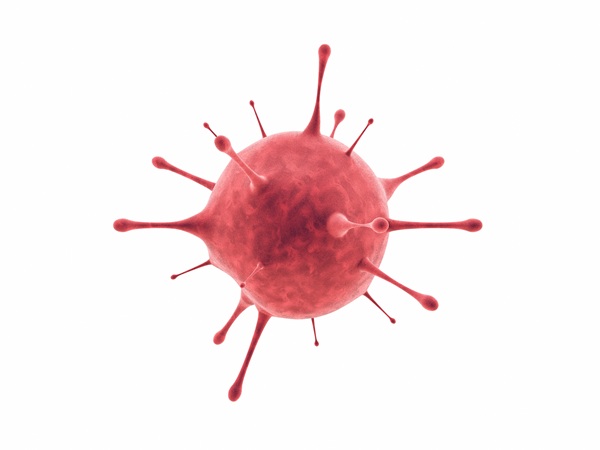
Rotavirus is a highly contagious virus that commonly causes gastroenteritis, an infection of the stomach and intestines. It mainly affects infants and young children, although rotavirus in adults can also occur.
The infection can cause vomiting, watery diarrhoea, stomach pain, and fever. In young children, severe diarrhoea and vomiting can lead to dehydration, which can become serious if not treated promptly.
Learning about what is rotavirus, its symptoms, causes, treatment, and vaccination can help parents and caregivers recognize the infection and take appropriate steps.
What Is Rotavirus?
What is rotavirus? Rotavirus is a virus that infects the digestive system and can cause acute gastroenteritis. It spreads easily from person to person, particularly among young children. The virus can survive on hands and surfaces, making good hand hygiene important for reducing the spread of infection.Rotavirus infection is particularly common in babies and young children because their immune systems are still developing.
Rotavirus Symptoms
The rotavirus symptoms can vary from mild to severe. Common symptoms include:
-
Watery diarrhoea
-
Vomiting
-
Fever
-
Stomach pain or abdominal discomfort
-
Loss of appetite
-
Irritability in young children
-
Dehydration
Vomiting and diarrhoea may occur repeatedly and can cause significant fluid loss.
Signs of Dehydration
Dehydration is one of the main concerns with rotavirus, particularly in infants and young children.
Signs may include:
-
Fewer wet diapers or less frequent urination
-
Dry mouth or tongue
-
Few or no tears when crying
-
Unusual sleepiness or weakness
-
Excessive thirst
-
Sunken eyes
-
In babies, a sunken soft spot on the head
Severe dehydration requires prompt medical attention.
Rotavirus Causes
The rotavirus causes infection when the virus enters the body, usually through the mouth. Rotavirus is highly contagious and can spread through the faecal-oral route. This can happen when microscopic amounts of infected stool reach another person's mouth.
Common ways the virus can spread include:
-
Contact with an infected person
-
Contaminated hands
-
Contaminated food or water
-
Touching contaminated surfaces or objects
-
Poor hand hygiene after using the toilet or changing diapers
The virus can spread easily in households, childcare centres, and other places where young children are in close contact.
Rotavirus Causes Which Disease?
If you are wondering rotavirus causes which disease, the infection primarily causes rotavirus gastroenteritis. Gastroenteritis is inflammation of the stomach and intestines. It commonly causes vomiting and watery diarrhoea and may also cause fever and abdominal discomfort. In children, the biggest concern is fluid and electrolyte loss caused by repeated vomiting and diarrhoea.
How Does Rotavirus Spread?
Rotavirus can spread very easily because only a small amount of virus may be enough to cause infection. An infected person can contaminate their hands after using the toilet or changing a baby's diaper. The virus can then spread to surfaces, objects, food, or another person's hands. A person can become infected when the virus enters their mouth. Good hygiene, including careful handwashing, cleaning contaminated surfaces, and appropriate diaper disposal, can help reduce transmission. However, vaccination is an important way to protect young children against severe rotavirus disease.
Rotavirus in Adults
Rotavirus in adults is possible, although infection is generally more common and more severe in young children.
Adults may develop:
-
Watery diarrhoea
-
Vomiting
-
Fever
-
Abdominal pain
-
Nausea
-
Dehydration
Healthy adults may have mild symptoms or recover without complications. However, older adults and people with weakened immune systems may be at greater risk of severe illness or dehydration. If an adult has persistent vomiting or diarrhoea, difficulty keeping fluids down, blood in the stool, severe abdominal pain, or signs of dehydration, medical attention should be sought.
Rotavirus Treatment
There is no specific medicine that cures rotavirus infection. Rotavirus treatment mainly focuses on preventing dehydration and replacing lost fluids and electrolytes.
1. Oral Rehydration
Oral rehydration solutions (ORS) can help replace fluids and electrolytes lost through diarrhoea and vomiting. For children, give fluids according to medical advice and continue feeding as appropriate.
2. Continue Feeding
Children should generally continue age-appropriate feeding during diarrhoeal illness unless a healthcare professional advises otherwise. Breastfeeding can usually be continued.
3. Monitor for Dehydration
Watch carefully for signs of dehydration, especially in infants and young children.
4. Medical Care When Needed
Severe dehydration may require treatment in a hospital, including intravenous fluids. Antibiotics do not treat rotavirus because it is a viral infection. Medicines to stop diarrhoea or vomiting should not be given to young children unless specifically recommended by a healthcare professional.
What Is the Rotavirus Vaccine?
What is the rotavirus vaccine? The rotavirus vaccine is a vaccine given to babies to help protect them against rotavirus gastroenteritis and its complications, particularly severe diarrhoea and dehydration. Unlike many injected vaccines, rotavirus vaccines are given orally. Vaccination helps reduce the risk of severe rotavirus illness and hospitalization. The exact vaccination schedule and age limits can vary depending on the vaccine and national immunisation recommendations. Parents should follow the vaccination schedule recommended by their child's healthcare professional or local immunisation programme.
Why Is the Rotavirus Vaccine Important?
Rotavirus can cause severe diarrhoea and vomiting in infants and young children. Because babies can become dehydrated quickly, preventing severe infection is important. Vaccination significantly reduces the risk of severe rotavirus disease. It does not prevent every case of diarrhoea or every stomach infection because many other viruses and bacteria can also cause gastroenteritis.
Can Rotavirus Be Prevented?
Vaccination is an important method of preventing severe rotavirus disease in infants. Other measures that can help reduce the spread of infection include:
-
Washing hands thoroughly with soap and water
-
Washing hands after changing diapers or using the toilet
-
Cleaning frequently touched surfaces
-
Properly disposing of diapers
-
Avoiding close contact with people who are sick when possible
-
Following appropriate food and water hygiene
Because rotavirus can spread easily and survive on surfaces, maintaining good hygiene is important even when a child has been vaccinated.
When Should You See a Doctor?
Most children recover from rotavirus with supportive care, but dehydration can become serious.
Seek medical advice promptly if a child:
-
Has very little or no urine
-
Cannot keep fluids down
-
Is unusually sleepy or difficult to wake
-
Has a very dry mouth
-
Has no tears when crying
-
Has persistent vomiting or severe diarrhoea
-
Has blood in the stool
-
Appears severely unwell
Babies, young children, older adults, and people with certain medical conditions may need closer monitoring because they can become dehydrated more quickly.
Conclusion
Rotavirus is a contagious viral infection that commonly causes gastroenteritis in infants and young children. Knowing what is rotavirus, recognizing rotavirus symptoms, understanding the rotavirus causes, and knowing how rotavirus treatment works can help parents and caregivers respond appropriately. Although rotavirus in adults can occur, young children are particularly vulnerable to dehydration caused by vomiting and diarrhoea. The rotavirus vaccine is an important tool for protecting infants from severe rotavirus disease. If a child develops persistent vomiting or diarrhoea, particularly with signs of dehydration, consult a healthcare professional promptly.















 To reach our help desk call 7982100200
.png)