










A high fever temperature is often a sign that the body is responding to an underlying illness or infection. While fever itself is not a disease, it is an important symptom that may indicate the need for medical evaluation, especially if it is persistent or accompanied by severe symptoms.
In adults, a fever temperature of 38°C (100.4°F) or above is generally considered a fever, while a high fever is usually defined as 39°C (102.2°F) or higher. Understanding fever temperature levels, the normal body temperature range, and when fever is dangerous can help you make informed decisions about seeking medical care.
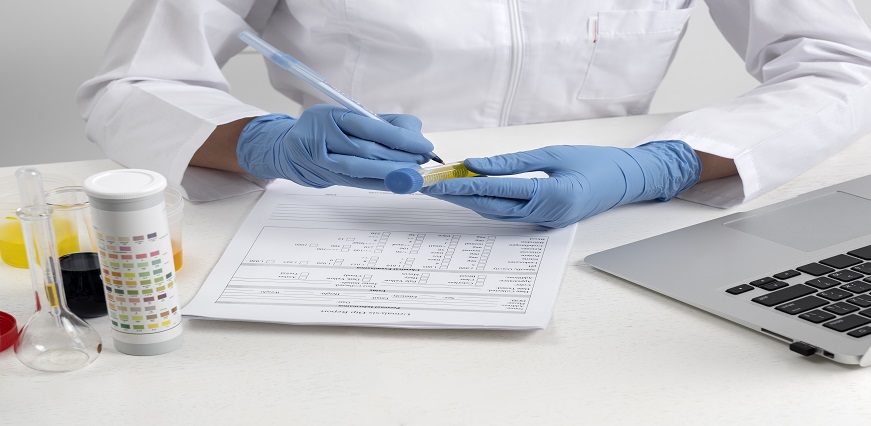
Since many illnesses can cause fever from common viral infections to conditions such as dengue, malaria, typhoid, or urinary tract infections a thermometer reading alone cannot identify the underlying cause. Your doctor may recommend laboratory investigations, along with a physical examination and medical history, to determine the reason for an elevated temperature.
What Is a High Fever
A fever is a temporary increase in body temperature that occurs as part of the body's natural response to illness. In most adults, a temperature of 38°C (100.4°F) or above is considered a fever.
A high fever temperature in adults generally refers to a temperature of 39°C (102.2°F) or higher. A very high fever is usually considered 40°C (104°F) or above and may require prompt medical attention, particularly if it occurs with concerning symptoms.
Many people wonder, "What is a high fever?" The answer depends on several factors, including age, the method used to measure temperature, and any associated symptoms. For this reason, the treating physician evaluates more than just the thermometer reading before making clinical decisions.
What Is the Normal Body Temperature Range
The normal body temperature range varies slightly from person to person. Although 37°C (98.6°F) is widely recognized as the average body temperature, healthy adults can normally have temperatures within a broader range.
|
Body Temperature |
Interpretation |
General Guidance |
|
36.1°C–37.2°C |
Normal body temperature range |
Normal body temperature |
|
37.3°C–37.9°C |
Slightly elevated |
Continue monitoring if unwell |
|
38°C–38.9°C |
Fever |
Monitor symptoms and consult a doctor if fever persists |
|
39°C–39.9°C |
High fever |
Medical evaluation may be needed depending on symptoms |
|
40°C and above |
Very high fever |
Seek prompt medical attention |
Your body temperature may naturally fluctuate throughout the day. Factors that can influence temperature include:
-
Time of day
-
Physical activity
-
Hormonal changes
-
Hot weather
-
Age
-
Method of temperature measurement (oral, ear, forehead, or rectal)
Because of these normal variations, a single reading should always be interpreted along with your symptoms and overall health.
High Fever in Adults: What You Should Know
High fever in adults generally refers to a body temperature of 39°C (102.2°F) or above.
An elevated body temperature fever may occur for many reasons. Fever is commonly associated with infections, but it can also occur in response to inflammatory conditions or other medical situations.
Some people with high fever in adults may experience:
-
Chills
-
Sweating
-
Fatigue
-
Weakness
-
Headache
-
Muscle aches
-
Reduced appetite
However, symptoms vary from person to person. Some individuals may have a relatively high temperature with mild symptoms, while others may feel significantly unwell despite a lower fever.
This highlights why clinical evaluation is important.
High Body Temperature vs. Fever: Is There a Difference
The terms high body temperature, high temperature fever, and fever temperature are often used interchangeably, but they are not always the same.
A high body temperature simply means the body temperature is above a person's normal range. This increase is not always caused by illness.
Temporary increases in body temperature can occur due to:
-
Vigorous exercise
-
Hot or humid weather
-
Heavy clothing
-
Dehydration
-
Warm indoor environments
What Can Cause a Fever
A fever is a symptom rather than a diagnosis. It can occur for many reasons, including infections and certain inflammatory conditions.
Some common causes of fever include:
-
Viral infections
-
Bacterial infections
-
Seasonal flu
-
Dengue
-
Malaria
-
Typhoid
-
Urinary tract infections (UTIs)
-
Inflammatory conditions
Laboratory Tests Your Doctor May Recommend for Fever
Since fever can occur due to a wide range of conditions, a doctor may recommend one or more laboratory tests based on your symptoms, medical history, physical examination, and any recent travel or exposure history.
These investigations provide valuable information that helps assess the possible cause of fever and guide further evaluation.
-
Complete Blood Count (CBC)
A Complete Blood Count (CBC) test is often one of the first investigations advised for persistent or unexplained fever. It measures different components of the blood, including red blood cells, white blood cells, haemoglobin, and platelets.
Changes in white blood cell counts may indicate the body's response to an infection or inflammation, while platelet levels can be important in conditions such as dengue. Although a CBC cannot determine the exact cause of fever on its own, it often serves as an important first-line investigation and may help your doctor decide whether additional tests are required.
-
Dengue Tests
A Dengue Test may be recommended when fever occurs during dengue season or when symptoms suggest a mosquito-borne viral infection.
Depending on the duration of illness, tests such as the NS1 Antigen Test or Dengue IgM and IgG Antibody Tests may be recommended. These investigations help detect markers associated with dengue infection, allowing doctors to correlate the results with your symptoms and clinical findings.
-
Malaria Tests
A Malaria Test may be recommended when there is a history of mosquito exposure, recent travel, or symptoms consistent with malaria.
-
Typhoid Tests
A Typhoid Test may be recommended when fever persists for several days, particularly if it is accompanied by digestive symptoms.
-
Urine Routine Examination & Urine Culture
Urinary tract infections (UTIs) are a common cause of fever, particularly when fever occurs along with burning during urination, frequent urination, or lower abdominal discomfort.
A Urine Routine Examination can identify findings such as white blood cells, bacteria, or other abnormalities, while a Urine Culture helps identify the microorganism responsible for the infection and determine its antibiotic sensitivity when appropriate.
Additional Tests That May Be Recommended
Depending on your symptoms, your doctor may also recommend other investigations, including:
- C-Reactive Protein (CRP) test to assess inflammation.
- Erythrocyte Sedimentation Rate (ESR) test in certain inflammatory conditions.
- Liver Function Test (LFT) if liver involvement is suspected.
- Kidney Function Test (KFT) to evaluate kidney health.
- Blood Culture when a bloodstream infection is suspected.
- Influenza Test, if respiratory viral infections are considered.
The choice of investigations varies from person to person and depends on the overall clinical picture.
Why Timely Laboratory Testing Matters?
When recommended by your doctor, laboratory investigations provide objective information that complements symptoms and physical examination. Test results can help assess blood cell counts, identify markers associated with specific infections, monitor changes during illness, and determine whether further investigations are required.
Because fever has many possible causes, no single test can identify every condition. Laboratory findings are always interpreted together with your medical history, symptoms, and examination.
How to Measure Fever Correctly
Accurate temperature measurement helps ensure reliable readings.
For best results:
-
Use a reliable digital thermometer.
-
Measure your temperature using the same method each time.
-
Record the date, time, and temperature.
-
Note any accompanying symptoms.
-
Share your temperature log with your doctor if advised.
Temperature readings may vary slightly depending on whether they are measured orally, rectally, in the ear, or on the forehead.
When Is Fever Dangerous
Many fevers improve as the underlying illness resolves. However, some situations require prompt medical attention.
Seek immediate medical care if fever is accompanied by:
-
Difficulty breathing
-
Persistent confusion
-
Seizures
-
Severe dehydration
-
Persistent vomiting
-
Loss of consciousness
-
A temperature around 40°C (104°F) or higher
Older adults, infants, pregnant women, and people with weakened immune systems may require earlier medical evaluation depending on their symptoms.
If fever persists for more than two to three days, keeps returning, or is associated with worsening symptoms, consult a healthcare professional.
Conclusion
Understanding high fever temperature can help you recognize when medical evaluation may be needed. While fever is a common symptom, identifying its underlying cause often requires a combination of clinical assessment and appropriate laboratory investigations.
If your doctor recommends diagnostic tests to evaluate persistent or high fever, choosing a trusted pathology laboratory can help ensure timely, reliable, and quality-assured test results.
With an extensive network of diagnostic centres, advanced technology, and accurate reporting, Max Lab supports timely diagnosis, enabling appropriate medical care when it matters most.


















 To reach our help desk call 7982100200
.png)
Comments