










Dengue fever is a mosquito-borne viral infection caused by the dengue virus (DENV). There are four main types of dengue virus, known as dengue serotypes: DENV 1, DENV 2, DENV 3, and DENV 4. Each dengue fever type can cause infection, with symptoms ranging from mild fever to severe complications in some cases. Understanding the different dengue types helps improve awareness, timely diagnosis, and prevention.
What is Dengue Fever
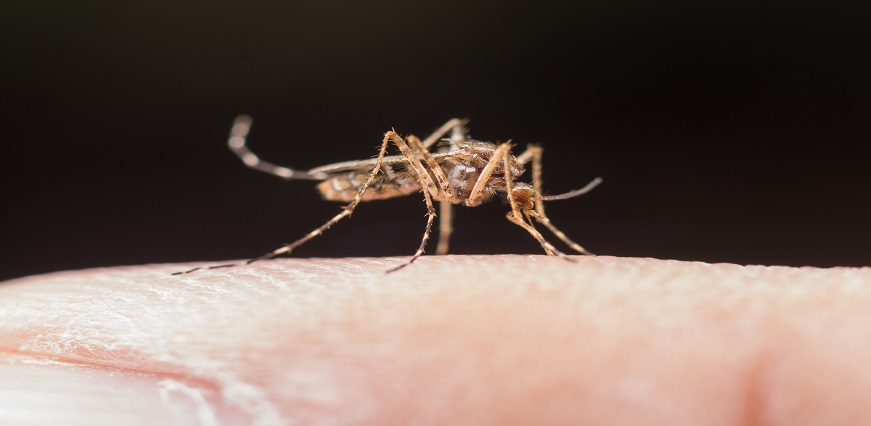
Dengue fever is a viral infection caused by the dengue virus (DENV) and transmitted through the bite of an infected female Aedes aegypti mosquito. This mosquito is the primary carrier responsible for spreading dengue infection among humans.
The dengue virus belongs to the Flavivirus family and exists in four different forms known as serotypes. These dengue variants are genetically related but have differences that affect how the immune system responds to infection.
The four dengue serotypes are:
- DENV 1
- DENV 2
- DENV 3
- DENV 4
An infection with one dengue type usually provides long-term immunity against that specific serotype. However, a person may still get infected by other dengue serotypes in the future.
What Are the 4 Types of Dengue Virus
There are 4 types of dengue virus, also known as dengue serotypes. The 4 dengue fever types include:
All four dengue serotypes can cause dengue fever. However, the severity of symptoms may differ depending on factors such as a person’s immune response, previous dengue infection, and overall health condition.
DENV 1 (Dengue Virus Type 1)
DENV 1 is one of the most widespread dengue serotypes and has been reported in many dengue outbreaks worldwide. It commonly causes classic dengue fever symptoms, especially in individuals experiencing their first dengue infection.
Common symptoms associated with DENV 1 may include:
- High fever
- Headache
- Pain behind the eyes
- Muscle and joint pain
- Skin rash
- Fatigue
- Nausea and vomiting
Most people recover with proper care and monitoring. However, medical evaluation may be required if symptoms become severe or warning signs appear.
DENV 2 (Dengue Virus Type 2)
DENV 2 is another major dengue serotype and has been associated with severe forms of dengue infection in some cases. It is considered one of the dengue types that may have a higher risk of complications, especially during a secondary infection with a different serotype.
Possible DENV 2 symptoms include:
- Persistent high fever
- Severe body pain
- Headache
- Pain behind the eyes
- Vomiting
- Abdominal discomfort
- Weakness
- Bleeding symptoms in severe cases
Since dengue symptoms caused by different serotypes can appear similar, early laboratory testing is required for confirmation.
DENV 3 (Dengue Virus Type 3)
DENV 3 is another dengue fever type responsible for infections and outbreaks in different regions. Like other dengue variants, it can cause symptoms ranging from mild fever to more serious complications.
Possible symptoms of DENV 3 include:
- Sudden high fever
- Muscle and joint pain
- Headache
- Skin rash
- Fatigue
- Nausea and vomiting
DENV 4 (Dengue Virus Type 4)
DENV 4 is the fourth dengue serotype and has been detected in several dengue-affected regions. Like other dengue variants, it can cause dengue fever and may lead to complications in some individuals.
Common Symptoms of DENV 4 may include:
- Fever
- Headache
- Muscle and joint pain
- Skin rash
- Weakness
- Nausea and vomiting
Although DENV 4 is less commonly reported in some regions compared to other serotypes, it remains an important dengue variant responsible for infections. The presence of DENV 4 highlights the importance of dengue prevention measures and timely diagnosis.
Are DENV 1, DENV 2, DENV 3 and DENV 4 Different Diseases
No. DENV 1, DENV 2, DENV 3, and DENV 4 are not separate diseases. They are different serotypes of the same dengue virus.
All four dengue types can cause:
- Mild dengue fever
- Moderate infection
- Severe dengue complications in some cases
The symptoms of dengue fever are generally similar across different serotypes. Therefore, it is not possible to identify the specific dengue type based only on symptoms.
What Are the Common Dengue Symptoms to Watch For
Dengue symptoms usually develop after the dengue virus enters the body through an infected mosquito bite. The severity of symptoms may vary from person to person.
Common dengue symptoms include:
- High fever
- Severe headache
- Pain behind the eyes
- Muscle and joint pain
- Nausea and vomiting
- Skin rash
- Fatigue and weakness
Some individuals may develop warning signs that require medical attention, such as:
- Severe abdominal pain
- Persistent vomiting
- Bleeding from the nose or gums
- Difficulty breathing
- Extreme weakness
- Sudden worsening of symptoms after fever reduces
Recognising these symptoms early and undergoing appropriate testing can help in timely detection of dengue infection.
What Are the Different Stages of Dengue Fever
Dengue infection generally progresses through three clinical phases:
-
Febrile Phase
The febrile phase is the initial stage of dengue. It is usually characterised by high fever, headache, body pain, and fatigue.
-
Critical Phase
During this stage, fever may decrease, but some individuals may develop warning signs due to complications. Close monitoring is important during this phase.
-
Recovery Phase
The recovery phase, sometimes referred to as stage 3 dengue, occurs when the body begins to recover from the infection. Symptoms gradually improve, although tiredness and weakness may continue for some time.
Understanding dengue stages helps in recognising changes in symptoms and identifying when medical evaluation may be required.
How is Dengue Diagnosed
Since dengue symptoms can overlap with other viral infections, laboratory tests are important for confirming dengue infection.
Common dengue diagnostic tests include:
- Dengue NS1 Antigen Test
- Dengue IgM Antibody Test
- Dengue IgG Antibody Test
- Complete Blood Count (CBC)
The choice of test may depend on factors such as the duration of symptoms and clinical assessment.
How to Prevent Dengue Infection
Since dengue spreads through mosquito bites, preventing mosquito breeding and reducing mosquito exposure are important steps.
Some preventive measures include:
- Removing stagnant water from surroundings
- Keeping water storage containers covered
- Using mosquito repellents
- Wearing full-sleeved/protective clothing
- Using mosquito nets where required
- Maintaining clean surroundings
Reducing exposure to the dengue mosquito can help lower the risk of infection.
Conclusion
Understanding the different types of dengue fever, including DENV 1, DENV 2, DENV 3, and DENV 4, helps improve awareness about dengue infection and its possible complications. Although all four dengue serotypes can cause dengue fever, symptoms and severity may vary between individuals.
Since dengue symptoms may overlap with other illnesses, timely diagnostic testing plays an important role in confirming infection. Maxlab provides dengue diagnostic tests, including NS1 Antigen and antibody tests, to support accurate detection and informed healthcare decisions.
Also Read: Dengue Fever Symptoms Day by Day
Disclaimer: This blog is intended for educational purposes only and should not be considered medical advice. Testing and treatment decisions should be made as advised by a qualified healthcare professional.













 To reach our help desk call 7982100200
.png)