








What Is a Lipid Profile Test?
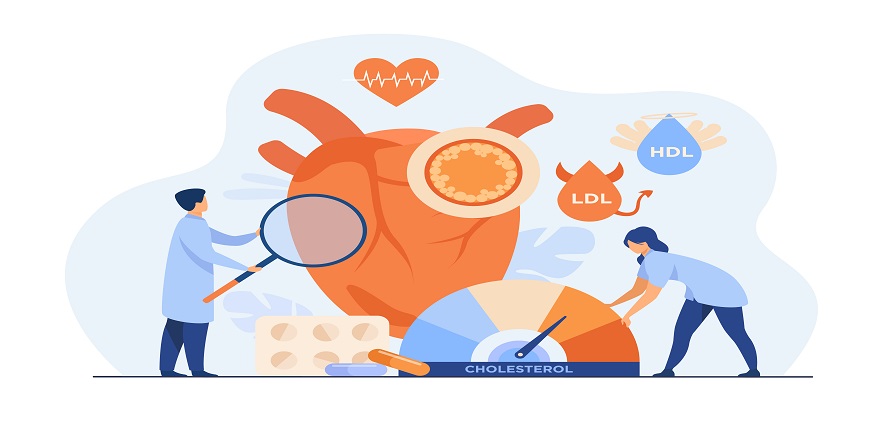
A Lipid Profile Test is a blood test that measures different types of fats in your blood. It is also called a lipid panel or lipid blood test. The test helps check cholesterol and triglyceride levels and can help your doctor understand your risk of heart and blood vessel problems.
A lipid profile usually includes:
- Total Cholesterol
- LDL Cholesterol
- HDL Cholesterol
- Triglycerides
- VLDL Cholesterol may also be reported.
What Does Lipid Profile Test Mean?
The Lipid Profile Test means a test that checks the level of fats in your blood. "Lipid" is another word for fat. Your body needs some fats for normal work, but very high levels of some blood fats may increase the risk of heart and blood vessel problems.
In simple words:
Lipid Profile = Blood test for cholesterol and triglycerides.
What Are the Normal Lipid Profile Values?
Normal lipid values can be different for different people. Your age, health history, medicines and heart disease risk can affect the target level. The values below are commonly used adult guidelines, but your Max Lab report reference range should be checked first.
| Lipid Test | General Adult Level |
|---|---|
| Total Cholesterol | Below 200 mg/dL |
| LDL Cholesterol | Below 100 mg/dL |
| HDL Cholesterol | 60 mg/dL or higher is desirable |
| Triglycerides | Below 150 mg/dL |
Important: People with diabetes, heart disease or other risk factors may have different LDL goals. A doctor may recommend a lower LDL level.
What Is Total Cholesterol?
Total cholesterol is the overall amount of cholesterol in your blood. Your body needs cholesterol for important functions, but a high level may increase the risk of heart and blood vessel problems. A total cholesterol level below 200 mg/dL is generally considered desirable for adults.
General levels
- Below 200 mg/dL: Desirable
- 200–239 mg/dL: Borderline high
- 240 mg/dL or above: High
Your doctor may look at your other lipid results before deciding what your total cholesterol value means.
What Is LDL Cholesterol?
LDL means Low-Density Lipoprotein. It is often called "bad cholesterol" because higher LDL can contribute to cholesterol buildup in the arteries. For many adults, an LDL level below 100 mg/dL is a commonly used target. People at higher heart risk may need a lower target.
In simple words:
Lower LDL is generally better.
Your doctor may set a personal LDL goal based on your health and heart disease risk.
What Is HDL Cholesterol?
HDL means High-Density Lipoprotein. It is often called "good cholesterol." HDL helps carry LDL cholesterol away from the blood and back to the liver. A higher HDL level is generally considered better, although the complete lipid profile should be considered together.
For adults:
- Men: More than 40 mg/dL is generally considered healthy.
- Women: More than 50 mg/dL is generally considered healthy.
- 60 mg/dL or higher: Generally considered desirable.
What Are Triglycerides?
Triglycerides are another type of fat found in the blood. Your body uses them for energy, but a high triglyceride level may increase health risks. Triglycerides are commonly measured as part of a lipid profile.
General adult levels:
- Below 150 mg/dL: Normal
- 150–199 mg/dL: Borderline high
- 200–499 mg/dL: High
- 500 mg/dL or above: Very high
What Is a Normal Lipid Profile for Adults?
A generally healthy adult lipid profile may have total cholesterol below 200 mg/dL, LDL below 100 mg/dL and triglycerides below 150 mg/dL. HDL is generally considered better when it is higher. However, there is no single lipid profile value that is correct for every person.
Your doctor may consider:
- Age
- Family history
- Diabetes
- Blood pressure
- Heart disease
- Previous heart attack or stroke
- Other health conditions
What Does a High Lipid Profile Mean?
A high lipid profile usually means that one or more blood fat levels are higher than the recommended level. For example, your LDL or triglycerides may be high, or your total cholesterol may be above the desirable range. The meaning depends on which values are high and your overall health.
A doctor may recommend:
- Changes in diet
- Regular physical activity
- Weight management
- Repeat testing
- Medicines when needed
What Does a Low Lipid Profile Mean?
A low result does not always mean that something is wrong. Different lipid values have different meanings. For example, a low LDL is generally desirable, while very low or unusual values may need to be understood along with your health history.
Do not try to understand one number alone. Look at the complete lipid profile report.
Is Lipid Profile Test Done on an Empty Stomach?
Sometimes fasting is required for a lipid profile test. Your doctor or laboratory may ask you not to eat for 9–12 hours before the blood sample, especially when triglycerides need to be assessed. Follow the preparation instructions given for your test.
If fasting is advised:
- Do not eat during the fasting period.
- Follow the laboratory's instructions about drinking water.
- Tell your doctor about your medicines.
- Do not stop any medicine unless your doctor tells you to.
Can I Do a Lipid Profile Test Without Fasting?
In some situations, a lipid profile can be done without fasting. However, the need for fasting depends on why the test is being done and your doctor's instructions. If your doctor has specifically asked for a fasting lipid profile, follow those instructions.
How Is a Lipid Profile Blood Test Done?
A lipid profile is a simple blood test. A healthcare professional collects a small blood sample, usually from a vein in your arm. The sample is then sent to the laboratory for testing. You may feel a small prick when the needle is inserted.
The test usually takes only a few minutes for sample collection.
What Can Affect Lipid Profile Test Results?
Many things can affect your cholesterol and triglyceride levels. These may include your diet, physical activity, weight, medicines, health conditions and family history. Alcohol and some medicines can also affect lipid test results.
Tell your doctor or laboratory if you:
- Take regular medicines
- Take supplements
- Have diabetes
- Have thyroid problems
- Have kidney or liver problems
- Have a family history of high cholesterol
What Does a Lipid Profile Test Report Show?
A lipid profile report shows the values of different types of cholesterol and blood fats. Your report may show the result, unit and reference range for each test. It is important to check the reference range printed on your report because ranges can vary between laboratories.
Common values shown are:
Total Cholesterol | LDL | HDL | Triglycerides | VLDL
When Should I Get a Lipid Profile Test?
A lipid profile may be advised as part of a routine health check or when your doctor wants to check your cholesterol and triglyceride levels. It can also be used to monitor people who are already being treated for high cholesterol.
Your testing frequency depends on factors such as:
- Age
- Family history
- Previous cholesterol results
- Diabetes
- Heart health
- Other risk factors
How Can I Lower High Cholesterol and Triglycerides?
If your lipid levels are high, your doctor may suggest changes based on your results and health. Common steps may include eating a balanced diet, staying physically active and maintaining a healthy weight. Some people may also need cholesterol-lowering medicines.
Do not start or stop medicines without medical advice.
Lipid Profile Test Value: How Should I Read My Report?
The best way to understand your lipid profile value is to look at every result together, not just total cholesterol. For example, a person may have normal total cholesterol but still need attention to LDL or triglycerides. Your doctor can explain what the numbers mean for your health.
Do not compare your result with another person's report.
Your age, health history and risk factors can change the meaning of your result.
Lipid Profile Test at Home
A lipid profile test can be convenient for people who prefer sample collection at home. A trained healthcare professional can collect the required blood sample from your home, subject to service availability in your location.
Before booking, check:
- Test availability
- Home collection availability
- Fasting instructions
- Sample collection time
- Lipid profile test price
How Can I Book a Lipid Profile Test Online?
You can book a lipid profile test online by selecting the test, entering your details and choosing a suitable sample collection option. If home collection is available in your area, you can select the home collection option while booking.
Check the test details and preparation instructions before booking.
Max Lab: How Can We Help?
Max Lab provides Lipid Profile Testing to help you check important blood fat levels such as total cholesterol, LDL, HDL and triglycerides.
You can check the lipid profile test price, choose a suitable testing option and book the test online. Home sample collection may also be available in selected locations.
Before the test, follow the preparation instructions provided by Max Lab or your doctor. Once you receive your report, discuss any abnormal values with your doctor.
Frequently Asked Questions
What is a lipid profile test?
A lipid profile is a blood test that checks cholesterol and triglyceride levels. It commonly includes total cholesterol, LDL, HDL and triglycerides.
What is the normal lipid profile range?
For adults, commonly used levels include total cholesterol below 200 mg/dL, LDL below 100 mg/dL and triglycerides below 150 mg/dL. HDL is generally better when higher.
What is a normal LDL level?
An LDL level below 100 mg/dL is a commonly used target for many adults. People with higher heart disease risk may have a lower LDL goal.
What is a normal HDL level?
For adults, HDL above 40 mg/dL in men and 50 mg/dL in women is generally considered healthy. A level of 60 mg/dL or higher is generally desirable.
What is a normal triglyceride level?
A triglyceride level below 150 mg/dL is generally considered normal for adults.
Does a lipid profile test require fasting?
Fasting may be required depending on the reason for testing and your doctor's instructions. If fasting is advised, follow the recommended fasting period before sample collection.
What is the difference between a lipid profile and a lipid panel?
Lipid profile and lipid panel generally refer to the same type of blood test. Both check important blood fats such as cholesterol and triglycerides.
What does high cholesterol mean?
High cholesterol means that one or more cholesterol levels are above the recommended range. Your doctor will look at your complete lipid profile and other health factors before deciding what it means.
Can I book a lipid profile test online?
Yes. You can book a lipid profile test online by selecting the test and following the booking and sample collection steps.
Is lipid profile test available at home?
Home sample collection may be available depending on your location and service availability. Check the available collection option while booking the test.
What is the lipid profile test price?
The lipid profile test price can vary by location and testing service. Check the current Max Lab price when booking the test.
What does a lipid profile blood test check?
A lipid profile blood test checks cholesterol and triglyceride levels in your blood. It commonly includes total cholesterol, LDL, HDL and triglycerides.
What is a serum lipid profile test?
A serum lipid profile is a blood test performed on the serum portion of a blood sample to measure cholesterol and triglyceride levels.
What does lipid profile test mean?
Lipid profile test means a blood test used to measure different fats in your blood, mainly cholesterol and triglycerides.


















 To reach our help desk call 7982100200
.png)
Comments