









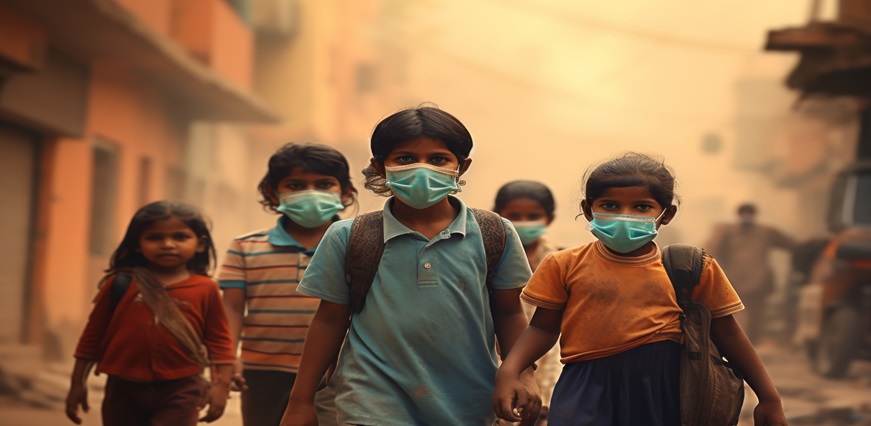
Have you noticed a dry, itchy, or painful throat when air pollution levels rise? You are not alone. Dust, smoke, and tiny particles in polluted air can irritate the lining of your nose, throat, and airways.
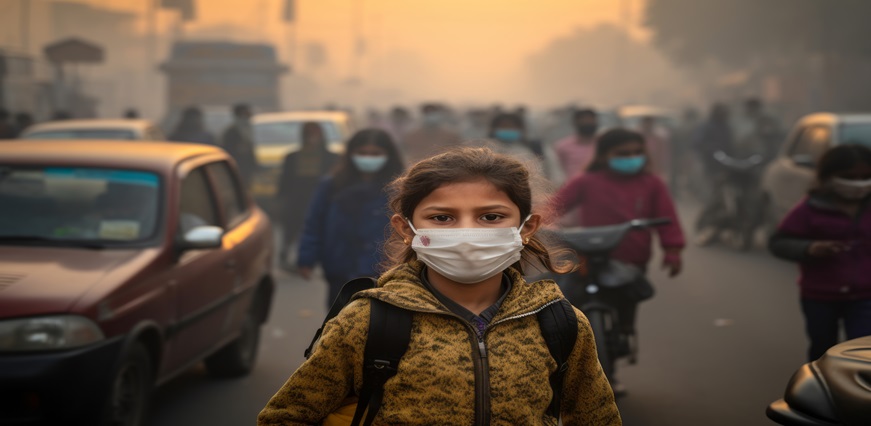
In many Indian cities, traffic fumes, construction dust, industrial smoke, and seasonal pollution can make breathing uncomfortable. Some people may notice a sore throat after spending time outdoors, especially when air quality is poor.
The good news is that a few simple steps can help ease throat irritation and reduce further exposure.
In this blog, we explain the link between air pollution and sore throat, easy ways to find relief, prevention tips, and when to consult a doctor.
What Is a Sore Throat?
A sore throat is pain, dryness, itching, or irritation in the throat. It may hurt when you swallow, speak, or eat.
A sore throat can happen for many reasons, including:
-
Air pollution, dust, and smoke
-
Viral infections, such as the common cold or flu
-
Bacterial infections, such as strep throat
-
Allergies to dust, pollen, or other substances
-
Dry air or breathing through the mouth
-
Exposure to cigarette smoke
A sore throat during polluted weather does not always mean pollution is the only cause. An infection or allergy may also be responsible.
How Does Air Pollution Cause a Sore Throat?
Air pollution contains harmful gases and tiny particles. These include PM2.5 and PM10, which are small particles found in smoke, dust, and vehicle emissions.
When you breathe polluted air, these particles can irritate the lining of your throat and airways. This may cause dryness, inflammation, coughing, and discomfort.
Common pollution-related throat symptoms include:
-
Dry or scratchy throat
-
Burning or itching in the throat
-
Frequent coughing
-
More mucus in the throat
-
Hoarse or rough voice
-
Mild discomfort while swallowing
People with asthma, allergies, or other lung conditions may be more sensitive to polluted air. Children and older adults may also need extra care.
7 Practical Solutions for Combating Sore Throat During Pollution
You may not be able to control outdoor air quality, but you can take steps to protect your throat and reduce irritation.
1. Drink Enough Water
Water helps keep your throat moist and may ease dryness and irritation.
Try to:
-
Drink water regularly throughout the day.
-
Choose warm or room-temperature water if it feels soothing.
-
Take small sips when your throat feels dry.
Warm fluids may provide temporary comfort, but they do not remove pollution particles from your lungs or treat an infection.
2. Gargle With Warm Salt Water
Gargling with warm salt water may help soothe a mild sore throat.
For adults and older children who can gargle safely:
-
Mix about half a teaspoon of salt into a glass of warm water.
-
Gargle gently.
-
Spit the water out. Do not swallow it.
Avoid this method for young children who may swallow the mixture. Salt-water gargling can ease discomfort, but it does not treat every cause of a sore throat.
3. Wear a Well-Fitted N95 Mask Outdoors
A well-fitted N95 mask can help reduce the amount of fine particle pollution you breathe in.
For better protection:
-
Make sure the mask fits closely over your nose and mouth.
-
Avoid gaps around the edges.
-
Follow the manufacturer's instructions.
-
Replace the mask as directed.
A cloth mask or handkerchief does not offer the same protection against fine particles. An N95 mask also does not protect against every harmful gas.
4. Reduce Outdoor Exposure When Air Quality Is Poor
Check the Air Quality Index (AQI) before planning outdoor activities.
When pollution levels are high:
-
Avoid heavy outdoor exercise.
-
Reduce time spent near busy roads and construction sites.
-
Keep children and older adults away from heavily polluted areas when possible.
-
Choose indoor activities instead of outdoor workouts.
If you have asthma or another heart or lung condition, follow your doctor's advice about activity and medication.
5. Keep Indoor Air Cleaner
Indoor air can also contain dust, smoke, and other irritants.
You can help reduce exposure by:
-
Avoiding smoking indoors.
-
Not burning incense or other materials when they worsen symptoms.
-
Reducing the use of strong room sprays and fragrances.
-
Cleaning dust with a damp cloth.
-
Using a suitable air purifier with a well-maintained filter, if available.
Keep windows closed when outdoor pollution is high if doing so helps reduce indoor exposure. Ventilate your home when outdoor air quality improves.
6. Try Honey for Temporary Relief
Honey may help soothe throat irritation and reduce coughing in some people.
You can take a small amount on its own or mix it into a warm drink.
Never give honey to a child younger than one year. Honey may provide symptom relief, but it does not treat the cause of pollution-related irritation or cure an infection.
7. Rest Your Voice and Avoid Irritants
If your throat feels sore, give your voice a break. Avoid shouting or speaking for long periods.
You should also avoid:
-
Cigarette smoke and second-hand smoke
-
Dusty surroundings
-
Strong chemical fumes
-
Very hot drinks that may burn your throat
These steps can reduce further irritation while your throat recovers.
How Can You Tell if a Sore Throat Is Caused by Pollution or an Infection?
Pollution and infections can cause similar symptoms. The timing and other symptoms may offer clues, but they cannot confirm the cause on their own.
| Feature | Pollution-related irritation | Possible infection |
|---|---|---|
| Common symptoms | Dryness, scratchiness, coughing | Throat pain, fever, cough, or other symptoms |
| When it starts | May worsen after exposure to polluted air | May develop after exposure to a virus or bacteria |
| Fever | Less typical from irritation alone | May occur, depending on the infection |
| Other symptoms | Irritated eyes or nose may occur | Runny nose, body aches, swollen glands, or other symptoms may occur |
| What helps | Reducing pollution exposure may help | Treatment depends on the cause |
These patterns are only clues. A viral infection may occur without fever, and pollution can worsen symptoms in someone who already has an infection.
Consult a healthcare professional if symptoms are severe, persistent, or getting worse.
Can Air Pollution Cause Other Health Problems?
Yes. Air pollution can affect more than the throat. Exposure may also irritate the eyes and nose and affect the lungs and heart.
Possible effects include:
-
Coughing and wheezing
-
Shortness of breath
-
Worsening asthma symptoms
-
Chest tightness
-
Irritated or watery eyes
-
Increased discomfort in people with existing lung or heart conditions
Repeated or long-term exposure to polluted air can also harm health. Reducing exposure is important even when symptoms seem mild.
When Should You See a Doctor for a Sore Throat?
A mild sore throat may improve when you avoid irritants and take simple steps to soothe your throat. However, some symptoms need medical attention.
Consult a doctor if:
-
Your sore throat is not improving after several days.
-
The pain is severe or keeps getting worse.
-
You have a high fever or a rash.
-
You have swollen glands in your neck.
-
You have difficulty eating or drinking.
-
Your symptoms keep returning.
Seek emergency medical care if you have difficulty breathing, cannot swallow saliva, develop swelling in your throat, or experience severe symptoms that worsen quickly.
Do not assume that every sore throat during polluted weather is caused by pollution.
Are Tests Needed for a Sore Throat?
Most mild sore throats do not require laboratory testing. A doctor may recommend a test if your symptoms suggest a specific infection or another condition.
The right test depends on your symptoms and medical examination.
Throat Swab Test
A throat swab collects a sample from the back of the throat. A laboratory may test the sample for certain bacteria or other germs, depending on the test requested.
A throat swab culture may help identify bacteria that can cause a throat infection. If needed, antibiotic sensitivity testing can help show which antibiotics may work against the bacteria found.
A throat swab does not measure pollution exposure and is not routinely needed for a sore throat caused by irritation alone.
Other Tests
Depending on your symptoms, a doctor may recommend testing for a specific infection. Other examinations may be needed if you have breathing problems or symptoms related to asthma or another lung condition.
A test result should be interpreted with your symptoms and medical history. Do not take antibiotics without medical advice.
How Can Max Lab Help?
If your sore throat continues or your doctor suspects a bacterial infection, diagnostic testing may help identify the cause.
Max Lab lists a Throat Swab – Culture & Sensitivity Test for assessing certain bacterial throat infections. The test may help identify bacteria in the sample and assess their response to selected antibiotics when appropriate.
The test is not required for every sore throat. Your doctor can advise whether it is suitable for your symptoms.
Max Lab also provides information about its diagnostic services and sample collection options. Availability may vary by location and service.
Conclusion
A sore throat during periods of high pollution can make everyday activities uncomfortable. Simple steps, such as drinking enough water, avoiding smoke, wearing a well-fitted N95 mask, and checking the AQI, may help reduce irritation.
However, pollution is not the only possible cause of throat pain. If symptoms persist, worsen, or come with fever or other concerning signs, consult a doctor. Seek emergency care for breathing difficulty or an inability to swallow saliva.














 To reach our help desk call 7982100200
.png)