




Home Sample Collection

Highly Trained Staff & Doctors
Same Day Reports Over Email

Zero Contamination QualiCare Kit

Showing 1 - 15 of 163
A lung test, also known as pulmonary function testing, is a diagnostic method used to assess lung function and evaluate respiratory conditions. This non-invasive testing can measure lung capacity, airflow, and gas exchange. People experiencing respiratory symptoms or those at risk of lung diseases may consider undergoing a lung test in Dehradun to assess their lung health.
A lung test includes different tests that assess various aspects of lung function. These may include:
Spirometry: Measures the amount of air exhaled and the speed of exhalation.
Lung Volume Tests: Assess lung capacity.
Gas Exchange Tests: Determine how effectively the lungs transfer oxygen and remove carbon dioxide.
Depending on the symptoms and medical history, imaging tests such as chest X-rays or CT scans may also be recommended to examine the lungs.
A lung test may be recommended if a person experiences:
Shortness of breath
Persistent coughing
Wheezing
It may also be recommended for people with conditions such as asthma, COPD, or interstitial lung disease to monitor the condition and assess treatment effectiveness.
Smokers, people exposed to environmental pollutants, and individuals with a family history of lung disease may also benefit from lung testing.
The time required for a lung test report in Dehradun depends on the type of tests performed and the healthcare facility.
Spirometry and some other pulmonary function test results may be available immediately. Additional investigations, such as imaging tests or blood tests, may take longer and may require a follow-up consultation.
The cost of a lung test varies depending on the test performed, healthcare provider, and additional consultation or facility charges. Some tests may be covered by health insurance. It is advisable to check the cost and insurance coverage before undergoing the test.
A full lung test, also known as pulmonary function testing, is a comprehensive evaluation of how well your lungs are functioning. It involves a series of painless breathing tests that measure your breathing capacity and efficiency.
Some standard lung function tests include Spirometry, Lung diffusion capacity test, Plethysmography, and Arterial blood gas tests.
While lung function tests are essential for assessing respiratory health, blood tests can also provide valuable information about the lungs. A blood test can detect specific markers that indicate lung inflammation or infection.
Paying attention to any changes in your breathing patterns or symptoms like persistent coughing, wheezing, or chest pain is essential. Regularly assessing your lung function through medical tests can provide valuable insights into your well-being.
Normal lung capacity varies with age, gender, height, weight, and overall health. Generally, a healthy adult might have a total lung capacity of around 6 litres.
For some basic lung function tests like spirometry or peak flow measurements, the process usually lasts around 15 to 30 minutes. These tests involve simple breathing manoeuvres that help assess how well your lungs work.
Engaging in aerobic exercises, practising breathing exercises, maintaining good posture, and avoiding smoking can help increase lung capacity.
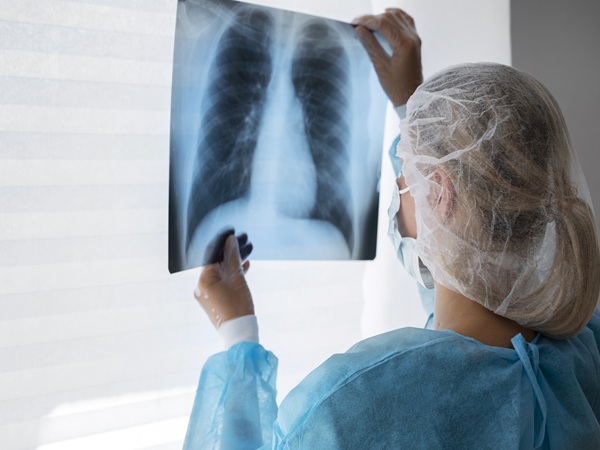
Breathing comfortably depends on the lungs being able to expand and contract ...Read More
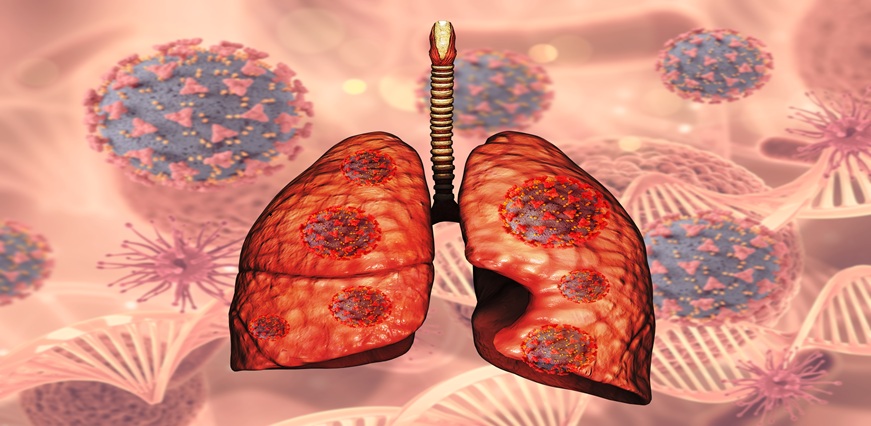
Lung cancer is one of the most common cancers globally, accounting for nearly...Read More

Empyema is a medical condition where pus accumulates in the pleural space, th...Read More
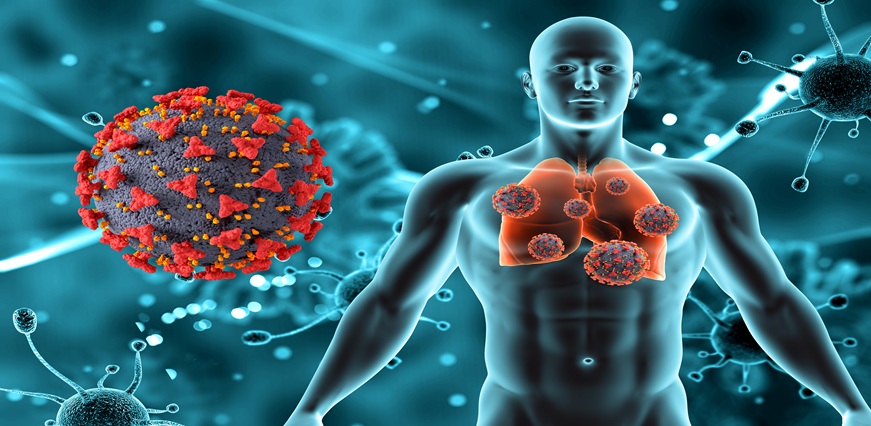
Lungs are among the most vital organs in the human body. They are responsible...Read More

Upper respiratory tract infections (URIs) occur when viruses or bacteria affe...Read More

Each year, on March 24th, the globe unites to celebrate World Tuberculosis Da...Read More
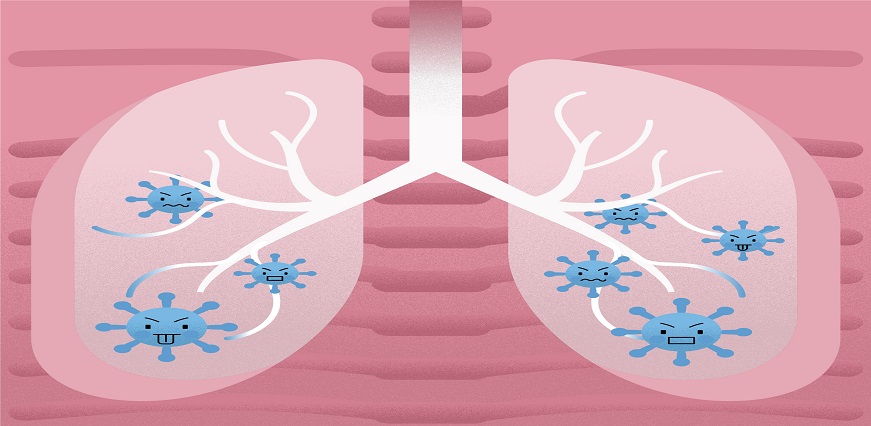
Respiratory Syncytial Virus, commonly known as RSV, is a highly contagious vi...Read More
.png)

 SORT
SORT











 To reach our help desk call 7982100200