








A blood infection means harmful germs, such as bacteria, viruses or fungi, may be present in the bloodstream or may have triggered a serious response in the body. People often use “blood infection” to describe different conditions. A serious infection can sometimes lead to sepsis, which needs quick medical care.
What Is a Blood Infection?
A blood infection is a common term used when an infection affects the blood or causes a strong reaction throughout the body. Bacteria are one possible cause, but viruses and fungi can also cause serious infections. The infection may start in another part of the body, such as the lungs, urine system or skin.
A blood infection is not always easy to identify from symptoms alone. Medical tests are needed to find the cause.
What Are the Symptoms of Blood Infection?
Blood infection symptoms can be different from person to person. Fever, chills, fast breathing, fast heartbeat, weakness and confusion may occur when the body is fighting a serious infection. Symptoms can become worse quickly, so serious or sudden symptoms should not be ignored.
Common symptoms may include:
- Fever or very low body temperature
- Chills or shivering
- Fast heartbeat
- Fast breathing
- Extreme tiredness or weakness
- Confusion or unusual behaviour
- Dizziness
- Nausea or vomiting
- Cold or sweaty skin
- Less urine than usual
These symptoms can also happen with other illnesses. A healthcare professional should assess the person to find the cause.
What Are the Signs of Blood Infection?
The signs of a serious blood infection can affect the whole body because the immune system is trying to fight the infection. High fever, chills, rapid breathing, fast heartbeat, confusion and severe weakness are important warning signs.
Other signs may include:
- Feeling very sick or weak
- Trouble staying awake
- Breathing faster than usual
- Heart beating faster than usual
- Pale, cold or sweaty skin
- Reduced urine output
- Dizziness or fainting
- Confusion or difficulty speaking clearly
Symptoms that appear suddenly or become worse quickly need urgent medical attention.
What Causes Blood Infection?
A blood infection can happen when germs enter the bloodstream or when an infection in another part of the body spreads. Bacterial infections are a common cause of bloodstream infections, but viruses and fungi can also cause serious infections.
Possible sources include:
1. Lung Infections
An infection in the lungs, such as pneumonia, can sometimes become severe and spread beyond the lungs. Breathing problems, fever, cough and chest discomfort may occur with lung infections.
If a person with an infection develops severe breathing difficulty, confusion or extreme weakness, urgent medical assessment is important.
2. Urinary Tract Infections
A urinary tract infection can sometimes spread to the kidneys and, in severe cases, contribute to a serious bloodstream infection. Fever, chills, pain while urinating, frequent urination and back or side pain may occur.
Prompt treatment of urinary infections can help prevent complications.
3. Skin and Wound Infections
An infected cut, wound or skin infection can sometimes spread deeper into the body. Redness, swelling, warmth, pain, pus or increasing skin changes may indicate an infection.
A wound that is getting worse instead of better should be checked by a healthcare professional.
4. Abdominal Infections
Infections in the abdomen can also become serious. Problems involving organs such as the appendix, gallbladder or intestines may cause abdominal pain, fever, vomiting or other digestive symptoms.
Severe abdominal pain with fever or weakness should be medically evaluated.
5. Infections Related to Medical Procedures
People with certain medical devices, wounds or recent procedures may have a higher risk of some infections. Catheters, intravenous lines and surgical wounds can sometimes become infected.
Follow medical instructions for caring for wounds and medical devices.
Can a Blood Infection Cause Fever?
Yes, fever can be a sign of an infection. Some people with serious infections may also develop chills or shivering. However, not everyone with a serious infection has a high fever. Older adults and people with certain health problems may have a normal or low temperature.
Fever alone does not confirm a blood infection. Testing and medical examination are needed to find the actual cause.
Can a Blood Infection Cause Weakness?
Yes. A serious infection can cause extreme tiredness and weakness. The body uses a lot of energy while fighting an infection. If the infection becomes severe, blood pressure and the function of important organs can also be affected.
Severe weakness, confusion, breathing difficulty or fainting along with signs of infection should be treated as a medical emergency.
Can a Blood Infection Cause Low Blood Pressure?
A severe infection can sometimes cause blood pressure to fall dangerously low, particularly when sepsis develops. Low blood pressure can reduce blood flow to important organs.
Signs may include dizziness, fainting, confusion, cold skin and severe weakness. Very low blood pressure with signs of serious infection needs immediate medical care.
What Is Sepsis?
Sepsis is the body's extreme response to an infection. It can cause problems with the normal working of organs and can become life-threatening if treatment is delayed.
Sepsis can start from infections in different parts of the body. It is not something that should be treated at home. Early medical treatment can be very important.
Who Is More at Risk of Serious Infection?
Anyone can develop a serious infection, but some people may have a higher risk of severe illness. Young babies, older adults and people with weakened immune systems or certain long-term health problems may be more vulnerable.
Higher-risk groups can include people with:
- Diabetes
- Kidney or liver problems
- Certain immune system conditions
- Cancer
- Recent major surgery
- Severe wounds or burns
- Medical devices such as certain catheters
Risk depends on the person's overall health and the type of infection.
How Is a Blood Infection Diagnosed?
There is no single test that can diagnose every condition people call a “blood infection.” Doctors may use blood tests, blood cultures, urine tests, imaging scans and other tests based on symptoms.
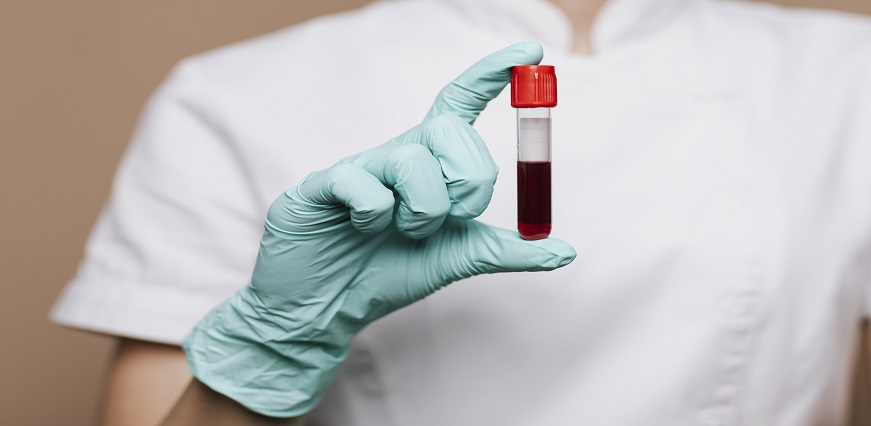
A blood culture may be used to look for certain bacteria or fungi in the blood. A CBC may also provide information about white blood cells and other blood parameters.
The doctor may also look for where the infection started.
What Blood Tests Are Done for Infection?
Several blood tests may help doctors assess an infection. A Complete Blood Count (CBC) checks white blood cells, red blood cells and platelets. Other tests may be used to assess inflammation, organ function or identify germs.
Depending on the situation, tests may include:
- CBC
- Blood culture
- CRP
- ESR
- Kidney function tests
- Liver function tests
- Other infection-related tests
The exact tests depend on the symptoms and the doctor's assessment.
How Is a Blood Infection Treated?
Treatment depends on what is causing the infection and how serious it is. Bacterial infections may require antibiotics, while some fungal or viral infections need different treatments. Severe infections may require hospital care, fluids, oxygen or other supportive treatment.
Do not take antibiotics without medical advice. The wrong medicine may not treat the infection and can contribute to antibiotic resistance.
Can Blood Infection Be Prevented?
Not every serious infection can be prevented, but basic hygiene and timely treatment can reduce the risk. Wash your hands, keep wounds clean, follow vaccination advice and seek medical care when an infection is getting worse.
Helpful habits include:
- Wash hands regularly.
- Keep cuts and wounds clean.
- Follow wound-care instructions.
- Take prescribed medicines correctly.
- Do not share antibiotics.
- Follow recommended vaccination schedules.
- Manage long-term health conditions.
When Should You Seek Medical Help?
Seek urgent medical care if a person with a suspected infection develops confusion, difficulty breathing, fainting, severe weakness, very fast breathing, cold or clammy skin, or a major change in alertness.
Do not wait for a blood test if severe symptoms are present. Sepsis can become serious quickly, and early medical assessment is important.
Max Lab: How Can We Help?
Max Lab can help you check important blood parameters through tests such as CBC and other laboratory investigations recommended by your healthcare professional. A CBC can provide information about white blood cells, red blood cells and platelets, while other tests may help assess infection or inflammation.
You can book the required blood test with Max Lab and discuss your report with a qualified healthcare professional. Remember, a blood test alone cannot confirm every type of blood infection. Proper medical evaluation is important when infection symptoms are serious.
Conclusion
A blood infection can become serious, especially when an infection triggers sepsis or begins to affect important organs. Symptoms such as fever, chills, rapid breathing, weakness, confusion, dizziness or reduced urine output should not be ignored, particularly when they appear suddenly or worsen quickly. Diagnosis may involve blood tests, blood cultures and other investigations to identify the source and severity of infection. Treatment depends on the cause and may require antibiotics, antifungal or antiviral medicines, along with supportive care. If you or someone you know has signs of a serious infection, seek medical attention promptly rather than waiting for symptoms to improve on their own.
This article is for general health information and should not replace advice from a qualified healthcare professional.



















 To reach our help desk call 7982100200
.png)