









Hormones are chemical messengers that help regulate many essential functions in the body, including metabolism, growth, reproduction, mood, sleep, blood sugar, sexual function and energy levels. They are produced by several endocrine glands and organs and travel through the bloodstream to communicate with different tissues.When the body produces too much or too little of a particular hormone, or when the body does not respond to a hormone properly, it can lead to an endocrine or hormone-related disorder. The symptoms can vary widely depending on which hormone or gland is affected.
The term hormonal imbalance is commonly used to describe abnormal hormone levels, but it is not a single medical condition. Hormonal changes can occur naturally during puberty, pregnancy, menstruation, perimenopause and menopause. Certain medical conditions, medications, lifestyle factors and disorders affecting endocrine glands can also influence hormone levels.
Understanding the signs of hormonal imbalance can help you recognise when medical evaluation may be appropriate. This article explains the common symptoms, causes, diagnostic tests, treatment options and ways to support overall hormonal health.
What Is Hormonal Imbalance?
Hormonal imbalance occurs when one or more hormones in the body are present at levels that are higher or lower than expected, or when the body's tissues do not respond normally to a hormone.Hormones are produced by glands such as the thyroid, pituitary, adrenal glands, pancreas, ovaries and testes. These glands form part of the endocrine system, which coordinates numerous processes throughout the body.
Even small changes in certain hormones can sometimes produce noticeable effects because hormones can influence multiple organs and body systems.
For example:
- Thyroid hormones influence metabolism and energy use.
- Insulin helps regulate blood glucose.
- Estrogen and progesterone influence reproductive health and menstrual cycles.
- Testosterone contributes to sexual function, muscle and bone health.
- Cortisol plays an important role in the body's response to stress.
- Growth hormone contributes to growth and metabolism.
Because many symptoms overlap with other health conditions, experiencing one or two symptoms does not necessarily mean you have a hormonal imbalance. A healthcare professional can determine whether hormone testing or other investigations are appropriate.
Common Symptoms of Hormonal Imbalance
The symptoms of hormonal imbalance depend largely on the hormone involved and the underlying cause. Some symptoms may be subtle, while others can have a noticeable effect on everyday life.
Common symptoms can include:
- Unexplained weight gain or weight loss
- Persistent tiredness or low energy
- Changes in appetite
- Difficulty sleeping
- Mood changes or irritability
- Anxiety or low mood
- Headaches
- Changes in menstrual cycles
- Heavy or irregular periods
- Acne or changes in skin
- Excessive hair growth or hair loss
- Reduced sexual desire
- Fertility difficulties
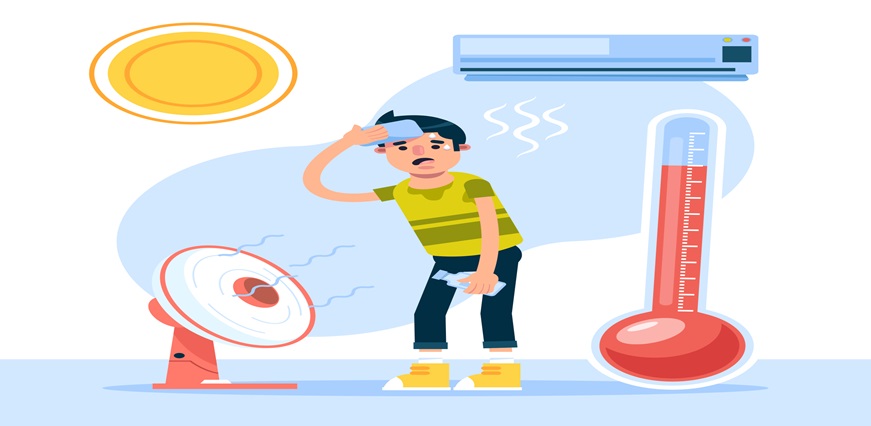
- Changes in body temperature or increased sensitivity to heat or cold
- Reduced muscle strength
- Changes in blood sugar
- Increased thirst or frequent urination
These symptoms are not specific to hormonal conditions. For example, fatigue can occur with anaemia, sleep disorders, thyroid disease, depression and several other conditions. Therefore, proper medical evaluation is important rather than assuming that every symptom is caused by hormones.
Hormonal Imbalance Symptoms in Women
Hormonal changes can affect women at different stages of life. Menstrual and reproductive hormones may naturally fluctuate during the menstrual cycle, pregnancy, postpartum period, perimenopause and menopause.
Possible symptoms of a hormone-related condition include:
-
Irregular Periods
Changes in menstrual frequency, duration or flow may occur because of several causes, including thyroid disorders, reproductive hormone changes, polycystic ovary syndrome (PCOS), pregnancy and other medical conditions.
-
Acne
Changes in androgen and other hormone levels may contribute to increased oil production and acne in some people.
-
Changes in Hair Growth
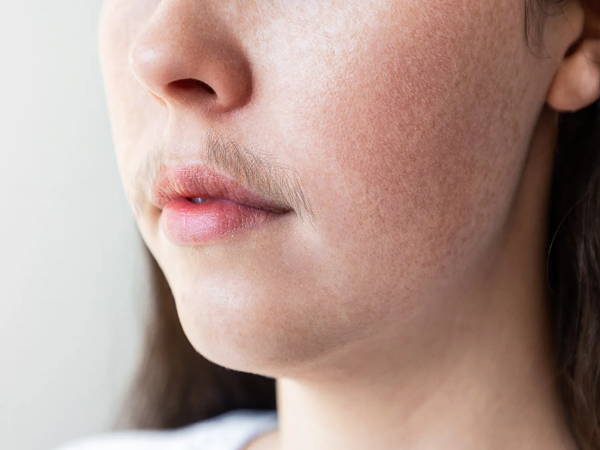
Hormonal conditions may sometimes cause increased facial or body hair or hair thinning on the scalp.
-
Fertility Problems
Hormonal disorders affecting ovulation or reproductive function can contribute to difficulty becoming pregnant.
Menopause-Related Symptoms
During perimenopause and menopause, fluctuations and eventual decreases in reproductive hormones can contribute to symptoms such as hot flashes, mood changes, sleep problems, vaginal dryness and changes in sexual desire.
Not every menstrual or menopause-related symptom requires hormone testing. A healthcare professional can determine whether testing is appropriate based on symptoms, age and individual circumstances.
Hormonal Imbalance Symptoms in Men
Hormonal changes can also affect men, particularly when testosterone production is lower than expected.
Possible symptoms of low testosterone include:
- Reduced sexual desire
- Erectile difficulties
- Reduced energy
- Decreased muscle mass
- Reduced body hair
- Infertility or reduced sperm production
- Mood changes
- Difficulty concentrating
- Breast enlargement or tenderness
Low testosterone should not be diagnosed based on symptoms alone. The Endocrine Society recommends confirming the diagnosis with consistently low testosterone levels along with relevant signs and symptoms; testosterone measurements may need to be repeated, particularly using morning testing.
What Causes Hormonal Imbalance?
There is no single cause of hormonal imbalance. Different endocrine disorders can develop because of problems affecting hormone-producing glands, the organs that regulate them, medications, genetic factors or other medical conditions.
Some possible causes include:
1. Thyroid Disorders
The thyroid produces hormones that influence metabolism. Conditions such as hypothyroidism and hyperthyroidism can cause changes in energy, weight, heart rate, temperature sensitivity and other body functions.
Thyroid function is commonly assessed using blood tests such as thyroid-stimulating hormone (TSH) and thyroid hormone measurements.
2. Polycystic Ovary Syndrome
PCOS is a common condition associated with hormonal and metabolic changes. It may cause irregular periods, acne, excess facial or body hair and difficulty with ovulation.
3. Diabetes and Insulin-Related Problems
Insulin is an important hormone produced by the pancreas. Problems with insulin production or the body's response to insulin can affect blood glucose regulation.
4. Stress
Stress can influence hormone levels and may affect sleep, appetite and overall wellbeing. However, persistent symptoms should not automatically be attributed to stress because many medical conditions can produce similar symptoms.
5. Pregnancy and Reproductive Changes
Pregnancy causes major hormonal changes that support fetal development and prepare the body for childbirth and breastfeeding.
6. Perimenopause and Menopause
Hormone production changes naturally during the menopausal transition. These changes can cause symptoms such as hot flashes, menstrual irregularity and sleep or mood changes.
7. Medications
Certain medications can affect hormone production or hormone action. The Endocrine Society notes that medications, including steroids and some other drugs, can influence endocrine function.
8. Problems Affecting the Pituitary or Adrenal Glands
The pituitary gland helps regulate several other endocrine glands, while the adrenal glands produce hormones such as cortisol and aldosterone. Disorders affecting these glands can therefore have widespread effects.
How Is Hormonal Imbalance Diagnosed?
There is no single test that can detect every type of hormonal imbalance.
Diagnosis usually begins with a discussion of your symptoms, medical history, medications, family history and lifestyle. Depending on the suspected condition, your doctor may perform a physical examination and recommend specific laboratory tests.
Hormone levels can be measured using blood, urine or, in certain circumstances, saliva samples.
The tests recommended depend on your symptoms.
Common Hormone Tests
Some commonly used tests include:
-
Thyroid Function Tests
TSH and thyroid hormone tests such as free T4 may be used to assess thyroid function. Additional testing may be recommended depending on the suspected condition.
-
Testosterone Test
Testosterone testing may be recommended for men with symptoms suggestive of testosterone deficiency. Testosterone levels vary throughout the day, which is why morning testing is often preferred.
-
Estrogen, Progesterone, FSH and LH
These reproductive hormones may be tested when evaluating certain menstrual, fertility or reproductive concerns. The appropriate test and timing can depend on the person's symptoms and menstrual cycle.
-
Prolactin
Prolactin testing may be recommended in selected cases involving menstrual changes, fertility concerns or other symptoms suggestive of abnormal prolactin levels.
-
Cortisol and ACTH
These tests may be used when a healthcare professional suspects an adrenal or pituitary disorder. Some cortisol tests need to be performed at a specific time because hormone levels naturally change during the day.
-
Blood Glucose and Related Tests
When symptoms suggest an insulin or glucose-related problem, doctors may recommend blood glucose testing and other metabolic investigations.
Importantly, hormone test results should be interpreted in context. Reference ranges can vary between laboratories, and factors such as age, sex, medications, time of day and physiological state can affect certain hormone measurements.
Treatment for Hormonal Imbalance
Treatment depends entirely on the underlying cause. There is no universal treatment for hormonal imbalance.
-
Treating the Underlying Condition
If a thyroid disorder is responsible for symptoms, treatment may focus on restoring appropriate thyroid hormone levels. If diabetes or another metabolic condition is involved, treatment may focus on improving blood glucose control.
Similarly, reproductive or adrenal hormone disorders require condition-specific treatment.
-
Hormone Replacement
Some people have insufficient production of a particular hormone and may benefit from medically prescribed hormone replacement.
For example, hormone replacement may be used for certain forms of hormone deficiency. However, hormone therapy is not appropriate for everyone and should only be considered after proper medical evaluation.
-
Medicines
Depending on the diagnosis, doctors may prescribe medicines that replace deficient hormones, reduce excessive hormone production, improve hormone sensitivity or treat the underlying disease.
-
Lifestyle Management
Healthy lifestyle habits can support general endocrine and metabolic health. These may include:
- Eating a balanced diet
- Staying physically active
- Maintaining a healthy weight
- Getting adequate sleep
- Managing stress
- Avoiding tobacco
- Limiting excessive alcohol consumption
- Taking prescribed medicines as directed
- Attending recommended health check-ups
Lifestyle changes can support health, but they should not be viewed as a substitute for medical treatment when an endocrine disorder has been diagnosed.
Can Hormonal Imbalance Be Prevented?
Not all hormonal disorders can be prevented. Some are related to genetics, autoimmune conditions, ageing, pregnancy or other factors outside a person's control.However, maintaining healthy habits can support overall metabolic and endocrine health.
Regular physical activity, balanced nutrition, adequate sleep and appropriate management of conditions such as diabetes can contribute to general wellbeing.
It is also important to avoid taking hormone supplements or hormone-related medicines without medical advice. Taking hormones unnecessarily can potentially cause side effects or mask the underlying problem.
When Should You See a Doctor?
You should consider speaking with a healthcare professional if symptoms persist, worsen or significantly affect your daily life.
Medical evaluation may be particularly important if you experience:
- Persistent unexplained fatigue
- Major or unexplained weight changes
- Significant menstrual irregularities
- Fertility difficulties
- Persistent changes in sexual function
- Unusual hair growth or hair loss
- Recurrent symptoms of abnormal blood sugar
- Persistent sensitivity to heat or cold
- Symptoms that began after starting a medication
Conclusion
Hormonal imbalance can affect many aspects of health because hormones influence metabolism, reproduction, growth, mood and other essential body functions. However, the term describes a broad range of possible hormone-related problems rather than one specific disease.
Symptoms such as tiredness, weight changes, acne, hair loss, menstrual irregularity or mood changes can have numerous causes. Therefore, self-diagnosis based solely on symptoms is not recommended.If you are experiencing persistent symptoms, consult a qualified healthcare professional. Depending on your symptoms and medical history, appropriate hormone or other laboratory tests can help identify the underlying cause and guide treatment.















 To reach our help desk call 7982100200
.png)