








Cholesterol is a waxy, fat-like substance that the body needs to build cells, make certain hormones, and perform other essential functions. Because cholesterol and other fats do not dissolve easily in blood, they are transported through the bloodstream by particles called lipoproteins.
The major lipoproteins include high-density lipoprotein (HDL), low-density lipoprotein (LDL), and very low-density lipoprotein (VLDL). While HDL is often called "good" cholesterol, LDL and VLDL are generally considered atherogenic lipoproteins because they can contribute to plaque formation in the arteries.
VLDL cholesterol is particularly important because VLDL particles carry a large amount of triglycerides. When triglyceride-rich lipoproteins remain elevated, they can contribute to the development of atherosclerosis and cardiovascular disease.
A VLDL cholesterol test helps estimate the amount of VLDL cholesterol in the blood. It is generally considered as part of a broader lipid assessment that may include total cholesterol, LDL cholesterol, HDL cholesterol and triglycerides.
What Is VLDL Cholesterol?
VLDL stands for very low-density lipoprotein. It is one of the particles responsible for transporting fats through the bloodstream.
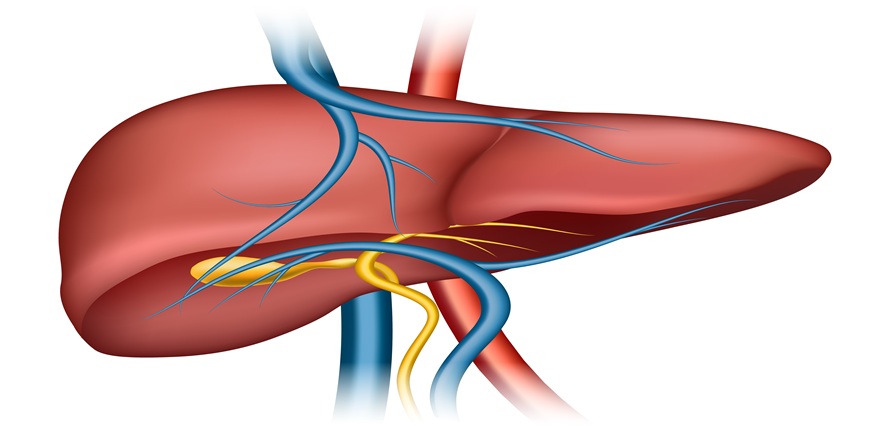
VLDL is produced primarily by the liver and carries mainly triglycerides, along with smaller amounts of cholesterol and other lipids. As VLDL particles circulate in the blood, they release triglycerides to tissues. The particles can then be transformed into other lipoproteins, including intermediate-density lipoproteins and eventually LDL.
VLDL and LDL are therefore related, but they are not the same:
- VLDL mainly carries triglycerides.
- LDL mainly carries cholesterol to tissues.
- HDL helps transport cholesterol back toward the liver for processing and removal.
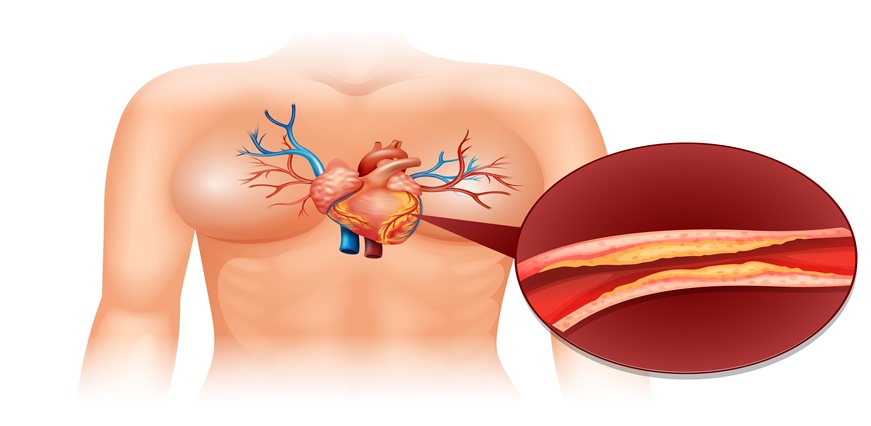
Because VLDL and other atherogenic lipoproteins can contribute to fatty deposits in artery walls, persistently elevated levels may be associated with a higher risk of cardiovascular disease.
What Is a VLDL Cholesterol Test?
A VLDL cholesterol test is used to estimate the amount of VLDL cholesterol in the blood.
In routine practice, VLDL is usually not measured directly. Instead, it is often estimated using the triglyceride result from a lipid panel. A commonly used estimation is:
VLDL cholesterol ≈ Triglycerides ÷ 5
For example, if triglycerides are 150 mg/dL, the estimated VLDL may be approximately 30 mg/dL.
However, this calculation has limitations. The traditional estimation becomes unreliable when triglyceride levels are very high, particularly above about 400 mg/dL.
This is why healthcare professionals generally interpret VLDL together with other lipid measurements rather than considering it on its own.
What Does a VLDL Cholesterol Test Measure?
The test provides an estimate of the amount of VLDL cholesterol circulating in the blood.
A lipid profile may provide information about:
- Total cholesterol
- LDL cholesterol
- HDL cholesterol
- Triglycerides
- Non-HDL cholesterol
- Sometimes estimated VLDL cholesterol
Because VLDL is closely related to triglycerides, the triglyceride result is particularly important when assessing VLDL.
A comprehensive lipid assessment can help healthcare professionals understand a person's cardiovascular risk and determine whether lifestyle changes, additional testing or treatment may be appropriate.
What Is the Normal VLDL Cholesterol Range?
VLDL cholesterol is commonly considered desirable when it is below 30 mg/dL. MedlinePlus notes that levels above 30 mg/dL may be associated with increased cardiovascular risk.
However, there is an important point to remember: there is no single VLDL number that determines whether a person will or will not develop heart disease.
Doctors consider several factors together, including:
- LDL cholesterol
- HDL cholesterol
- Triglycerides
- Blood pressure
- Blood sugar and diabetes status
- Smoking or tobacco use
- Body weight
- Family history
- Age
- Existing cardiovascular disease
- Other risk factors
Current cholesterol-management guidance increasingly emphasizes an individual's overall cardiovascular risk rather than relying on one lipid value in isolation.
VLDL Cholesterol Reference Range
| VLDL cholesterol | General interpretation |
|---|---|
| Below 30 mg/dL | Generally considered desirable |
| 30 mg/dL or higher | May indicate elevated VLDL and should be interpreted with other lipid results |
Laboratory reference ranges may vary, and your healthcare provider may use different targets depending on your overall health and cardiovascular risk.
What Does High VLDL Cholesterol Mean?
A high VLDL cholesterol level generally reflects an increased amount of triglyceride-rich lipoproteins in the blood.
Since VLDL is closely related to triglycerides, elevated VLDL often occurs alongside high triglyceride levels.
High triglycerides and triglyceride-rich lipoproteins may be associated with an increased risk of cardiovascular disease, particularly when they occur together with other risk factors such as high LDL cholesterol, diabetes, obesity or low HDL cholesterol.
High VLDL may be associated with:
- Excess body weight or obesity
- High intake of added sugars and refined carbohydrates
- A diet high in saturated fats
- Physical inactivity
- Diabetes or insulin resistance
- Certain metabolic conditions
- Excessive alcohol intake
- Some medications
- Certain inherited lipid disorders
The underlying cause should be evaluated rather than assuming that diet alone is responsible.
What Causes High VLDL Cholesterol?
Several factors can contribute to elevated VLDL.
1. High Triglyceride Levels
Since VLDL carries a large amount of triglycerides, elevated triglycerides commonly accompany elevated VLDL.
Triglycerides can increase when the body receives more calories than it needs, particularly when the diet contains excess refined carbohydrates, added sugars or alcohol.
2. Being Overweight or Obese
Excess body weight can be associated with unfavorable changes in triglycerides and other blood lipids.
For people who are overweight, achieving and maintaining a healthier weight can improve several cardiovascular risk factors.
3. Diabetes and Insulin Resistance
Diabetes and insulin resistance can affect how the body handles fats and glucose. They may contribute to elevated triglycerides and an unfavorable lipid profile.
Managing blood glucose, diet, physical activity and body weight can therefore be an important part of lipid management.
4. Unhealthy Dietary Patterns
Regularly consuming foods high in saturated fats, added sugars and excess calories can negatively affect blood lipid levels.
A heart-healthy eating pattern generally emphasizes vegetables, fruits, whole grains, beans, nuts, seeds, unsaturated fats and lean protein while limiting foods high in saturated fats, added sugars and excess sodium.
5. Physical Inactivity
A sedentary lifestyle can contribute to unhealthy triglyceride and cholesterol levels.
Regular physical activity can improve several components of the lipid profile and support cardiovascular health.
6. Smoking and Tobacco Use
Smoking can lower HDL cholesterol and increases cardiovascular risk. Quitting tobacco is an important part of reducing overall heart and blood-vessel risk.
7. Genetics
Some people inherit conditions that cause abnormal cholesterol or triglyceride levels.
A family history of high cholesterol, very high triglycerides, premature heart disease or stroke may warrant earlier or more frequent lipid assessment.
Does High VLDL Cause Symptoms?
In most cases, high VLDL cholesterol does not cause noticeable symptoms.
A person may have elevated VLDL, LDL or triglycerides for years without knowing it. This is one reason routine lipid testing can be useful, particularly for people with cardiovascular risk factors.
Symptoms such as chest pain, shortness of breath or sudden neurological symptoms are not symptoms of high VLDL itself. Instead, they may indicate a cardiovascular event or another medical condition and require urgent medical attention.
When Should You Get a VLDL Cholesterol Test?
VLDL is generally assessed as part of a lipid profile rather than as an isolated test.
Your healthcare professional may recommend lipid testing based on factors such as:
- Age
- Family history of high cholesterol
- Family history of early heart disease or stroke
- Diabetes
- High blood pressure
- Overweight or obesity
- Smoking or tobacco use
- Previous cardiovascular disease
- Elevated triglycerides or cholesterol in previous tests
- Certain medications or medical conditions
The appropriate testing schedule depends on your individual risk profile.
How Is the VLDL Cholesterol Test Performed?
A VLDL estimate is usually obtained from a blood sample taken for a lipid panel.
During the test:
- A healthcare professional collects a blood sample, usually from a vein in the arm.
- The sample is sent to a laboratory for analysis.
- Triglycerides and other lipid measurements are assessed.
- VLDL may then be estimated using the triglyceride result.
Whether fasting is necessary depends on the specific lipid testing being performed and your healthcare provider's instructions. Follow the laboratory's instructions before the test.
What Do VLDL Cholesterol Test Results Mean?
Test results should be interpreted in the context of your complete lipid profile and overall cardiovascular risk.
For example, a person with elevated VLDL and high triglycerides may be advised to focus on dietary changes, physical activity and weight management. Another person with a history of cardiovascular disease may require more intensive lipid-lowering treatment.
Therefore, a VLDL result should not be interpreted in isolation.
The 2026 ACC/AHA dyslipidemia guideline emphasizes individualized cardiovascular-risk assessment and appropriate management of LDL cholesterol, triglycerides and other atherogenic lipoproteins.
How to Lower VLDL Cholesterol Naturally
Since VLDL is closely associated with triglycerides, improving triglyceride levels can help reduce VLDL.
1. Follow a Heart-Healthy Diet
A balanced eating pattern is one of the most important ways to support healthy cholesterol and triglyceride levels.
Include more:
- Vegetables
- Fruits
- Whole grains
- Beans and legumes
- Nuts and seeds
- Fish
- Lean protein
- Low-fat or fat-free dairy products
- Foods containing unsaturated fats
Try to limit:
- Fried foods
- Processed meats
- Foods high in saturated fats
- Highly processed foods
- Excess added sugars
- Refined carbohydrates
- Excess calories
The American Heart Association recommends an overall heart-healthy dietary pattern rather than focusing on a single "cholesterol-lowering" food.
2. Exercise Regularly
Regular physical activity can help improve cholesterol and triglyceride levels and support cardiovascular health.
A commonly recommended target for adults is at least 150 minutes of moderate-intensity aerobic activity per week, or 75 minutes of vigorous activity, when appropriate for the individual.
Examples include:
- Brisk walking
- Cycling
- Swimming
- Dancing
- Jogging
- Other activities that increase heart rate
If you have been inactive or have a medical condition, discuss an appropriate exercise plan with your healthcare professional before beginning vigorous exercise.
3. Maintain a Healthy Weight
For people who are overweight, even modest weight reduction may improve metabolic health and lipid levels.
Rather than following extreme diets, focus on sustainable changes to eating habits, portion sizes and physical activity.
4. Quit Smoking
Stopping smoking can improve cardiovascular health and may help improve HDL and triglyceride levels. It also reduces the broader cardiovascular risks associated with tobacco use.
5. Limit Alcohol
Alcohol can contribute to elevated triglycerides in some people. If triglycerides are high, your healthcare professional may recommend reducing or avoiding alcohol depending on your individual circumstances.
6. Manage Diabetes and Other Health Conditions
If you have diabetes, high blood pressure, metabolic syndrome or another condition affecting cardiovascular health, proper management can be an important part of improving your overall lipid profile.
Can Medicines Help Lower VLDL?
Sometimes lifestyle changes alone are not sufficient, particularly when triglycerides or other atherogenic lipids remain elevated or when a person has a high cardiovascular risk.
Medication decisions are based on the overall lipid profile and cardiovascular or pancreatitis risk, rather than simply treating a VLDL number.
Depending on the situation, healthcare professionals may consider medicines such as:
Statins
Statins reduce LDL cholesterol and remain a foundation of lipid-lowering therapy for many people who require medication. They can also reduce cardiovascular risk in appropriate patients.
Ezetimibe
Ezetimibe reduces the absorption of cholesterol in the intestine and may be used when additional LDL-lowering is needed.
PCSK9-Targeting Therapies
PCSK9-targeting medicines can substantially reduce LDL cholesterol and may be considered for selected people with high cardiovascular risk.
Fibrates
Fibrates primarily target triglycerides and may be considered in certain people with significantly elevated triglycerides.
Prescription Omega-3 Therapies
Certain prescription omega-3-based treatments may be considered for selected patients with elevated triglycerides. These should not be confused with over-the-counter supplements, which can differ in dose, formulation and evidence.
The 2026 dyslipidemia guideline notes that lifestyle changes and statin therapy remain important components of management for persistent hypertriglyceridemia, while additional triglyceride-lowering treatment may be appropriate depending on cardiovascular and pancreatitis risk.
Do not start, stop or change cholesterol medication or supplements without consulting a qualified healthcare professional.
VLDL vs LDL vs HDL: What Is the Difference?
Understanding the different lipoproteins can make a lipid report easier to interpret.
| Lipoprotein | Main role | General description |
|---|---|---|
| VLDL | Mainly transports triglycerides | Atherogenic, triglyceride-rich lipoprotein |
| LDL | Transports cholesterol to tissues | High levels can contribute to plaque formation |
| HDL | Helps transport cholesterol toward the liver | Higher levels are generally associated with better cardiovascular health |
It is important to remember that calling HDL "good" and LDL/VLDL "bad" is a simplification. Cardiovascular risk depends on the entire lipid profile, other health conditions and individual risk factors.
VLDL and Triglycerides: What Is the Connection?
VLDL and triglycerides are closely connected.
VLDL particles are rich in triglycerides, which means that higher triglyceride levels commonly result in higher estimated VLDL levels.
For this reason, improving triglyceride levels through appropriate diet, physical activity, weight management and treatment of underlying conditions can help improve VLDL levels.
However, if triglycerides are very high, the standard VLDL calculation may not be reliable.
Can High VLDL Increase the Risk of Heart Disease?
Persistently elevated atherogenic lipoproteins can contribute to the buildup of fatty deposits within artery walls.
Over time, atherosclerotic plaque can narrow arteries and interfere with blood flow. Depending on which arteries are affected, this can contribute to conditions such as coronary artery disease, heart attack, stroke and peripheral artery disease.
The level of risk varies from person to person and depends on factors beyond VLDL alone.
When Should You Talk to a Doctor About Your VLDL Result?
Speak with a healthcare professional if:
- Your VLDL or triglycerides are repeatedly elevated.
- You have a family history of early heart disease or high cholesterol.
- You have diabetes or high blood pressure.
- You are overweight or have metabolic risk factors.
- Your LDL cholesterol is high.
- You have previously experienced a heart attack or stroke.
- You are already taking cholesterol-lowering medication and your lipid levels remain abnormal.
Very high triglyceride levels deserve particular attention because severe hypertriglyceridemia can increase the risk of pancreatitis, in addition to cardiovascular risk.
Why Regular Lipid Testing Matters
High cholesterol and triglycerides often do not produce symptoms. Blood testing is therefore an important way to identify lipid abnormalities before cardiovascular complications develop.
A lipid profile can help provide a broader picture of cardiovascular risk by measuring several important blood fats and lipoproteins.
Regular testing may be especially important for people with diabetes, high blood pressure, obesity, a family history of cardiovascular disease, previous abnormal lipid results or other risk factors.
Conclusion
VLDL cholesterol is an important part of the body's lipid system and is closely linked to triglyceride levels. Although VLDL is often discussed alongside LDL as an "unhealthy" cholesterol, VLDL primarily transports triglycerides rather than cholesterol.
Because high VLDL is often associated with elevated triglycerides, improving diet, increasing physical activity, maintaining a healthy weight, avoiding tobacco and managing conditions such as diabetes can support healthier lipid levels. When lifestyle changes are not enough or cardiovascular risk is elevated, a healthcare professional may recommend appropriate lipid-lowering treatment.
Most importantly, VLDL should not be interpreted as an isolated number. A complete lipid profile and an individual's overall cardiovascular risk provide a more meaningful picture of heart health. Current guidelines emphasize personalized assessment and treatment based on LDL cholesterol, triglycerides, other atherogenic lipoproteins and individual risk factors.


















 To reach our help desk call 7982100200
.png)
Comments