






Hemoglobin is an important protein in our blood. It helps carry oxygen from the lungs to different parts of the body. When hemoglobin is low, the body may not get enough oxygen. This can cause tiredness, weakness, dizziness, pale skin, or shortness of breath.
Many people ask, “How can I increase hemoglobin quickly?” The answer depends on why your hemoglobin is low. Eating iron-rich foods can help when iron is low, but some people may need supplements or treatment for an underlying health problem.
This blog explains how to increase hemoglobin naturally, which foods can help, what to avoid, and when you should see a doctor.
What Is Hemoglobin?
Hemoglobin is a protein found inside red blood cells. It carries oxygen from your lungs to your body and helps carry carbon dioxide back to the lungs. Your body needs enough hemoglobin to work properly. A low hemoglobin level may be called anemia, depending on the cause and the person's age and sex.
Hemoglobin needs nutrients such as:
-
Iron
-
Vitamin B12
-
Folate (vitamin B9)
-
Protein
-
Other nutrients needed to make healthy red blood cells
How Can I Increase Hemoglobin Naturally?
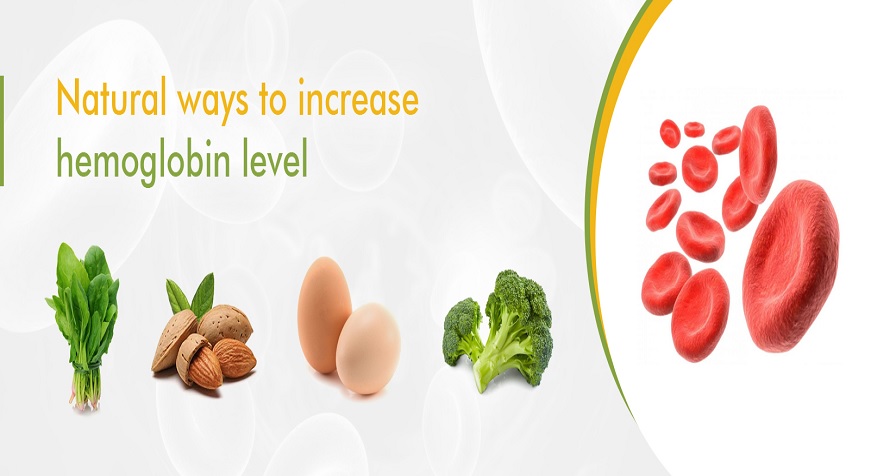
You can support healthy hemoglobin levels by eating foods rich in iron, vitamin B12, folate, and protein. Vitamin C can also help your body absorb iron from plant foods. However, food alone may not correct low hemoglobin if you have significant anemia or another medical condition.
Helpful steps include:
-
Eat iron-rich foods regularly.
-
Add vitamin C-rich foods to meals.
-
Eat enough protein.
-
Include vitamin B12 and folate sources.
-
Avoid drinking tea or coffee immediately with iron-rich meals.
-
Follow your doctor's advice if supplements are prescribed.
Which Foods Increase Hemoglobin?
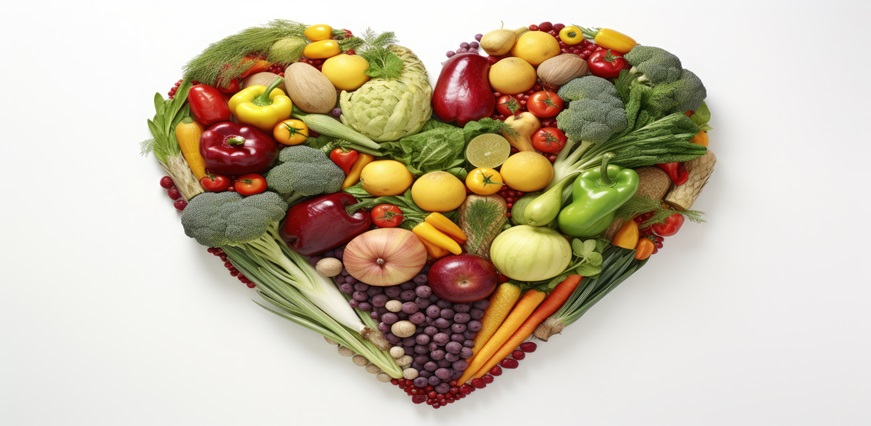
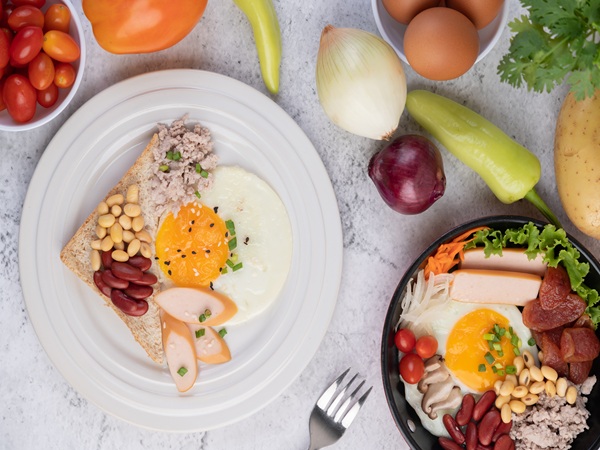
Iron-rich foods are important for making hemoglobin. You can get iron from both animal and plant foods. Choosing a variety of foods is better than depending on one food. If your hemoglobin is low, your doctor may also check whether you have an iron, vitamin B12, or folate deficiency.
Good food choices include:
1. Green Leafy Vegetables
Green leafy vegetables such as spinach, mustard greens, and other leafy greens can provide iron and folate. They can be included as part of a balanced diet. Plant-based iron is absorbed less easily than iron from some animal foods, so eating vitamin C-rich foods with the meal can help.
Try adding leafy vegetables to:
-
Dal
-
Vegetable dishes
-
Soups
-
Chapati or paratha fillings
-
Salads, when suitable
2. Lentils and Beans
Lentils, beans, chickpeas, and other pulses provide iron, protein, and other nutrients. They are useful foods for people who follow a vegetarian diet. Eating them regularly can support the nutrients your body needs to make healthy red blood cells.
You can include:
-
Dal
-
Rajma
-
Chana
-
Chickpeas
-
Black beans
-
Other pulses
3. Dates and Raisins
Dates and raisins contain some iron and can be included in a balanced diet. However, they should not be treated as a medicine for low hemoglobin. They also contain natural sugar, so people who need to limit sugar should eat them in suitable amounts.
Use them as a small snack rather than eating large amounts.
4. Eggs
Eggs provide protein and several important nutrients and can be part of a healthy diet. They are not one of the richest sources of iron, but they can support overall nutrition. Include eggs along with other iron-rich foods if they suit your diet.
5. Meat and Fish
Meat and fish can provide iron and high-quality protein. Iron from animal foods is generally absorbed more easily than the iron found in many plant foods. If you eat non-vegetarian food, lean meat and fish can be included as part of a balanced diet.
6. Nuts and Seeds
Nuts and seeds can provide iron, protein, and other nutrients. Options such as sesame seeds, pumpkin seeds, and certain nuts can be added to meals or eaten as a small snack.
Choose reasonable portions because nuts and seeds can be high in calories.
Does Vitamin C Help Increase Hemoglobin?
Vitamin C helps your body absorb iron, especially iron from plant foods. Adding a vitamin C-rich food to an iron-rich meal can therefore be useful. You do not need very large amounts; regular balanced meals are enough.
Vitamin C-rich foods include:
-
Guava
-
Orange
-
Amla
-
Lemon
-
Kiwi
-
Tomato
-
Capsicum
-
Other fresh fruits and vegetables
For example, you can add lemon to a suitable meal containing lentils or leafy vegetables.
Can Drinking Tea or Coffee Lower Iron Absorption?
Tea and coffee can reduce the absorption of iron from food when consumed around the same time as an iron-rich meal. If you are trying to improve your iron intake, it may be helpful to avoid having tea or coffee immediately with meals.
Ask your doctor or dietitian about the best timing if you have iron-deficiency anemia or are taking iron supplements.
How to Increase Hemoglobin Quickly?
There is no safe food that can raise hemoglobin immediately. The time needed depends on how low your hemoglobin is and why it is low. If you have iron-deficiency anemia, your doctor may recommend iron treatment along with dietary changes.
Do not take high-dose iron tablets without medical advice. Too much iron can be harmful, and low hemoglobin is not always caused by iron deficiency.
What Causes Low Hemoglobin?
Low hemoglobin can happen for many reasons, and finding the cause is important before choosing treatment. Iron deficiency is common, but blood loss, vitamin deficiencies, chronic illnesses, inherited blood conditions, and other health problems can also cause anemia.
Possible causes include:
-
Iron deficiency
-
Vitamin B12 deficiency
-
Folate deficiency
-
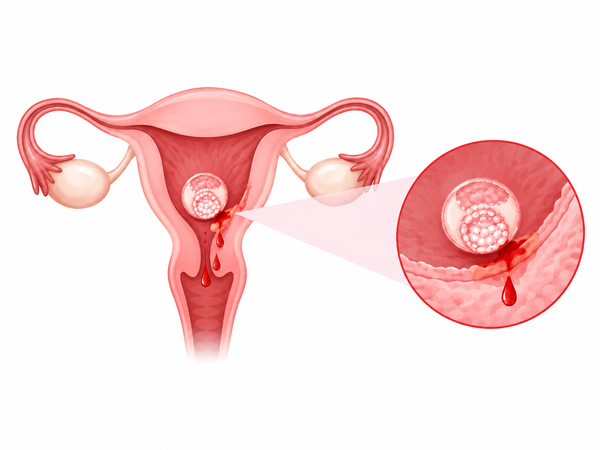
Heavy menstrual bleeding
-
Blood loss from another source
-
Poor absorption of nutrients
-
Certain long-term illnesses
-
Pregnancy-related increased nutrient needs
-
Some inherited blood disorders
Because the cause can be different for each person, testing and medical advice may be needed.
What Are the Symptoms of Low Hemoglobin?
Low hemoglobin may cause tiredness and weakness because the body may not receive enough oxygen. Symptoms can be mild at first and may become more noticeable when hemoglobin becomes lower or anemia becomes more severe.
Common symptoms include:
-
Tiredness
-
Weakness
-
Dizziness
-
Headache
-
Pale skin
-
Shortness of breath
-
Fast heartbeat
-
Difficulty concentrating
-
Feeling cold
Some people with mild anemia may have few or no symptoms.
Can Low Hemoglobin Be Increased by Food Alone?
Food may help when low hemoglobin is related to poor nutrition, but food alone may not be enough for everyone. If you have significant iron deficiency, your doctor may recommend an iron supplement or other treatment.
The important step is to find the reason for low hemoglobin. Do not assume that every case of anemia is caused by a lack of iron.
What Should I Avoid When Hemoglobin Is Low?
There is no need to avoid most foods simply because your hemoglobin is low. However, avoid habits that can reduce iron absorption or interfere with treatment.
Keep these points in mind:
-
Do not take tea or coffee immediately with iron-rich meals.
-
Do not take iron supplements with other medicines unless your doctor says it is safe.
-
Do not take iron tablets without knowing whether you need them.
-
Do not depend only on one food to increase hemoglobin.
-
Do not ignore ongoing blood loss.
If you are taking an iron supplement, follow the instructions given by your healthcare professional.
How Long Does It Take to Increase Hemoglobin?
The time needed to increase hemoglobin depends on the cause and severity of anemia. Some people may improve after dietary changes and treatment, while others need longer treatment. Your doctor may repeat a blood test to check whether your hemoglobin is improving.
Do not stop treatment simply because you start feeling better. Follow the treatment period advised by your doctor.
How to Increase Hemoglobin in Women?
Women may have a higher risk of iron deficiency because of menstrual blood loss, pregnancy, and increased nutritional needs. Eating iron-rich foods and getting enough vitamin B12, folate, and protein can help support healthy blood.
Women with heavy periods, pregnancy, repeated tiredness, or low hemoglobin should speak with a healthcare professional. The doctor may recommend blood tests to identify the cause.
How to Increase Hemoglobin in Children?
Children need enough iron, protein, vitamins, and other nutrients for healthy growth and blood formation. Good food choices may include pulses, leafy vegetables, eggs, meat, fish, fruits, and other nutritious foods suitable for their age.
Do not give iron tablets or syrups to a child without medical advice. Too much iron can be dangerous for children.
When Should You See a Doctor for Low Hemoglobin?
You should talk to a doctor if you have persistent tiredness, dizziness, weakness, shortness of breath, pale skin, or a blood test showing low hemoglobin.
Medical attention is especially important if you have:
-
Very heavy menstrual bleeding
-
Blood in the stool or urine
-
Unexplained weight loss
-
Repeated bleeding
-
Severe weakness
-
Chest pain
-
Severe shortness of breath
-
Fainting
Severe breathing difficulty, chest pain, or fainting needs urgent medical attention.
How Can Max Lab Help With Low Hemoglobin?
Max Lab can help with laboratory testing recommended by your doctor to check hemoglobin and investigate possible causes of anemia. A Complete Blood Count (CBC) is commonly used to measure hemoglobin and other blood cell measurements.
Depending on your symptoms and medical history, a doctor may recommend additional tests, such as tests related to iron, vitamin B12, folate, or other possible causes.
The right tests depend on the individual. Do not take iron supplements just because your hemoglobin is low without finding out the cause. Max Lab can provide doctor-recommended laboratory testing to support the evaluation of your health.
Frequently Asked Questions About Increasing Hemoglobin
How can I increase hemoglobin quickly?
The fastest safe approach depends on why your hemoglobin is low. Iron-rich foods can help when your diet is low in iron, while some people need supplements or treatment. A doctor can help identify the cause.
Which food increases hemoglobin fastest?
There is no single food that increases hemoglobin instantly. Iron-rich foods such as lentils, beans, leafy vegetables, meat, and fish can support hemoglobin production when included in a balanced diet.
Which fruit is best for increasing hemoglobin?
Fruits such as guava, amla, oranges, and other vitamin C-rich fruits can help your body absorb iron from plant foods. Fruits alone, however, are not a treatment for anemia.
Does beetroot increase hemoglobin?
Beetroot can be part of a healthy diet, but it should not be considered a proven treatment for low hemoglobin. If your hemoglobin is low, focus on a balanced diet and find the underlying cause.
Can I increase hemoglobin naturally?
Yes, you can support healthy hemoglobin through iron-rich foods, adequate vitamin B12 and folate, enough protein, and vitamin C-rich foods. However, significant anemia may require medical treatment.
Does drinking milk increase hemoglobin?
Milk provides protein and other nutrients but is not a rich source of iron. It should not be used as the main way to increase hemoglobin. A balanced diet is more important.
Is low hemoglobin always caused by iron deficiency?
No. Low hemoglobin can have many causes, including vitamin B12 or folate deficiency, blood loss, chronic illness, and inherited blood conditions. Testing can help identify the cause.
How can I increase hemoglobin during pregnancy?
During pregnancy, nutritional needs increase. Iron, folate, vitamin B12, and protein are important, but pregnant women should take supplements only as advised by their doctor. Regular prenatal check-ups and recommended blood tests are important.
How can I increase hemoglobin in children?
Give children a balanced diet containing iron-rich foods, protein, fruits, vegetables, and other nutrients suitable for their age. Never give iron supplements to children without medical advice.
Which test checks hemoglobin?
A Complete Blood Count (CBC) is commonly used to check hemoglobin along with other blood cell measurements. If the level is low, your doctor may recommend additional tests to find the cause.










 To reach our help desk call 7982100200
.png)