








What Is an RFT Test?
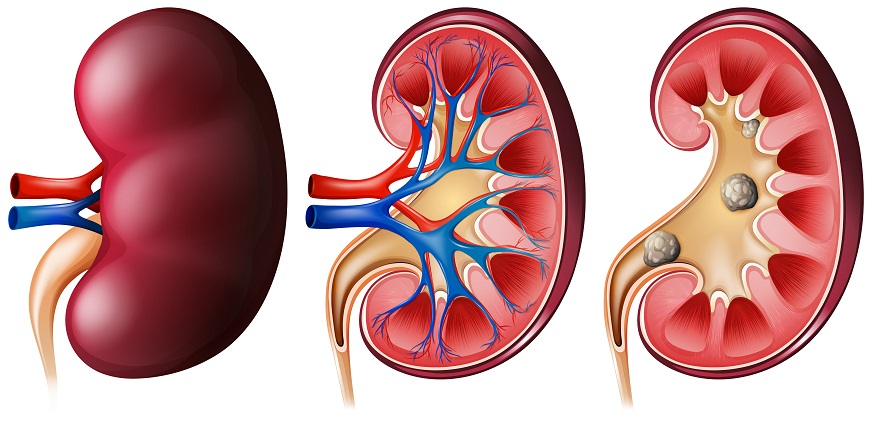
An RFT Test (Renal Function Test) checks how well your kidneys are working. Your kidneys remove waste from your blood and help keep the right balance of water and minerals in your body.
An RFT may include more than one test. Common tests include:
- Creatinine
- Blood Urea Nitrogen (BUN)
- eGFR (estimated Glomerular Filtration Rate)
- Other tests may be added based on the doctor’s advice.
What Is the RFT Test Full Form?
The RFT test full form is Renal Function Test.
“Renal” means related to the kidneys. So, a Renal Function Test is done to check how well the kidneys are working. It may use blood, urine, or both, depending on the tests your doctor has advised.
Why Is an RFT Test Done?
An RFT is done to check kidney function and look for signs of kidney problems. It may also be used to monitor people who already have kidney-related conditions.
A doctor may recommend an RFT if you have:
- High blood pressure
- Diabetes
- Swelling in the body
- Changes in urine
- A family history of kidney disease
- Symptoms that may be linked to kidney problems
- A known kidney condition
Kidney tests can also be used for regular monitoring when recommended by a doctor.
What Tests Are Included in an RFT?
An RFT is usually a group of tests rather than one single test. The exact tests included can differ between laboratories and based on the doctor’s advice.
Common tests include:
| Test | What It Checks |
|---|---|
| Creatinine | Waste product removed by the kidneys |
| BUN | Amount of urea nitrogen in the blood |
| eGFR | Estimates how well the kidneys filter blood |
| Uric Acid | May be checked as part of some kidney-related evaluations |
The exact RFT panel can vary, so check your test report for the tests included.
What Is RFT Test Normal Range?
There is no single normal range for the complete RFT because RFT includes different tests. Each test has its own reference range.
For example:
- BUN: commonly around 6–20 mg/dL
- Creatinine: commonly around 0.6–1.3 mg/dL, but the range can vary based on age, sex, body size and laboratory method.
- eGFR: an eGFR of 90 or higher is generally considered in the normal range in adults, although age and other factors matter.
Always compare your result with the reference range printed on your own laboratory report.
What Is the Normal Creatinine Level?
Creatinine is a waste product that the kidneys remove from the blood. A blood creatinine test is commonly used to check kidney function.
A commonly used adult reference range is approximately:
- Men: 0.7–1.3 mg/dL
- Women: 0.5–0.95 mg/dL
However, creatinine can change with age, sex, body size and muscle mass. Therefore, the reference range on your own report is important.
What Is the Normal BUN Level?
BUN means Blood Urea Nitrogen. It measures the amount of nitrogen in your blood that comes from urea, a waste product made when your body breaks down protein.
A commonly used BUN range is:
6–20 mg/dL
BUN can also change because of dehydration, diet, certain medicines and other health conditions. So, BUN should not be understood alone.
What Is the Normal eGFR Level?
eGFR stands for estimated Glomerular Filtration Rate. It gives an estimate of how well your kidneys filter waste from the blood.
In general:
- 90 or above: usually considered a normal range
- 60–89: may need further evaluation depending on other findings
- Below 60: may indicate reduced kidney function, especially when it remains low over time
- Below 15: may indicate kidney failure
eGFR naturally tends to decrease with age, so one number should not be interpreted without other health information.
What Does a High RFT Value Mean?
A high RFT value does not always mean kidney disease. It depends on which test is high and how much the value has changed.
For example:
- High creatinine may happen when the kidneys are not removing creatinine properly.
- High BUN may be linked to kidney problems, but dehydration, diet and other conditions can also affect it.
- Low eGFR can mean reduced kidney filtering.
Your doctor may look at several results together instead of using one value alone.
What Does a Low RFT Value Mean?
A low RFT value can have different meanings depending on which test is low.
For example, a lower BUN may be linked to a low-protein diet, malnutrition or liver disease. A lower creatinine level can also be seen in people with lower muscle mass.
So, a low value does not automatically mean that your kidneys are unhealthy. The complete report and your health history matter.
What Does High Creatinine Mean?
High creatinine can be a sign that the kidneys are not filtering waste normally. But creatinine can also change because of muscle mass, diet, dehydration and some medicines.
Doctors usually look at creatinine along with eGFR and other test results to understand kidney function better.
One high creatinine result does not by itself confirm kidney disease.
What Does Low eGFR Mean?
A low eGFR means the kidneys may not be filtering blood as well as expected.
However, one low eGFR does not always mean chronic kidney disease. Doctors may repeat the test and check other findings, such as urine protein, to understand the cause.
An eGFR below 60 for three months or more, or an eGFR above 60 with evidence of kidney damage, can indicate chronic kidney disease.
Is Fasting Required for an RFT Test?
Fasting may not always be required for an RFT. It depends on the exact tests included in your panel and whether your doctor has ordered other tests along with it.
If your RFT is being done with tests that require fasting, you may receive separate preparation instructions.
Follow the instructions given by your doctor or laboratory before the test.
How Is the RFT Blood Test Done?
An RFT blood test is simple and usually takes only a few minutes.
The process is:
- A healthcare professional cleans the skin.
- A small needle is used to collect blood from a vein.
- The blood is collected in a tube.
- The sample is sent to the laboratory.
- The results are prepared and shared in the report.
You may feel a small prick when the blood sample is taken.
How to Read an RFT Report?
To read an RFT report, first check which tests are included. Then compare each result with the reference range provided by the laboratory.
Look for:
- Creatinine
- BUN
- eGFR
- Other tests included in your RFT panel
Do not judge kidney health from one number alone. The complete report, symptoms, age, medical history and previous results may all matter.
Can RFT Detect Kidney Problems?
RFT can help doctors check kidney function and identify possible problems. Tests such as creatinine and eGFR give useful information about how well the kidneys are filtering waste.
However, an RFT may not explain the exact cause of an abnormal result. Doctors may recommend additional blood or urine tests when needed.
Who Should Get an RFT Test?
Your doctor may recommend an RFT if you have a higher risk of kidney problems or need to monitor an existing condition.
RFT may be advised for people with:
- Diabetes
- High blood pressure
- Kidney disease
- Heart disease
- A family history of kidney disease
- Symptoms related to kidney or urinary problems
People taking certain medicines may also need kidney function monitoring as advised by their doctor.
How Often Should an RFT Test Be Done?
There is no fixed schedule for everyone. How often you need an RFT depends on your health, medical history and your doctor’s advice.
People with conditions such as diabetes, high blood pressure or known kidney disease may need regular kidney function checks.
If you already have an abnormal result, your doctor may suggest another test after a specific period.
RFT Test vs Kidney Function Test: Are They the Same?
RFT and kidney function tests generally refer to tests used to check kidney health. RFT usually means Renal Function Test, while “kidney function test” is a broader term.
The exact tests included can vary. Common kidney function tests include creatinine, BUN and eGFR, along with urine tests when needed.
Max Lab: How Can We Help?
Max Lab makes it simple to book an RFT Test and get your sample collected conveniently. You can check the test details, book your test online and choose home sample collection where available.
A blood sample is collected by a trained professional and sent to the laboratory for testing. Your RFT report provides the test values and the laboratory reference ranges for easy review.
If your RFT results are outside the reference range, discuss them with your doctor before making any health decisions.
Frequently Asked Questions About RFT Test
1. What is the full form of RFT?
RFT stands for Renal Function Test. It is used to check how well the kidneys are working.
2. What is an RFT blood test?
An RFT blood test checks substances such as creatinine and BUN and may include eGFR to assess kidney function.
3. What is the RFT test normal range?
There is no single RFT normal range because RFT includes different tests. Each test has its own reference range.
4. What is the normal creatinine level?
A commonly used adult range is about 0.7–1.3 mg/dL for men and 0.5–0.95 mg/dL for women, but laboratory ranges can vary.
5. What is the normal eGFR level?
An eGFR of 90 or above is generally considered in the normal range for adults, but age and other factors should be considered.
6. Is fasting needed for an RFT test?
Fasting is not always required. Follow the preparation instructions given by your doctor or laboratory.
7. What does high creatinine mean?
High creatinine may indicate reduced kidney filtration, but other factors can also affect the result.
8. What does low eGFR mean?
A low eGFR may mean that the kidneys are filtering blood less effectively. The result should be interpreted with other findings and medical history.
9. Can an RFT test detect kidney disease?
RFT can help check kidney function and identify possible kidney problems, but additional tests may be needed to confirm the cause.
10. Is RFT a blood test or urine test?
RFT commonly includes blood tests, but doctors may also recommend urine tests to get more information about kidney health.
11. How long does an RFT blood test take?
The blood sample collection usually takes only a few minutes. The report time depends on the laboratory and tests included.
12. Can I book an RFT test at home?
Yes, home sample collection may be available depending on your location and Max Lab service availability.
13. What does RFT test mean?
RFT means Renal Function Test. It is a group of tests used to check how well the kidneys are working.
14. Is a high RFT value always dangerous?
No. An abnormal value can have different causes. Your doctor should review the complete report before deciding what it means.


















 To reach our help desk call 7982100200
.png)
Comments