




Home Sample Collection

Highly Trained Staff & Doctors

Same Day Reports Over Email

Zero Contamination QualiCare Kit

Home > Category > Allergy Test > Allergy Test in Delhi
Showing 1 - 15 of 105
Allergies are an overreaction of the immune system to foreign substances such as dust, pet dander, bee venom, or a food item that does not normally cause a reaction in most people. Many of these allergies are linked to common and severe chronic respiratory problems like asthma and sinusitis.
Allergies affect men and women of all ages, and one can develop them at any point in life. However, family history is a vital factor that can increase the risk of allergies. Sometimes, people suddenly find themselves allergic to a certain food or thing that never bothered them earlier. In many cases, allergies start to develop early in life, during the toddler years. While most of these allergies resolve on their own with time, some remain lifelong concerns. An allergy test in Delhi can identify the allergens that are causing allergies in a person.
There are different types of allergies, and a person may be allergic to diverse substances, such as pollen, mold, dust mites, animal dander, and certain foods. Some of the most common types of allergies are:
Food Allergy
Drug Allergy
Insect Allergy
Skin Allergy
Dust Allergy
Allergic Rhinitis
An allergy occurs when the immune system overreacts to a usually harmless foreign substance, mistaking it for a hazardous invader. The immune system then makes antibodies that stay alert to that specific allergen. When the person is exposed to the allergen again, these antibodies release immune system chemicals like histamine, which cause symptoms. Histamine tightens the muscles in the airways and the walls of the blood vessels. It also signals the lining of the nose to make more mucus, causing further symptoms. Most allergies have a genetic component that parents pass down to their children, though some develop with time. Some common causes of allergies are:
Airborne allergens like dust, pollen, animal dander, etc.
Insect stings from a bee or wasp
Certain foods, especially fish, peanuts, soy, tree nuts, wheat, eggs, shellfish, and milk
Latex or other substances that can lead to allergic skin reactions
Medications, specifically penicillin or penicillin-based antibiotics
Depending on the allergen, a person may have a host of symptoms, such as:
Vomiting
Diarrhea
A swollen tongue
Stomach cramps
Rectal bleeding, mostly in children
Tingling in the mouth
Shortness of breath
Swelling of the face, lips, and throat
Itchiness in the mouth
A runny nose
A blocked or congested nose
Swollen and watery eyes
Itchy eyes and nose
Cough
Rashes
Wheezing
Itchiness
Swelling of the lips, tongue, and face
Itchy skin
Wheezing
Shortness of breath
Restlessness
Inflammation at the sting site
Low blood pressure
Dizziness
Hives or a red itchy rash that spreads across the body
Chest congestion and cough
Anaphylaxis is the most severe type of allergic reaction. It is a medical emergency in which the person needs immediate medical attention and treatment. Symptoms include:
Difficulty breathing
Wheezing
Changes in heart rate
Loss of consciousness
Low blood pressure
Dizziness and fainting
Prevention depends on the type of allergy a person has. However, some common measures are:
Avoid exposure to known allergens
Stay indoors on dry summer days
Take your medicines as prescribed
Get allergy shots
Wear a medical identification bracelet with information about the allergy to stay alert
Go for an allergy screening test to know which substances to avoid
Allergic reactions can be severe, but with proper management they can be controlled, allowing patients to lead regular and productive lives. Many over-the-counter medicines are available that can help control allergy symptoms. However, it is recommended to work with a doctor to find the right medication. Once the allergy test in Delhi is complete and you receive the reports, the doctor will prepare a proper treatment plan for you.
The doctor may prescribe one or more types of allergy tests to find the exact cause of your allergies. Some common types of allergy tests are allergy blood tests, skin prick (scratch) tests, intradermal skin tests, and patch tests.
At Max Lab in Delhi, there is an extensive range of allergy test panels designed to help people take better care of their health. Some common names in the allergy panel tests in Delhi include the allergy profile-comprehensive test, IgE (Immunoglobulin-E) test, allergy PhadiaTop test, allergy individual marker-gluten test, eczema allergy test, food allergy test, Veg food allergy panel and Non Veg food allergy panel, etc. One can select a test based on the type of allergy and the prescription from their doctor.
An allergy test in Delhi can be booked online at a nominal cost from Max Lab. Reports for allergy tests are generated within a day. You can either collect the report from the lab or download it from our website. Once the report is available, it is best to consult the doctor, who can suggest the right course of treatment or prescribe further tests, if required.
An allergy test is a medical procedure used to determine whether a person has an allergic reaction to a specific substance. Allergy tests may be performed by, an immunologist, or another trained healthcare provider.
There are many different types of allergy tests that can be used to diagnose an allergy. The most common allergy test is the skin prick test. This test is usually done by placing a small amount of the allergen on the skin and then pricking the skin with a needle.
The best time to take an allergy test is when you have symptoms that may be caused by an allergy. Allergy tests can be performed at any time of year, but if you have seasonal allergies, you may want to schedule your test during the time of year when your symptoms are the worst.
- One way to lower your allergies is to avoid triggers. If you know that certain foods or environmental factors trigger your allergies, try to avoid them as much as possible.
- Another way to reduce allergens is to keep your home clean and free of dust and pollen. Vacuum regularly and dust with a damp cloth to trap allergens. You may also want to consider an air purifier for your home.
- If avoiding triggers is not enough to lower your allergies, you may need to take medication. Over-the-counter antihistamines can help relieve symptoms of hay fever and other allergies. If your allergies are more severe, you may need prescription-strength medication from your doctor.
If you are considering having an allergy test, it is assured that it is safe!
There are a few things you should do before getting an allergy test.
- First, you should avoid taking antihistamines for at least three days before the test. Histamine can interfere with the results of skin prick tests and blood tests.
- You should also avoid eating or drinking anything for at least 30 minutes before the test. This is because food and drink can also affect the results of skin prick tests.
- Finally, it’s important to tell your doctor about any medications you’re taking, as some of them can also interfere with the results of allergy tests.
If you have never had an allergy test before, your doctor will likely recommend that you fast for at least four hours before the test.
Yes, home sample collection is available for Allergy Tests. One can opt for home collection while booking a test through Max Lab.

Typhus is a group of bacterial infections that is known for its significant i...Read More

As the temperature starts to drop and winter sets in, many people notice a di...Read More

Athlete’s foot, also clinically known as tinea pedis, is a common funga...Read More

If someone’s asthma symptoms are flaring up in sync with seasonal chang...Read More

Fungi are microorganisms that are present almost everywhere, including in the...Read More

A skin rash refers to a condition where the colour or texture of the skin cha...Read More

Ever find yourself feeling pretty rough after a seemingly innocent treat like...Read More

Wheat is a staple in many diets around the world, but for some individuals, i...Read More

Tree nut allergies are becoming increasingly common, affecting people of all ...Read More

...Read More

Imagine spending a beautiful day outdoors, surrounded by nature, when suddenl...Read More

Penicillin allergy is a hypersensitive reaction of the...Read More

The symptoms of food intolerance are often similar to those of food allergies...Read More

A food allergy is an abnormal immune system response triggered by the ingesti...Read More

Eosinophilic asthma is a subtype of asthma that is character...Read More

Pollen allergies, commonly referred to as “hay fever”, can affect...Read More
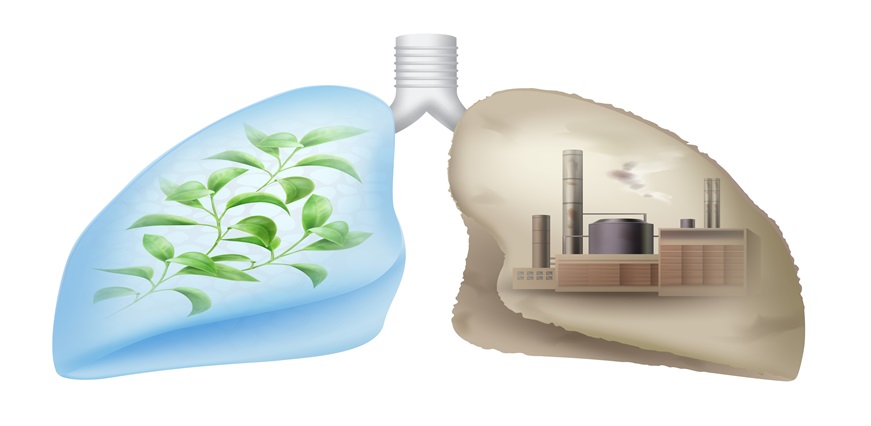
Diwali is one of the most anticipated festivals of the year which celebrates ...Read More
Are you experiencing itchy, red, or scaly skin? It might be more than just a ...Read More

Do you ever experience a nagging pain in your face, accompanied by pressure a...Read More

Do you find yourself sneezing, coughing, and experiencing itchy eyes whenever...Read More

The ESR normal value is the expected range of the erythrocyt...Read More

Are you experiencing itchy, red bumps on your skin that seem to appear out of...Read More

What is an Allergy? An allergy is your body&rsqu...Read More

Skin allergies are one of the most common sources of discomfort, causing symp...Read More
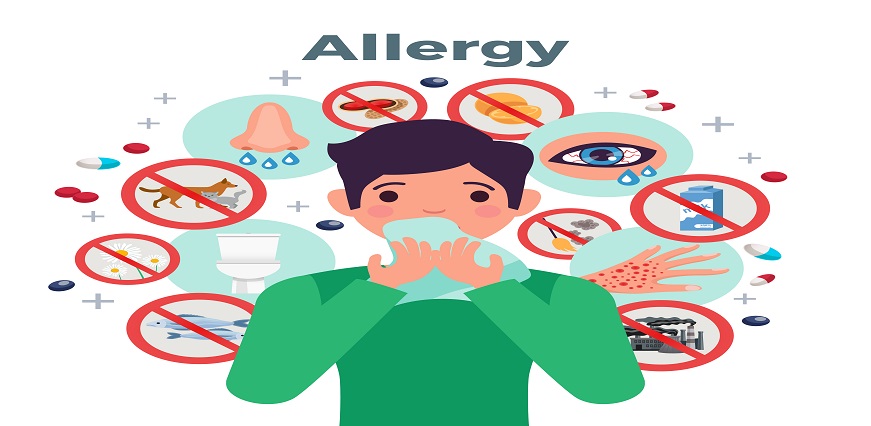
An overreaction of the body’s immune system to an allergen or trigger i...Read More
.png)

 SORT











 To reach our help desk call 7982100200