









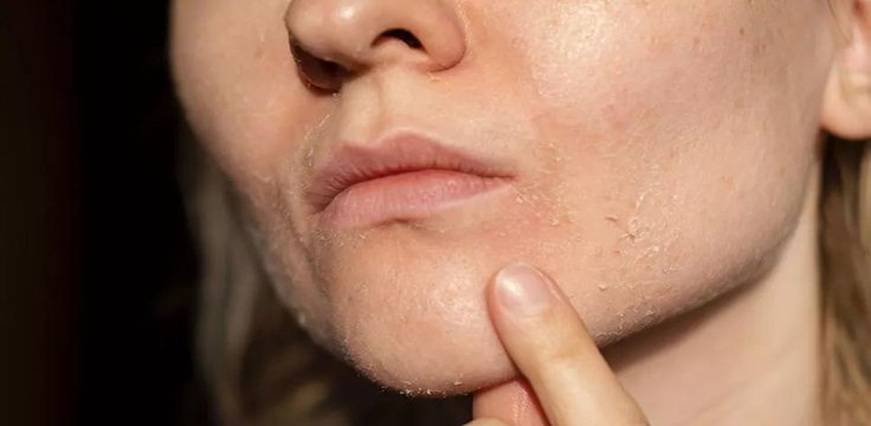
As the temperature starts to drop and winter sets in, many people notice a different kind of itchiness on the skin. This is often followed by extreme dryness and small patches of flaky skin. Known as winter rash, this is one of the most common conditions people deal with in this season, and it is. It can cause major discomfort, especially when persistent and not taken care of.
Here is a detailed guide on winter rash, including its causes, symptoms, treatment, and prevention.
What Is a Winter Rash?
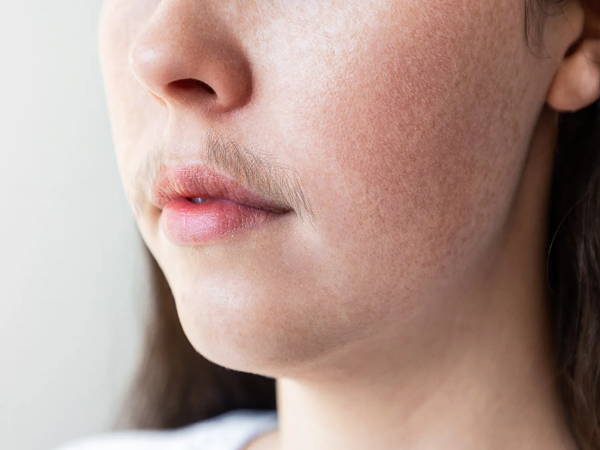
A winter rash is a common skin condition that causes dryness, itching, redness, flaking, and irritation during colder months. It usually develops when cold outdoor air, low humidity, indoor heating, and frequent hot showers reduce moisture in the skin. Using a gentle moisturiser, avoiding harsh skincare products, and protecting your skin from cold weather can help relieve symptoms and prevent further irritation.
Winter rash can affect people of all ages, particularly those with dry or sensitive skin. It commonly appears on the hands, arms, legs, cheeks, and other areas exposed to cold air. In some cases, winter dryness can worsen existing skin conditions, such as eczema.
Although mild winter rash often improves with regular skincare, persistent or severe symptoms may require medical evaluation to identify the underlying cause.
What Causes Winter Rash?
Winter rash usually develops when the skin's natural moisture barrier becomes dry or damaged. Several environmental and lifestyle factors can contribute to this problem.
1. Cold Weather and Low Humidity
Cold outdoor air often contains less moisture, while indoor heating can further reduce humidity. These conditions increase moisture loss from the skin, leaving it rough, tight, and itchy.
2. Hot Showers and Baths
Long, hot showers may feel comforting in winter, but hot water can remove the natural oils that help protect the skin. Frequent exposure may worsen dryness and increase skin irritation.
3. Harsh Soaps and Skincare Products
Strong cleansers, fragranced soaps, alcohol-based products, and certain detergents can irritate sensitive skin. Using these products repeatedly may weaken the skin barrier and contribute to winter skin problems.
4. Existing Skin Conditions
People with eczema, atopic dermatitis, or naturally dry skin may experience more frequent flare-ups during winter. Cold weather and low humidity can aggravate itching, redness, and inflammation.
5. Cold Wind and Friction
Cold winds can irritate exposed skin, especially on the face and hands. Rough clothing, wool, and repeated rubbing may also worsen irritation in people with sensitive skin.
6. Frequent Handwashing
Repeated washing with hot water and strong cleansers can remove protective skin oils. This is particularly noticeable on the hands, where dryness may lead to redness, itching, and painful cracks.
What Are the Common Symptoms of Winter Rash?
The symptoms of winter rash vary depending on the cause, the affected area, and the severity of skin irritation.
Common symptoms include:
-
Dry and flaky skin: The skin may feel rough, tight, or appear scaly.
-
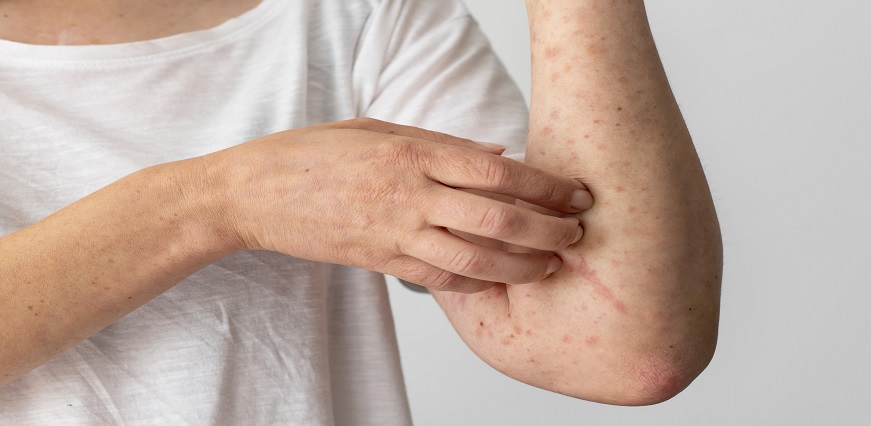
Itching: Persistent itching can become more noticeable after bathing or spending time in heated rooms.
-
Redness: Irritated areas may appear red or inflamed.
-
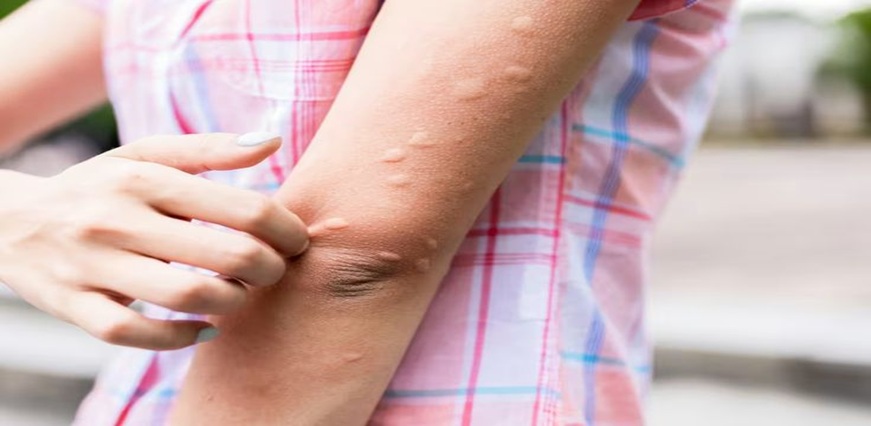
Small bumps: Some people develop rough patches or small bumps on affected areas.
-
Cracked skin: Severe dryness can cause painful cracks, especially on the hands, fingers, and heels.
-
Burning or stinging: Damaged skin may sting when exposed to water or skincare products.
-
Thickened skin: Repeated scratching can make affected areas rougher and more irritated.
Winter rash commonly affects the hands, lower legs, arms, and face. However, symptoms alone cannot always distinguish simple dry skin from eczema, contact dermatitis, or another skin condition.
How to Treat a Winter Rash
Most mild cases of winter rash can be managed with gentle skincare and by reducing exposure to irritating conditions. The right approach depends on the cause and severity of the rash.
1. Use a Moisturiser Regularly
Moisturising helps restore the skin's protective barrier and reduce moisture loss. Choose a fragrance-free cream or ointment containing ingredients such as ceramides, glycerin, or petrolatum.
For better results:
-
Apply moisturiser immediately after bathing, while the skin is slightly damp.
-
Reapply throughout the day, especially after washing your hands.
-
Choose thicker creams or ointments if your skin is extremely dry.
-
Avoid products that cause stinging or worsen irritation.
2. Take Short, Lukewarm Showers
Use lukewarm rather than hot water and keep showers relatively short. Gently pat your skin dry with a soft towel instead of rubbing it.
A mild, fragrance-free cleanser can help clean the skin without unnecessarily stripping away its natural oils.
3. Avoid Scratching the Rash
Scratching can damage the skin, increase inflammation, and raise the risk of infection. To soothe itching, try a cool compress for a few minutes and apply a suitable moisturiser.
Keeping your nails short may also help minimise skin damage from accidental scratching.
4. Protect Your Skin from Cold Weather
Wear gloves when outdoors and cover exposed skin during cold or windy conditions. Choose soft, comfortable fabrics that do not rub against irritated areas.
If wool or synthetic fabrics make your rash worse, consider wearing a soft cotton layer underneath.
5. Add Moisture to Indoor Air
Indoor heating can make the air dry during winter. A clean humidifier may help maintain indoor humidity and reduce moisture loss from the skin.
Follow the manufacturer's cleaning instructions to prevent mould and microbial growth.
6. Choose Gentle Skincare Products
Avoid harsh exfoliants, strongly fragranced lotions, and products that aggravate your symptoms. A simple skincare routine is often more suitable for dry, sensitive skin.
If your rash is severe, persistent, or linked to an underlying skin condition, consult a dermatologist before using medicated creams. Treatment may involve specific medicines depending on the diagnosis.
How to Prevent Winter Rash
Preventing winter rash mainly involves keeping the skin moisturised, protecting its natural barrier, and reducing exposure to irritants.
Follow these practical winter skincare tips:
-
Moisturise every day: Apply a suitable cream or ointment after bathing and whenever your skin feels dry.
-
Avoid hot water: Use lukewarm water for showers and handwashing.
-
Choose mild cleansers: Prefer fragrance-free products designed for sensitive skin.
-
Wear protective clothing: Cover your hands and exposed skin when going outside in cold weather.
-
Use gentle laundry products: Choose detergents that do not irritate your skin and rinse clothes thoroughly.
-
Avoid excessive exfoliation: Scrubs and strong exfoliating products may worsen dryness and irritation.
-
Maintain indoor humidity: Use a clean humidifier when indoor air becomes excessively dry.
-
Stay hydrated: Drink enough fluids to support overall health, while remembering that moisturising directly helps protect the skin barrier.
-
Follow a consistent routine: Regular skincare can help prevent recurring dryness during the colder months.
These habits can reduce winter-related skin irritation, although people with eczema or other skin conditions may need additional care.
Is a Winter Rash a Sign of Another Skin Condition?
Sometimes, what appears to be a winter rash is caused by a specific skin condition rather than simple dryness. Recognising the differences can help you understand when medical advice may be necessary.
Winter Dry Skin
Winter dry skin typically causes roughness, flaking, tightness, and mild itching. It often improves with regular moisturising and reduced exposure to hot water.
Eczema
Eczema can cause intense itching, redness, dryness, and inflamed patches. Symptoms may worsen in cold weather, and some people experience recurring flare-ups.
Contact Dermatitis
Contact dermatitis develops when the skin reacts to an irritant or allergen, such as a detergent, fragrance, or skincare ingredient. The affected area may become itchy, red, swollen, or blistered.
Other Causes of Skin Rashes
Not every rash that appears during winter is caused by dry weather. Infections, allergic reactions, and other skin conditions can produce similar symptoms.
If a rash spreads quickly, causes significant pain, develops blisters or pus, or fails to improve with basic skincare, seek medical advice rather than assuming it is a winter rash.
When Should You See a Doctor for a Winter Rash?
Mild winter rash often responds to moisturising and gentle skincare. However, professional evaluation is important when symptoms are severe, persistent, or unusual.
Consult a healthcare professional if you experience:
-
A rash that continues despite regular moisturising.
-
Severe or persistent itching that affects sleep.
-
Painful cracks, bleeding, or significant swelling.
-
A rash that spreads or repeatedly returns.
-
Symptoms that interfere with daily activities.
-
Suspected infection, including increasing warmth, pus, or worsening pain.
Seek urgent medical attention if a rash is accompanied by difficulty breathing, swelling of the lips or tongue, or other signs of a severe allergic reaction.
A doctor or dermatologist can examine the affected skin, identify possible triggers, and recommend suitable treatment. Depending on the cause, treatment may include prescription medication or other targeted care.
Conclusion
A winter rash is a common skin concern during colder months, often resulting from dry air, low humidity, and a weakened skin moisture barrier. Following a regular winter skincare routine, using fragrance-free moisturisers, avoiding hot showers, and protecting your skin from cold weather can help reduce dryness and irritation. If symptoms persist or worsen despite proper care, consult a healthcare professional to identify the underlying cause and receive appropriate treatment. With the right preventive measures, you can keep your skin healthier and more comfortable throughout winter.
















 To reach our help desk call 7982100200
.png)