









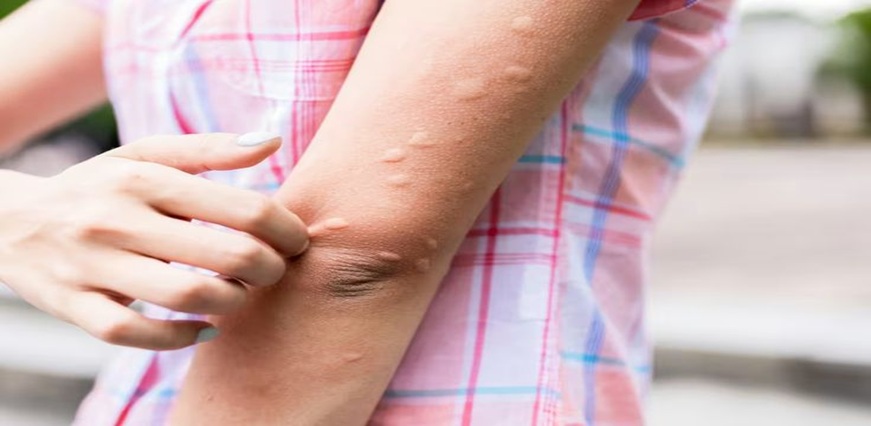
Typhus is a group of bacterial infections that is known for its significant impact on health. There are several different types of typhus, and all of them cause similar symptoms. Some common ones include high fever, chills, cough, etc. Sometimes, it also leads to rashes, body aches, and digestive issues. Scrub typhus is one of these infections, and it is commonly transmitted by fleas, lice, etc.
Here is a detailed guide on this bacterial infection that includes the causes, symptoms and treatment of scrub typhus, along with its risk factors and prevention.
What Is Scrub Typhus?
Scrub typhus, also known as bush typhus, is an infectious disease caused by the bacterium Orientia tsutsugamushi. It belongs to a group of bacterial infections known as rickettsial diseases.
Unlike some infections that spread directly from one person to another, scrub typhus is generally acquired from the environment through the bite of an infected chigger.
Chiggers are extremely small larval mites that may live in areas with vegetation, grass, bushes, leaf litter, and other suitable habitats. A person may not notice the bite because chiggers are very small and their bites are often painless.
After entering the body, the bacteria can multiply and affect blood vessels and different organs. The resulting inflammation can cause the fever, rash, body aches, and other symptoms associated with scrub typhus.
What Causes Scrub Typhus?
Scrub typhus is caused by Orientia tsutsugamushi.
The bacterium is maintained in mite populations and is transmitted to humans through the bite of an infected larval mite, commonly called a chigger.
How Does Transmission Occur?
When an infected chigger bites a person, the bacteria can enter the body through the bite site. The risk of infection is associated with exposure to environments where infected mites are present.
Scrub typhus is not usually spread directly from one person to another.
It is also important to distinguish scrub typhus from other conditions commonly referred to as typhus. Different typhus infections have different causes and modes of transmission.
For example, scrub typhus is transmitted by infected mites, while epidemic typhus is associated with body lice.
What Are the Symptoms of Scrub Typhus?
Symptoms can vary from person to person. The illness often begins with flu-like symptoms and may become more noticeable over several days.
Common symptoms include:
- High fever
- Chills
- Headache
- Muscle and body aches
- Weakness and fatigue
- Skin rash
- Nausea
- Vomiting
- Abdominal pain
- Swollen lymph nodes
- Cough
- Confusion in severe cases
- Eschar at the bite site in some patients
Because these symptoms overlap with several other infections, medical evaluation may be necessary to determine the cause.
High Fever
Fever is one of the most common symptoms of scrub typhus. It may develop suddenly and can be accompanied by chills, sweating, weakness, and body aches.
Persistent or unexplained fever following outdoor exposure should not be ignored, particularly in areas where scrub typhus occurs.
Headache and Body Aches
Headache, muscle pain, and generalized body aches are frequently reported. These symptoms can initially resemble influenza or other febrile illnesses.
Skin Rash
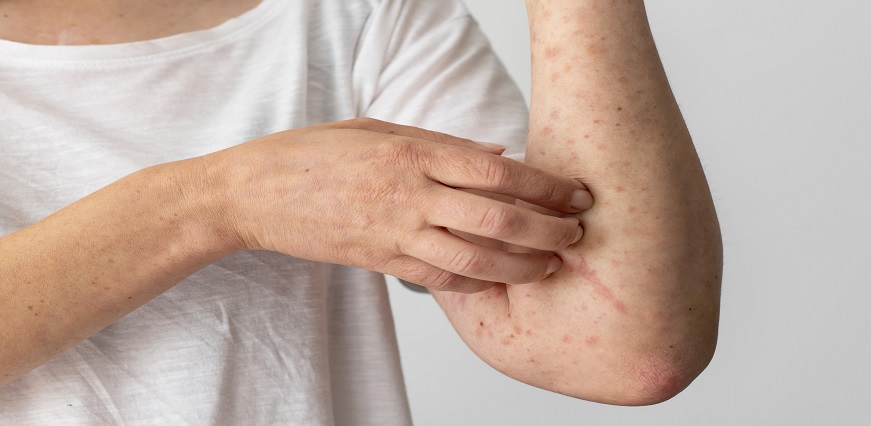
Some people develop a rash during the illness. It may appear on the trunk and can spread to other parts of the body.
A rash is not specific to scrub typhus, so it needs to be considered alongside other symptoms and the person's exposure history.
Nausea, Vomiting and Abdominal Symptoms
Digestive symptoms such as nausea, vomiting, and abdominal discomfort can occur. These symptoms may sometimes be mistaken for a gastrointestinal infection.
Swollen Lymph Nodes
The lymph nodes may become enlarged or tender as the immune system responds to the infection.
Eschar
An eschar is a dark, scab-like lesion that can develop at the site where an infected chigger has bitten the person.
An eschar can be an important clinical clue, but not everyone with scrub typhus develops one. Therefore, the absence of an eschar does not rule out the infection.
When Do Scrub Typhus Symptoms Appear?
Symptoms generally do not appear immediately after exposure. There is an incubation period between the bite and the development of illness.
The exact timing can vary, but symptoms commonly develop within approximately 6–21 days after exposure.
This delay means that a person may not remember the specific bite or may not associate their symptoms with a previous outdoor activity.
For this reason, tell your doctor if you have recently spent time in areas with grass, bushes, dense vegetation, farmland, or other environments where mites may be present.
What Is an Eschar in Scrub Typhus?
An eschar is a dark, crusted or scab-like skin lesion that can occur at the site of an infected mite bite.
It may initially resemble an ordinary wound or insect bite. The lesion can develop as the infection progresses and may be accompanied by nearby swelling of the lymph nodes.
Although an eschar can help doctors suspect scrub typhus, it is not present in every patient. Therefore, diagnosis should not depend solely on finding this lesion.
Who Is at Risk of Scrub Typhus?
The risk of scrub typhus is primarily related to exposure to environments where infected mites live.
People who may have increased exposure include:
- Individuals who work or spend time outdoors
- Farmers and agricultural workers
- Forestry workers
- People who camp or hike in affected areas
- People working in fields or areas with dense vegetation
- Individuals living in regions where scrub typhus is endemic
- People who frequently work around grass, bushes, and leaf litter
The infection can affect people of different ages. Risk depends more on environmental exposure than on age alone.
Where Is Scrub Typhus Commonly Found?
Scrub typhus occurs mainly in parts of the Asia-Pacific region.
It is associated with environments where the mite vectors can survive. Risk may vary between locations and seasons depending on environmental conditions.
In India, scrub typhus is an important cause of acute fever in several regions. Because symptoms can resemble other infections that cause fever, healthcare professionals may consider scrub typhus when evaluating a patient with compatible symptoms and relevant environmental exposure.
How Is Scrub Typhus Diagnosed?
Diagnosing scrub typhus can be challenging because its symptoms overlap with other infections.
A healthcare professional may begin by reviewing:
- The duration and pattern of fever
- Other symptoms
- Recent outdoor or environmental exposure
- Travel history
- Presence of rash
- Presence of an eschar
- Physical examination findings
Laboratory tests can help support or confirm the diagnosis.
Blood Tests
Blood-based tests may be used to detect evidence of infection. Depending on the stage of illness and the test being used, testing may look for antibodies or other evidence associated with Orientia tsutsugamushi.
Different tests have different advantages and limitations, and the timing of testing can influence the results.
Molecular Tests
In some settings, molecular methods such as PCR may be used to detect bacterial genetic material. Availability varies between laboratories and healthcare facilities.
Why Early Diagnosis Matters
Scrub typhus can progress rapidly in some patients. Therefore, a healthcare professional may start treatment based on the clinical picture when scrub typhus is strongly suspected rather than waiting for every laboratory result.
What Is the Treatment for Scrub Typhus?
Scrub typhus is treatable with appropriate antibiotics.
Commonly used treatments include antibiotics such as doxycycline, although the choice of treatment depends on factors such as the patient's age, pregnancy status, clinical severity, allergies, local medical guidance, and other individual considerations.
Other antibiotics may be considered in particular circumstances.
Treatment should always be prescribed and monitored by a qualified healthcare professional. Do not take antibiotics without medical advice or use leftover medication.
Why Early Treatment Is Important
When treatment is started promptly, recovery is generally more likely and the risk of severe complications can be reduced.
Delaying treatment can allow the infection to progress and may increase the risk of organ involvement.
What Are the Complications of Scrub Typhus?
Many people recover with appropriate treatment, but severe or untreated infection can result in complications.
Possible complications include:
1. Lung Complications
Severe scrub typhus can affect the lungs and may lead to breathing difficulties. In serious cases, inflammation and fluid accumulation can contribute to severe respiratory problems, including acute respiratory distress.
2. Heart Complications
The infection may affect the cardiovascular system. In severe cases, inflammation involving the heart can occur and may contribute to abnormal heart rhythms or reduced cardiac function.
3. Liver Problems
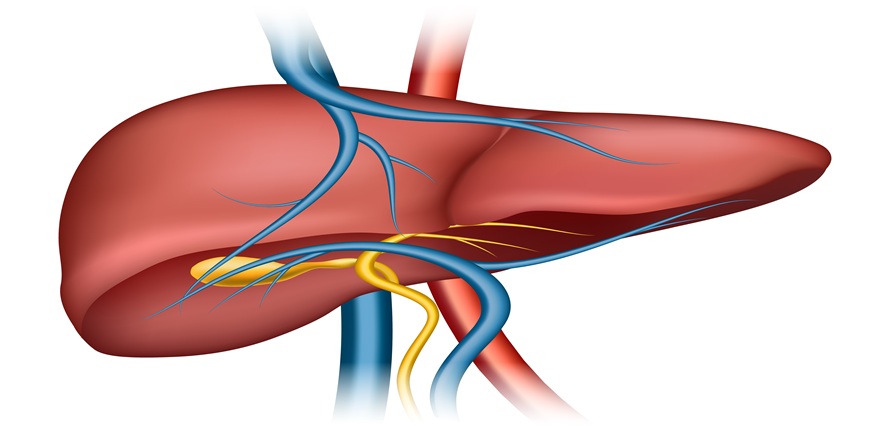
Liver involvement can occur during severe infection. Patients may experience abdominal discomfort, nausea, vomiting, or abnormal liver function tests.
4. Kidney Injury
Severe scrub typhus can affect kidney function and may lead to acute kidney injury in some patients. Prompt diagnosis and treatment are important to reduce the risk of serious complications.
5. Neurological Complications
In some cases, the infection can affect the nervous system. Severe disease may cause confusion, altered consciousness, seizures, or other neurological problems.
6. Bleeding Problems
Severe infection can affect blood vessels and clotting mechanisms. In complicated cases, bleeding abnormalities may occur and require urgent medical management.
7. Multiple Organ Dysfunction
In severe cases, inflammation and infection can affect several organs simultaneously. This is one reason why persistent high fever and other symptoms should be evaluated promptly.
Scrub Typhus During Pregnancy
Pregnant individuals with suspected scrub typhus should seek medical attention promptly.
Untreated or severe infection during pregnancy may increase the risk of complications for both the mother and baby. Treatment choices also need to take pregnancy into account because not every antibiotic is appropriate during pregnancy.
Pregnant individuals should therefore avoid self-medication and consult a healthcare professional as soon as possible if they develop symptoms following possible exposure.
How Can Scrub Typhus Be Prevented?
There is currently no widely available vaccine that provides routine protection against scrub typhus. Prevention therefore focuses primarily on reducing exposure to infected mites.
1. Avoid Areas With Heavy Vegetation When Possible
If you are in a region where scrub typhus occurs, take extra precautions in areas with dense grass, bushes, leaf litter, and other vegetation.
2. Wear Protective Clothing
When spending time outdoors, wear long-sleeved shirts, long trousers, socks, and closed footwear to reduce exposed skin.
3. Use Appropriate Insect Repellent
An appropriate insect or mite repellent can help reduce the chance of bites. Follow the product label carefully when applying repellents.
4. Keep Grass and Vegetation Under Control
Keeping areas around homes and workplaces maintained can help reduce environments that may support mite populations.
5. Avoid Sitting Directly on the Ground
When outdoors in areas where scrub typhus is known to occur, avoid sitting or lying directly on vegetation or leaf litter.
6. Shower After Outdoor Exposure
Taking a shower after spending time outdoors and changing clothes can be part of good personal hygiene and may help remove mites that may be present on the body or clothing.
7. Wash Outdoor Clothing
Clothes worn during outdoor activities should be washed appropriately after use, particularly when visiting areas where scrub typhus is known to occur.
What Should You Do If You Develop Symptoms After Outdoor Exposure?
If you develop a high fever, headache, body aches, rash, nausea, vomiting, or unusual weakness after spending time in an area where scrub typhus occurs, consult a healthcare professional.
Be sure to mention:
- Where you recently travelled or spent time
- Whether you worked or walked through vegetation
- Whether you noticed an insect or mite bite
- Whether you developed a dark scab-like skin lesion
- When your symptoms started
- Whether you have taken any medicines
Providing this information can help your healthcare provider consider scrub typhus alongside other possible causes of fever.
Scrub Typhus vs Other Typhus Infections
The word “typhus” can refer to several different infections, which can sometimes cause confusion.
Scrub typhus is caused by Orientia tsutsugamushi and is transmitted primarily by infected chiggers.
Other typhus infections have different bacterial causes and transmission routes. For example, epidemic typhus is associated with body lice, while murine typhus is associated with fleas.
Therefore, identifying the specific type of infection is important because the source of exposure, diagnosis, and management may differ.
Conclusion
Scrub typhus is a bacterial infection caused by Orientia tsutsugamushi and transmitted primarily through the bite of infected chiggers. It can begin with symptoms such as high fever, headache, chills, body aches, nausea, vomiting, and rash. Some people may develop an eschar at the bite site, although this finding is not present in every case.
People who spend time in areas with dense vegetation, grass, bushes, or other suitable mite habitats should take precautions to reduce exposure. Wearing protective clothing, using appropriate repellents, avoiding direct contact with vegetation, and maintaining personal hygiene after outdoor activities can help reduce the risk.
Most importantly, persistent fever following possible environmental exposure should not be ignored. Early diagnosis and appropriate antibiotic treatment are essential, particularly because untreated scrub typhus can lead to complications involving the lungs, heart, liver, kidneys, brain, and other organs.
If you develop symptoms that could indicate scrub typhus, consult a healthcare professional promptly for appropriate evaluation and treatment.
















 To reach our help desk call 7982100200
.png)
Comments