







Piles, also called haemorrhoids, are swollen blood vessels in and around the anus or lower rectum. They can cause pain, itching, swelling, and bleeding during bowel movements. The good news is that simple home remedies for piles can help relieve mild symptoms and make bowel movements easier.
Eating more fibre, drinking enough water, taking warm baths, and avoiding straining while passing stool may help manage piles at home. However, these steps may not be enough for severe or long-lasting symptoms.
In this blog, we will explain the best home remedies for piles, foods to eat, habits to avoid, and when to seek medical care.
What Are Piles?
Piles are swollen veins in the lower part of the rectum or around the anus. They can develop when pressure in this area increases, often due to constipation, straining, or spending too much time on the toilet.
There are two main types of piles:
1. Internal Piles
Internal piles develop inside the rectum. They are often painless but may cause bright red blood during bowel movements. Sometimes, they can move outside the anus.
2. External Piles
External piles develop under the skin around the anus. They may cause itching, swelling, discomfort, or pain, especially when a blood clot forms inside them.
Not every case of rectal bleeding or anal pain is caused by piles. Other conditions can cause similar symptoms, so a medical check-up may be needed.
What Are the Best Home Remedies for Piles?
The best home remedies for piles focus on reducing pressure during bowel movements, softening stool, and easing discomfort. These methods can help with mild symptoms, but they do not cure every case.
1. Eat More Fibre-Rich Foods
Fibre helps soften stool and makes it easier to pass. This can reduce straining and may help prevent piles from getting worse.
Include these foods in your daily diet:
-
Whole grains such as oats and whole-wheat roti.
-
Fruits such as pears, apples, and papaya.
-
Vegetables such as spinach, carrots, and beans.
-
Pulses such as dal, chickpeas, and rajma.
-
Seeds and nuts in suitable portions.
Increase fibre slowly. Adding too much fibre too quickly may cause gas or bloating.
2. Drink Enough Water
Drinking enough fluids helps fibre work properly and may prevent hard stools.
Drink water regularly throughout the day. Your fluid needs depend on your activity, weather, health, and other factors.
People who have been told to limit fluids because of heart or kidney problems should follow their doctor's advice.
3. Take a Warm Sitz Bath
A sitz bath means sitting in a small amount of warm water to soothe the area around the anus.
How to do it:
-
Fill a clean bathtub or sitz bath basin with comfortably warm water.
-
Sit in the water for about 10–15 minutes.
-
Repeat a few times a day, especially after bowel movements, if it helps.
-
Gently pat the area dry with a soft towel.
Use warm, not hot, water. Avoid adding perfumes, harsh soaps, or irritating substances.
A warm sitz bath may ease pain, itching, and discomfort, but it does not remove piles.
4. Avoid Straining During Bowel Movements
Straining puts extra pressure on the veins around the anus and can make piles worse.
To reduce straining:
-
Go to the toilet when you feel the urge.
-
Avoid pushing hard to pass stool.
-
Do not sit on the toilet for longer than needed.
-
Try to keep your bowel movements regular.
-
Address constipation early.
If you regularly struggle to pass stool, speak to a healthcare professional about suitable ways to manage constipation.
5. Apply a Cold Pack for Swelling
A cold pack wrapped in a clean towel may help reduce swelling and discomfort around external piles.
Apply it gently for a short period, such as 5–10 minutes, and remove it if the skin feels painful or numb.
Never place ice directly on your skin. A cold pack may provide temporary relief, but it does not treat the underlying cause.
6. Keep the Area Clean and Dry
Gentle cleaning can help reduce irritation and itching.
-
Clean the area with lukewarm water after bowel movements.
-
Avoid rubbing the skin.
-
Pat dry gently with a soft towel.
-
Avoid scented wipes, strong soaps, and products that cause burning.
-
Wear comfortable, breathable underwear.
Keeping the area clean can improve comfort, but excessive washing or scrubbing may worsen irritation.
7. Stay Physically Active
Regular movement can help support bowel regularity and reduce the effects of a sedentary lifestyle.
Try gentle activities such as walking, according to your comfort and health needs.
Avoid activities that cause significant pain, and seek medical advice if exercise makes your symptoms worse.
8. Use Toilet Habits That Reduce Pressure
Small changes in your bathroom routine can help prevent further irritation.
-
Respond to the urge to pass stool instead of delaying it.
-
Avoid scrolling on your phone while sitting on the toilet.
-
Do not force a bowel movement.
-
Use a comfortable position that allows stool to pass without excessive straining.
These habits are particularly useful for people who have constipation or recurrent piles.
Which Foods Should You Eat for Piles?
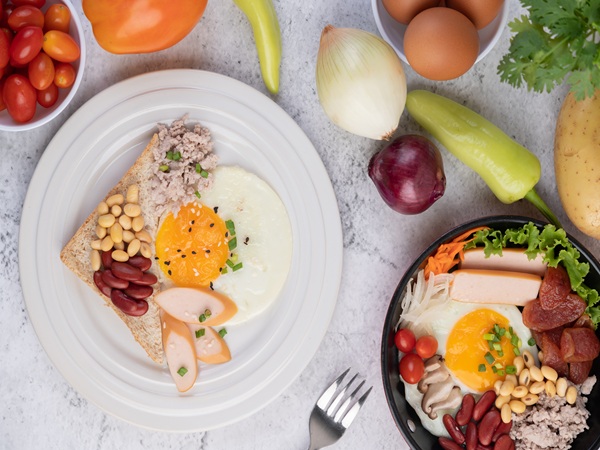
A fibre-rich diet is one of the most useful ways to manage constipation associated with piles. It helps make stool softer and easier to pass.
| Food group | Examples | How it helps |
|---|---|---|
| Fruits | Papaya, pears, apples, oranges | Provide fibre and water |
| Vegetables | Carrots, spinach, peas, beans | Add fibre and nutrients |
| Whole grains | Oats, whole-wheat roti, whole-grain cereals | Help support regular bowel movements |
| Pulses | Dal, chickpeas, rajma | Provide fibre and plant protein |
| Nuts and seeds | Almonds, chia seeds, flaxseeds | Add fibre and healthy fats |
| Fluids | Water and other suitable drinks | Help prevent hard stools |
You do not need a special or expensive diet. Everyday Indian foods such as dal, vegetables, whole-wheat roti, fruit, and oats can help increase your fibre intake.
Which Foods Should You Limit if You Have Piles?
There is no single food that causes piles in everyone. However, some eating habits can make constipation worse or irritate your digestive system.
Consider the following:
-
Low-fibre foods: A diet with too little fibre can contribute to hard stools.
-
Highly processed foods: Many packaged snacks and fast foods contain little fibre.
-
Excessive alcohol: Alcohol can affect hydration and may worsen symptoms in some people.
-
Foods that trigger your symptoms: Very spicy foods may cause discomfort or burning for some people, although they do not directly cause piles.
You do not need to avoid every spicy food or follow a highly restrictive diet. Focus on fibre, suitable fluid intake, and foods that agree with your body.
What Home Remedies Should You Avoid for Piles?
Not every remedy described as natural is safe or effective. Some substances may irritate sensitive skin around the anus.
Avoid applying the following directly to piles unless a healthcare professional specifically recommends a product:
-
Lemon juice or vinegar.
-
Garlic or raw onion.
-
Undiluted essential oils.
-
Strong antiseptics or harsh soaps.
-
Unverified herbal mixtures or products that cause burning.
Do not insert home remedies into the anus. They may damage the skin or worsen inflammation.
Over-the-counter piles creams may provide short-term symptom relief, but some products can cause irritation or other side effects. Ask a pharmacist or doctor which product is suitable, and follow its instructions.
Do not use steroid-containing creams for longer than directed without medical advice.
How Long Do Home Remedies for Piles Take to Work?
Mild piles may improve within a few days of making suitable changes to your diet and toilet habits. The time needed depends on the type of piles, the severity of symptoms, and whether constipation continues.
Home care may help reduce:
-
Pain and discomfort.
-
Itching and irritation.
-
Swelling.
-
Straining during bowel movements.
However, large piles, prolapsed piles, or piles with a blood clot may need medical treatment.
If symptoms do not improve after about a week of home care, keep returning, or become worse, arrange a medical assessment. Seek advice sooner if you have bleeding or significant pain.
When Should You See a Doctor for Piles?
You should see a healthcare professional if you have rectal bleeding, ongoing pain, a lump around the anus, or repeated symptoms.
Do not assume that rectal bleeding is always caused by piles. Anal fissures, bowel inflammation, and other digestive conditions can cause similar symptoms.
Seek urgent medical care if you experience:
-
Heavy or continuous bleeding.
-
Black, tarry stools.
-
Dizziness, fainting, or marked weakness with bleeding.
-
Severe or rapidly worsening anal pain.
-
Fever or pus around the anus.
A doctor may examine the area and ask about your symptoms, bowel habits, and medical history. Depending on your age, symptoms, and risk factors, further tests may be needed.
How Are Piles Diagnosed?
Piles are usually diagnosed through a medical history and physical examination. A doctor may inspect the area around the anus and, when appropriate, perform a gentle rectal examination or use a small instrument to look inside the anal canal.
Additional tests are not needed for every person with piles. However, a doctor may recommend further investigation if the bleeding is unexplained, symptoms persist, or another condition needs to be ruled out.
Can a Blood Test Detect Piles?
A blood test cannot directly confirm piles. However, if you have repeated or significant rectal bleeding, a doctor may recommend a Complete Blood Count (CBC) to check for anaemia.
A CBC measures haemoglobin and other blood components. It can help assess the effects of blood loss, but a normal result does not rule out piles or other causes of bleeding.
The right tests depend on your symptoms and your doctor's assessment.
How Can Max Lab Help?
If you have repeated rectal bleeding, weakness, or unusual tiredness, a healthcare professional may recommend blood tests to check your health.
Max Lab offers diagnostic testing services that may support your doctor's assessment.
-
Complete Blood Count (CBC) Test: Measures haemoglobin and other blood components and may help assess anaemia associated with blood loss.
-
Explore diagnostic tests: Browse available tests based on your healthcare needs.
-
Home sample collection services: Check whether home sample collection is available in your area.
Remember, a CBC does not diagnose piles. You may need an examination by a doctor to identify the cause of rectal bleeding.
Conclusion
The best home remedies for piles focus on relieving discomfort, preventing constipation, and reducing pressure during bowel movements. Eating more fibre, drinking enough water, taking warm sitz baths, and avoiding straining can help manage mild symptoms.
However, home remedies are not suitable for every case. Persistent pain, repeated bleeding, or severe symptoms need medical attention. A doctor can confirm whether you have piles and recommend the right treatment. If blood tests are needed to assess possible anaemia, Max Lab can help you explore relevant diagnostic services.






 To reach our help desk call 7982100200
.png)