




Home Sample Collection

Highly Trained Staff & Doctors

Same Day Reports Over Email

Zero Contamination QualiCare Kit


Home > Category > Fever Test > Fever Test in Muzaffar nagar

Showing 1 - 15 of 54
Fever is one of the most common symptoms of infections caused by viruses, bacteria, or parasites. While mild fever may resolve on its own, persistent or high-grade fever can indicate an underlying medical condition that requires prompt diagnosis. A fever profile test in Muzaffar Nagar helps identify the exact cause of fever, enabling doctors to recommend the right treatment before the infection becomes severe.
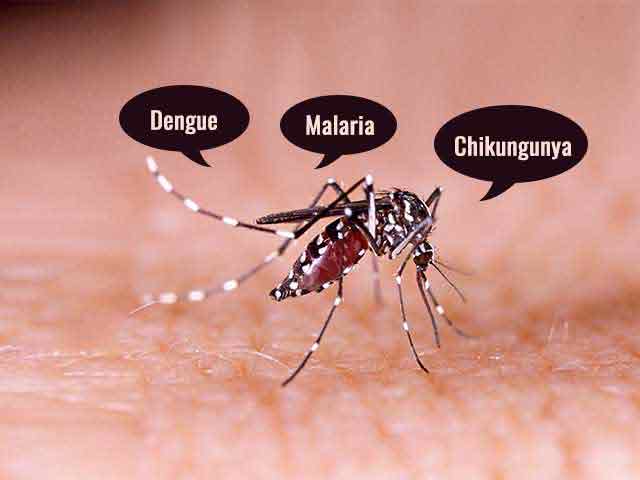
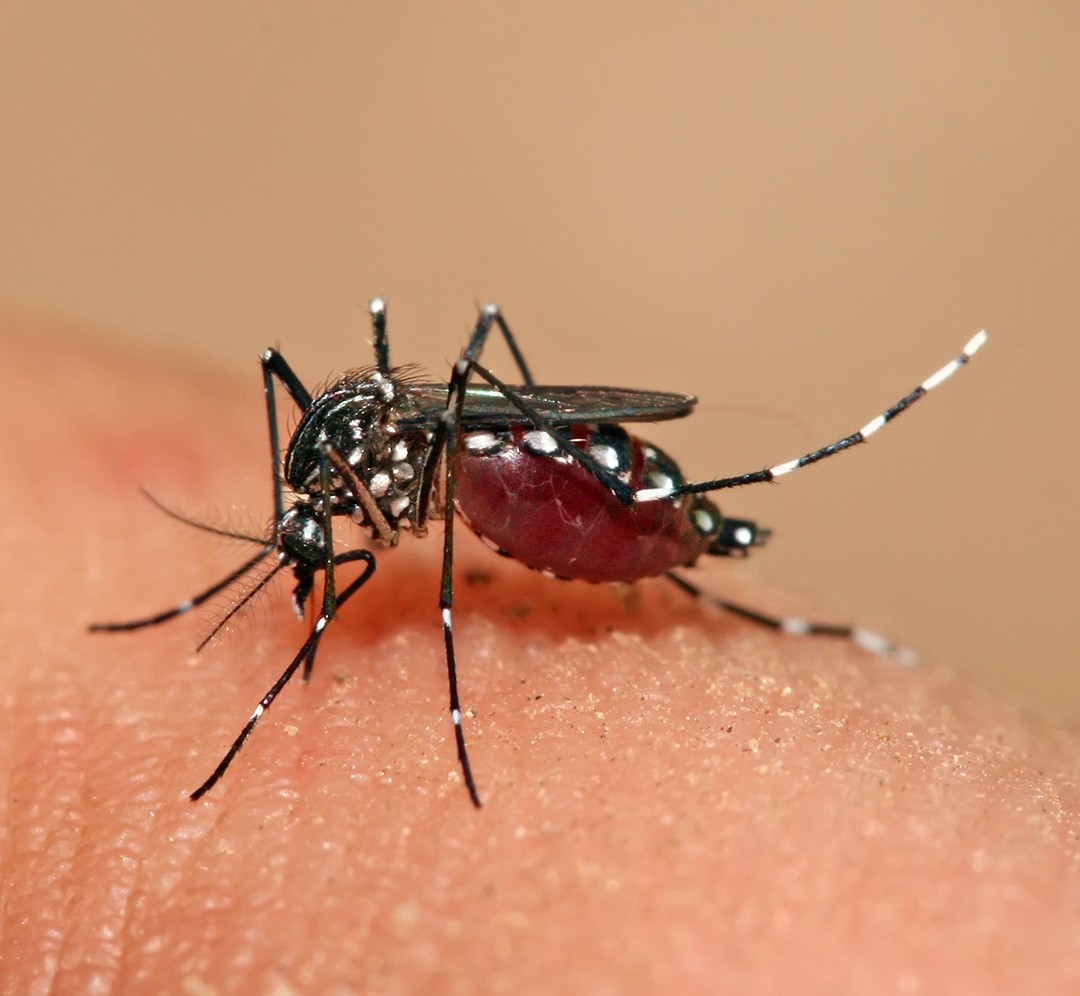
Muzaffar Nagar experiences a significant rise in mosquito-borne and seasonal infections, especially during the monsoon months. Diseases such as dengue, malaria, typhoid, chikungunya, and viral flu become more common due to increased humidity and stagnant water. Since these illnesses often present with similar symptoms, a blood test for fever plays a crucial role in determining the root cause.
At Max Lab, you can book a comprehensive fever panel test online with convenient home sample collection, NABL-accredited testing, accurate reports, and affordable pricing. Whether your doctor recommends an individual test or a complete fever profile, Max Lab provides reliable diagnostic services across Muzaffar Nagar.
Tropical climate and monsoon season create favourable conditions for bacteria, viruses, and mosquitoes to thrive. During this period, hospitals and diagnostic laboratories witness a considerable increase in patients suffering from fever-related illnesses.
Although fever itself is not a disease, it is the body's natural response to infection. However, because several infections produce similar symptoms such as fever, headache, body pain, chills, and fatigue, laboratory testing becomes essential for an accurate diagnosis.
A fever profile test is a combination of laboratory investigations that helps doctors identify the specific infection responsible for the symptoms. Depending on the patient's condition, the doctor may recommend a single blood test for fever or a comprehensive fever panel test that includes multiple investigations.
Early diagnosis not only speeds up recovery but also helps prevent serious complications associated with infectious diseases.
Many viral and bacterial infections cannot be differentiated based on symptoms alone. High fever, weakness, muscle pain, vomiting, headache, and chills are common across several illnesses.
A blood test for fever provides valuable clinical information by evaluating blood cells, identifying infection markers, detecting disease-specific antibodies or antigens, and assessing organ function.
Benefits of Fever Testing
Identifies the exact cause of fever
Differentiates between viral, bacterial, and parasitic infections
Helps doctors choose the right medication
Detects serious infections at an early stage
Prevents unnecessary antibiotic use
Monitors disease progression
Supports faster recovery
Reduces the risk of complications
Timely diagnosis is particularly important for children, older adults, pregnant women, and individuals with weakened immunity.
Max Lab offers a wide range of fever investigations to diagnose common seasonal and infectious diseases. Based on your symptoms and medical history, your doctor may recommend one or more of the following tests.
A CBC is one of the most commonly prescribed investigations for fever. It helps evaluate the body's immune response and detects abnormalities that may indicate infection.
The CBC measures:
White Blood Cell Count (WBC)
Red Blood Cell Count (RBC)
Hemoglobin
Platelet Count
Hematocrit
Differential Leukocyte Count
Changes in these parameters often provide the first indication of viral, bacterial, or parasitic infections.
Platelet monitoring is particularly important in suspected dengue cases. A falling platelet count may indicate disease progression and requires close medical supervision.
Dengue is among the most common mosquito-borne diseases during the monsoon season.
Depending on the stage of infection, doctors may recommend:
Dengue NS1 Antigen Test
Dengue IgM Antibody Test
Dengue IgG Antibody Test
CBC
Platelet Count
These tests help detect both early and late dengue infections.
Malaria is caused by Plasmodium parasites transmitted through infected mosquito bites.
Common malaria investigations include:
Malaria Antigen Test
Malarial Parasite (MP) Smear
Peripheral Blood Smear Examination
CBC
Early diagnosis significantly reduces the risk of severe complications.
Typhoid fever is caused by Salmonella Typhi bacteria and commonly spreads through contaminated food and water.
Recommended investigations include:
Typhi Dot IgM Test
Widal Test
Blood Culture
CBC
These tests help confirm typhoid infection and guide appropriate antibiotic treatment.
Chikungunya is another mosquito-borne viral infection known for causing severe joint pain.
Doctors may prescribe:
Chikungunya IgM Antibody Test
Chikungunya RT-PCR (when clinically required)
These tests help distinguish chikungunya from dengue and other viral fevers.
The CRP Test measures inflammation in the body and assists doctors in assessing the severity of infection.
High CRP levels may suggest:
Bacterial infections
Severe viral infections
Inflammatory conditions
ESR is another inflammatory marker frequently recommended along with CBC and CRP to evaluate ongoing infection.
Several infections, including dengue, malaria, and typhoid, can affect liver function.
LFT includes:
SGOT (AST)
SGPT (ALT)
Bilirubin
Albumin
Alkaline Phosphatase
These parameters help monitor liver health during infection.
Certain severe infections may also impact kidney function.
A KFT generally includes:
Blood Urea
Serum Creatinine
Uric Acid
Electrolytes
Monitoring kidney health is important in complicated infections.
Blood Culture identifies bacteria present in the bloodstream and helps determine the most effective antibiotic treatment.
It is commonly recommended when prolonged fever is suspected to be caused by bacterial infection.
Doctors usually advise a fever profile test when fever persists for more than two to three days or when symptoms suggest a serious infection.
You should consider getting tested if you experience:
High fever
Recurrent fever
Chills and shivering
Severe headache
Persistent body pain
Muscle aches
Joint pain
Weakness and fatigue
Nausea or vomiting
Loss of appetite
Skin rashes
Excessive sweating
Abdominal pain
Pain behind the eyes
Low platelet count
Unexplained fever after travelling
Early diagnosis allows timely treatment and helps prevent complications.
Many monsoon-related diseases begin with similar symptoms, making laboratory diagnosis essential.
Dengue Symptoms
Dengue often develops within 4–10 days after an infected mosquito bite.
Common symptoms include:
High fever
Se
There are many diseases the instances of which seem to rise during the monsoons, and the 5 most common types of fever among them, include dengue, malaria, chikungunya, typhoid, and viral fever. However, as several symptoms displayed by these diseases are common, a fever profile test is necessary for understanding the root cause of the symptoms one is displaying.
A fever profile test can include a number of diagnostic tests that are performed to diagnose conditions like malaria, dengue, typhoid, chikungunya, viral fever, etc. With the help of these tests, doctors can diagnose the root cause of a person’s fever and other related symptoms.
Generally, Fever Profile test includes Complete Blood Count (CBC Haemogram), Erythrocyte Sedimentation Rate (ESR), Malaria Parasite Detection, Widal Test for Typhoid, and Routine Examination Urine
The monsoon season brings with it, a number of infections like malaria, dengue, chikungunya, etc., and all of these diseases tend to have the similar basic symptoms that a person may display, with only a few distinguishing factors. So, it may get a bit difficult to distinguish one infection from another. A fever panel test includes a number of tests that are performed to identify the exact cause behind the fever and other symptoms that a person is displaying.
The exact list of blood tests in a fever profile may vary based on the panel chosen, but here are the most common tests that you can expect:
At Max Lab, one can book a monsoon fever profile test panel based on the tests they have been prescribed, at reasonable prices and even avail the at-home sample collection facility.
No. Generally, there is no requirement to observe an overnight fasting before sample collection for a fever profile test. However, it is best to consult a doctor who will take factors like one's medical history, age, etc. in consideration and suggest if any specific preparations are required before the test.
To identify the root cause of a persistent fever, a blood test may be required. It gives certain information about a person’s health status and helps identify the disease affecting a person. The blood test becomes necessary, as there are several diseases that may display similar symptoms, so for proper diagnosis and treatment, a blood test may be prescribed by a doctor.
If one is displaying symptoms like headaches, excessive sweating, nausea, pain behind the eyes, etc., apart from high fever, a doctor may ask them to undergo a dengue fever test to either ascertain or rule out dengue as the cause behind the symptoms.
As the name suggest, a dengue fever test is performed to diagnose a particular viral infection (dengue) that is commonly spread by mosquitos. The most common symptoms of this infection include high fever, swollen glands, rashes, severe headache, joint pain and muscle pain, nausea, fatigue, etc. These symptoms usually show up 4-7 days after getting infected. If left untreated, dengue can lead to severe complications, like plasma leaking, fluid accumulation, respiratory distress, organ impairment, and may even be fatal.
No. An infected person cannot spread dengue fever to other people. It is a mosquito-borne viral infection and is very common during the monsoon season, which is a very most favorable time for mosquitos to breed. If one has been spending time with an infected person, there is the possibility that they may have been bitten by the same mosquito, so it is always the safer choice to undergo a diagnostic test for dengue fever if that is the case or if one starts displaying symptoms of the infection.
Typhoid fever is caused by bacteria named Salmonella typhi. A person can contract typhoid through ingesting contaminated food or drinking water. This is a highly contagious infection, and an infected person can pass the bacteria out of their body through their stool or, less commonly, through urine. When an individual develops symptoms that indicate a typhoid fever, doctors prescribe a blood test for typhoid fever diagnosis, as timely treatment is of prime importance.

Malaria is one of the most common mosquito-borne diseases in India, particula...Read More

Experiencing chills and fever together can be uncomfortable and, at times, al...Read More
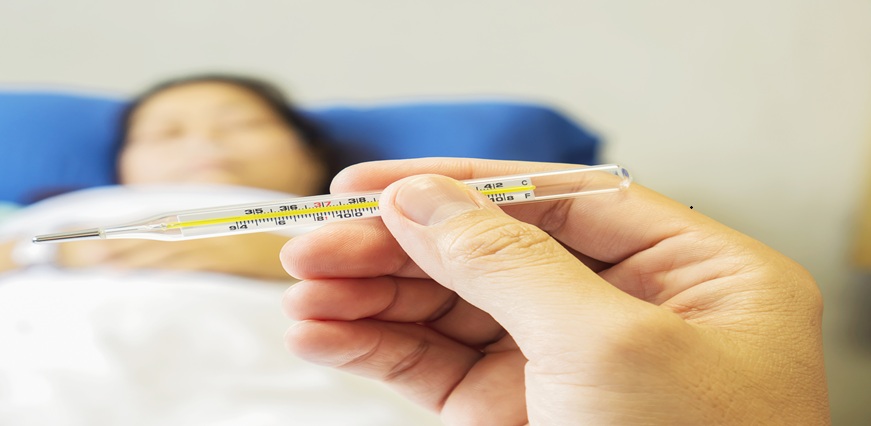
A high fever temperature is often a sign that the body is re...Read More
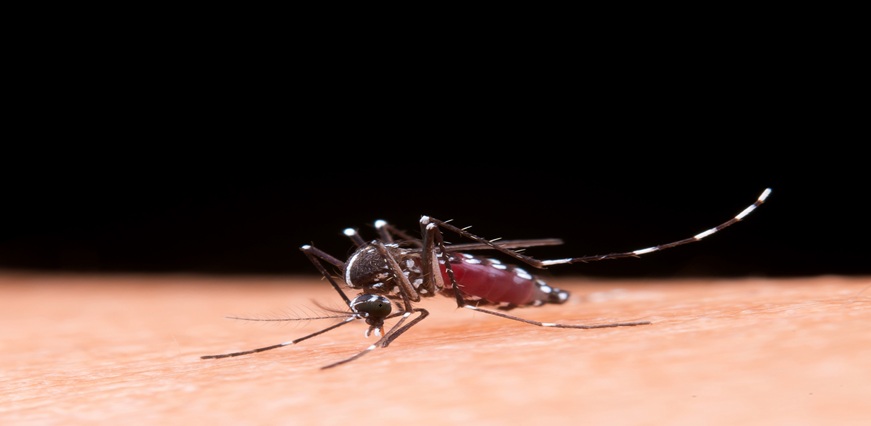
Malaria is a life-threatening disease that affects millions of people worldwi...Read More
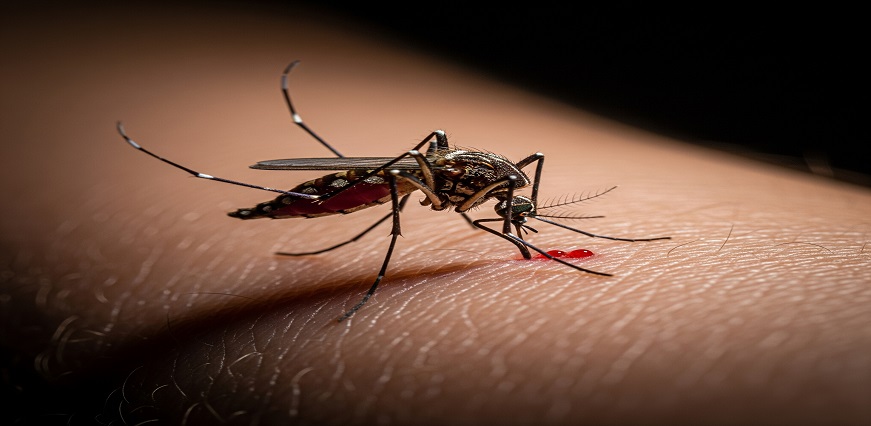
Dengue fever isn't just something you read about; it's a genuine, uns...Read More

Whether it’s spring blooming, summer turning up the heat, or the monsoo...Read More

Scarlet fever is a contagious illness that is typified by its characteristic ...Read More

Cough and cold are common health problems. They may cause a runny nos...Read More

Malaria is more than just a disease; it's a formidable adversary that can...Read More

Chills without fever can be confusing and uncomfortable. You...Read More
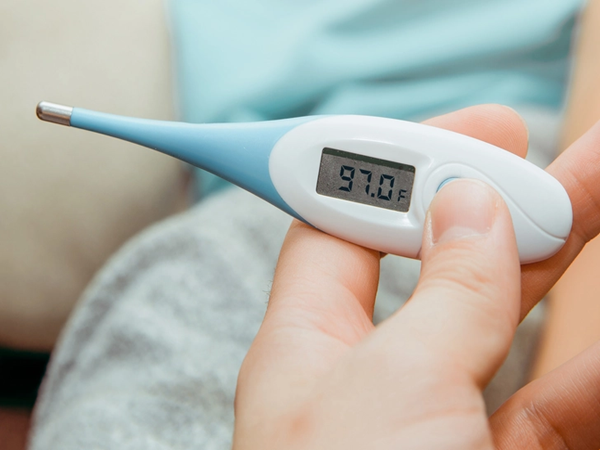
Intermittent fever can occur for many reasons, including infections and certa...Read More

Rheumatic fever is a condition that often flies under the radar, but its impa...Read More

Yellow fever is a term that often evokes concern and curiosity. This viral di...Read More

Introduction Viral fever is one...Read More

What is Pyrexia? Also known as fever, pyrexia is...Read More

The nose is one of the five main sensory organs in the human body as it helps...Read More

Are you feeling under the weather lately? Well, you're not alone! The num...Read More

In this blog post, we will delve into the depths of Lassa Fever - exploring i...Read More
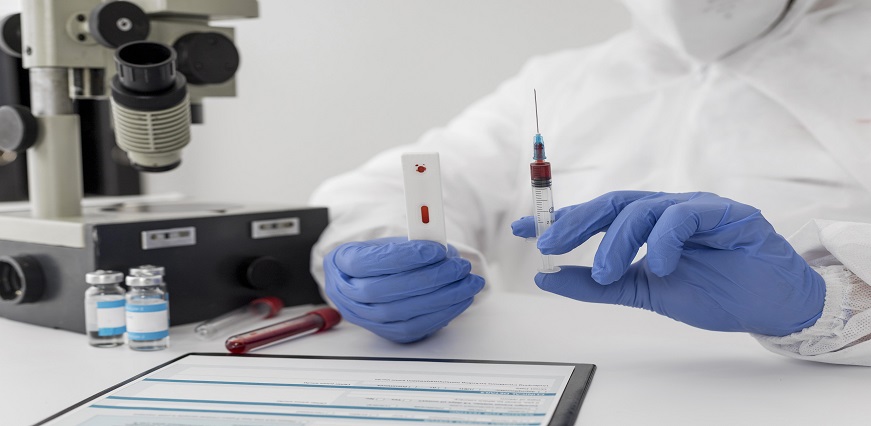
Are you experiencing symptoms like fever, headache, and muscle aches? These a...Read More

Are you familiar with Hepatitis C? It is a viral infection that affects the l...Read More

Introduction Chickenpox is a common viral infect...Read More
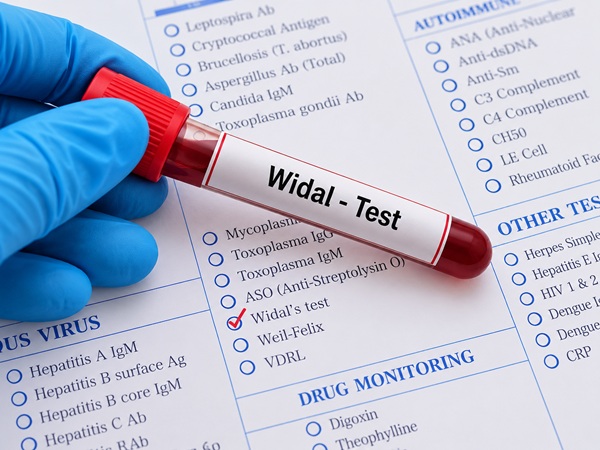
Typhoid fever is a bacterial infection that can spread throughout the body an...Read More

A blood clot in the brain is a serious condition, which can be either traumat...Read More

One may have typhoid fever if one experiences symptoms like a ...Read More

Never ignore the first cues of viral fever Viral...Read More
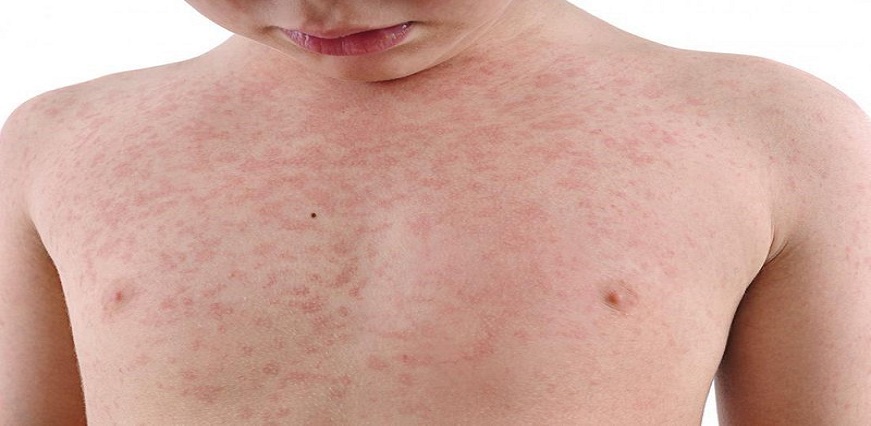
Rubella is caused by the RuV (Rubella virus) and is a contagious viral infect...Read More
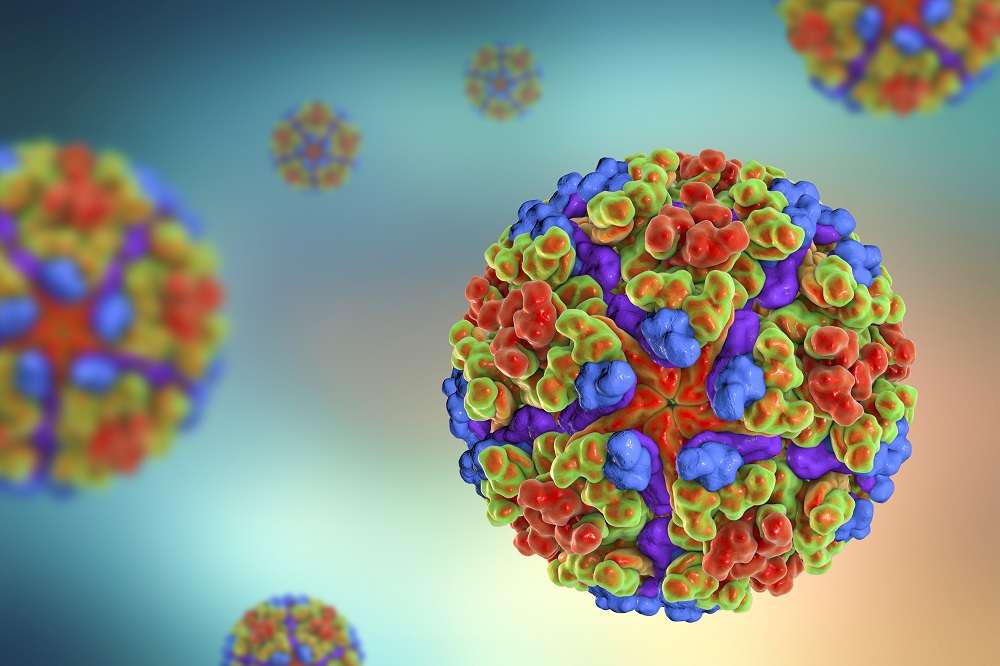
Transmitted to humans through the bite of a mosquito, chikungunya is a viral ...Read More

An integral part of the endocrine system in the human body is a butterfly-sha...Read More
Tropical and sub-tropical countries have climatic conditions that make the at...Read More
Chikungunya is an arthropod-borne infectious disease caused by the ...Read More
Certain diseases like malaria, dengue, etc. are common during the monsoon sea...Read More

Typhoid fever is a bacterial infection caused by Salmonella Typhi...Read More

Thyroid problems are conditions that affect the thyroid gland, which is a but...Read More
Typhoid is a bacterial disease that has been affecting the world’s popu...Read More

Typhoid fever is a bacterial infection that can affect the whole body and may...Read More
.png)

 SORT
SORT











 To reach our help desk call 7982100200