









Thyroid symptoms in male and female can include unexplained weight changes, tiredness, hair loss, mood changes, and irregular periods. These symptoms may occur when the thyroid gland produces too much or too little thyroid hormone. Early signs vary from person to person, and a thyroid function test can help identify a possible thyroid disorder.
What Is a Thyroid Disorder?
The thyroid is a small, butterfly-shaped gland in the front of the neck. It produces hormones that help regulate metabolism, energy levels, body temperature, heart rate, and other body functions.
Common thyroid disorders include:
-
Hypothyroidism: The thyroid gland produces too little thyroid hormone.
-
Hyperthyroidism: The thyroid gland produces too much thyroid hormone.
Both conditions can affect males and females, although some symptoms may differ.
Early Thyroid Symptoms in Male and Female
The early signs of thyroid problems may develop gradually and can sometimes be mistaken for stress, ageing, or other health issues.
Common Thyroid Symptoms in Both Males and Females
-
Unexplained weight gain or weight loss
-
Persistent tiredness or weakness
-
Hair thinning or hair loss
-
Changes in mood, anxiety, or low mood
-
Difficulty concentrating
-
Sensitivity to cold or heat
-
Dry skin or changes in skin texture
-
Changes in bowel habits
-
Sleep problems
-
Swelling or a lump in the neck
Not everyone experiences all these symptoms. The type and severity depend on whether thyroid hormone levels are too low or too high.
Thyroid Symptoms in Females
Thyroid disorders can affect reproductive hormones and menstrual health in females.
Common symptoms include:
-
Irregular, heavy, or lighter-than-usual periods
-
Difficulty becoming pregnant
-
Changes in menstrual cycle length
-
Hair thinning and dry skin
-
Unexplained weight changes
-
Reduced energy levels
-
Changes in sexual desire
Thyroid problems can also occur during pregnancy and after childbirth. Women who experience persistent symptoms should consult a healthcare professional for assessment.
Thyroid Symptoms in Males
Thyroid disorders can also affect male reproductive and sexual health.
Common symptoms include:
-
Low energy and persistent fatigue
-
Changes in body weight
-
Reduced sexual desire
-
Difficulty with erections
-
Reduced muscle strength
-
Hair thinning
-
Mood changes or difficulty concentrating
-
Changes in heart rate or tolerance to temperature
These symptoms can have many causes, so they should not automatically be attributed to a thyroid problem.
Symptoms of Hypothyroidism vs Hyperthyroidism
| Symptom | Hypothyroidism (underactive thyroid) | Hyperthyroidism (overactive thyroid) |
|---|---|---|
| Weight | Possible weight gain | Possible weight loss |
| Energy | Tiredness and sluggishness | Restlessness or fatigue |
| Temperature | Feeling unusually cold | Feeling unusually hot |
| Heart rate | May be slower | May be faster or irregular |
| Bowel habits | Constipation | More frequent bowel movements |
| Skin | Dry skin | Warm, moist skin |
| Mood | Low mood or difficulty concentrating | Anxiety, irritability, or nervousness |
| Menstrual changes | Possible irregular or heavy periods | Possible lighter or irregular periods |
Symptoms vary, and the table is a general guide rather than a way to diagnose a thyroid condition.
How Are Thyroid Problems Diagnosed?
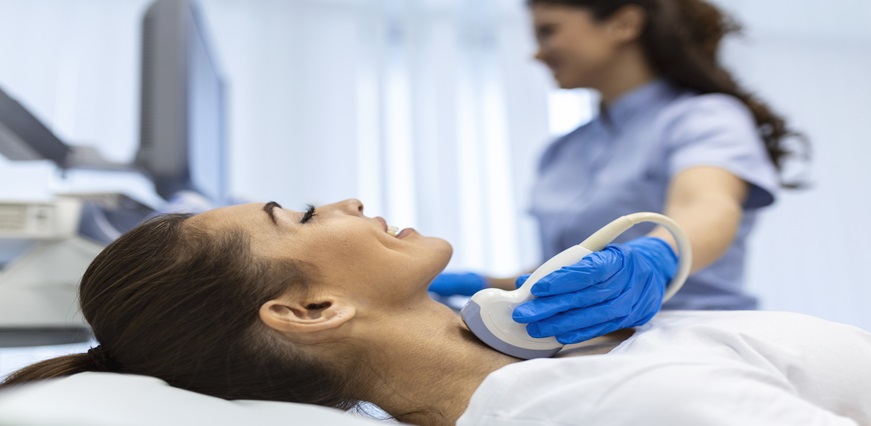
A doctor may recommend thyroid function tests if symptoms suggest a thyroid disorder. Common tests include:
-
TSH test: Measures thyroid-stimulating hormone and is commonly used to assess thyroid function.
-
Free T4 test: Measures the available thyroxine hormone in the blood.
-
Free T3 test: May be recommended in selected cases, especially when an overactive thyroid is suspected.
-
Thyroid antibody tests: May help identify autoimmune thyroid conditions when clinically indicated.
The results should be interpreted alongside symptoms, medical history, medicines, and the laboratory's reference ranges. A doctor can determine which tests are appropriate.
When Should You See a Doctor?
Consult a healthcare professional if you have persistent unexplained weight changes, unusual tiredness, menstrual changes, a racing heartbeat, or a swelling in the neck.
Seek urgent medical care for severe chest pain, fainting, difficulty breathing, or a very rapid heartbeat accompanied by severe symptoms.
Frequently Asked Questions
1. What are the first signs of thyroid problems?
Early signs may include fatigue, weight changes, hair loss, mood changes, and sensitivity to cold or heat. Symptoms depend on the type of thyroid disorder.
2. Are thyroid symptoms different in males and females?
Many symptoms are similar, but females may experience menstrual irregularities and fertility problems, while males may notice changes in sexual desire or erectile function.
3. Can thyroid problems cause weight gain?
Yes. An underactive thyroid can contribute to weight gain, while an overactive thyroid may cause weight loss. Weight changes can also have other causes.
4. Can thyroid problems cause hair loss?
Yes. Both underactive and overactive thyroid conditions may contribute to hair thinning or hair loss.
5. Which test detects thyroid problems?
The TSH test is commonly used to assess thyroid function. A doctor may also recommend free T4, free T3, or thyroid antibody tests depending on the symptoms.
6. Can thyroid problems affect periods and fertility?
Yes. Thyroid hormone imbalances can affect menstrual cycles, ovulation, and fertility. Appropriate assessment and treatment may help manage these effects.
7. Can thyroid symptoms occur without neck swelling?
Yes. Many people with thyroid disorders do not have visible swelling in the neck. Symptoms and blood test results help guide the assessment.
Conclusion
Thyroid symptoms in male and female may include weight changes, fatigue, hair loss, mood changes, and differences in temperature sensitivity. Females may also experience menstrual irregularities, while males may notice changes in sexual health. Because these symptoms can have several causes, a TSH test and other thyroid function tests, when recommended by a doctor, can help identify a possible thyroid disorder.
















 To reach our help desk call 7982100200
.png)