









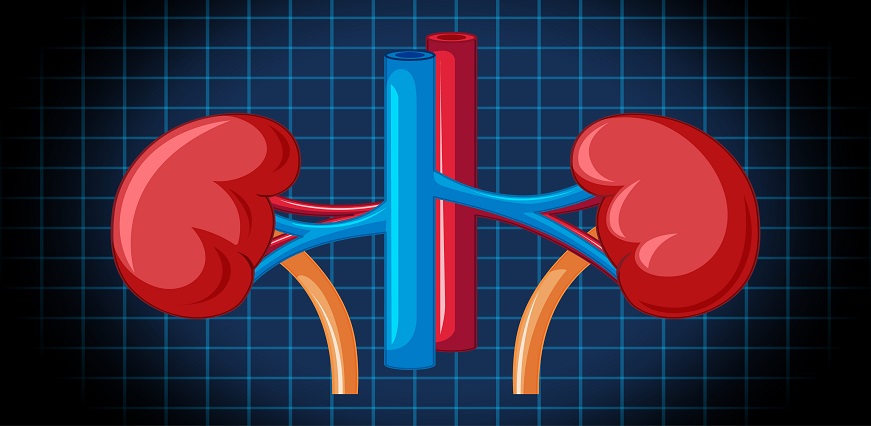
The KFT normal range in male and female varies depending on the test, age, muscle mass, and overall health. A Kidney Function Test (KFT) measures blood markers such as creatinine, urea, and blood urea nitrogen (BUN) to assess how well the kidneys are working. Commonly, serum creatinine is around 0.7–1.3 mg/dL in adult males and 0.6–1.1 mg/dL in adult females, although laboratory reference ranges may differ.
What Is the KFT Normal Range?
The Kidney Function Test normal range refers to the expected values of blood and sometimes urine markers used to evaluate kidney health. A KFT panel may include creatinine, urea, BUN, uric acid, electrolytes, and estimated glomerular filtration rate (eGFR).
KFT Normal Range Chart for Male and Female
The following table provides commonly used reference ranges for adults. Always check the reference intervals printed on your laboratory report.
| KFT Test | Normal Range in Male | Normal Range in Female |
|---|---|---|
| Serum creatinine | 0.7–1.3 mg/dL | 0.6–1.1 mg/dL |
| Blood urea | 15–40 mg/dL | 15–40 mg/dL |
| Blood urea nitrogen (BUN) | 7–20 mg/dL | 7–20 mg/dL |
| Uric acid | 3.4–7.0 mg/dL | 2.4–6.0 mg/dL |
| Sodium | 135–145 mmol/L | 135–145 mmol/L |
| Potassium | 3.5–5.0 mmol/L | 3.5–5.0 mmol/L |
| Chloride | 98–106 mmol/L | 98–106 mmol/L |
Note: Reference ranges vary by laboratory, age, method, and clinical circumstances. Blood urea and BUN are different measurements and should not be interpreted using the same numerical range.
What Is the Normal KFT Level in Male and Female?
The normal KFT level is assessed by looking at several results together rather than relying on one value.
-
Creatinine: Higher levels may indicate reduced kidney filtration, although muscle mass, dehydration, and certain medicines can also affect results.
-
Urea and BUN: These measure waste products in the blood. Levels may rise with kidney problems, dehydration, or increased protein breakdown.
-
eGFR: An eGFR of 90 mL/min/1.73 m² or higher is generally considered normal, but other evidence of kidney damage must also be considered.
-
Electrolytes: Sodium and potassium help assess fluid balance and other important body functions.
What Is the Normal Creatinine Value in Male and Female?
The normal creatinine value is generally higher in males than females because creatinine production is influenced by muscle mass. However, a result within the reference range does not always rule out kidney disease.
Doctors often interpret creatinine alongside eGFR, urine albumin-to-creatinine ratio (uACR), medical history, and previous test results to assess kidney function more accurately.
What Does a High or Low KFT Level Mean?
High KFT Values
Elevated creatinine, urea, or BUN may be associated with:
-
Reduced kidney function
-
Dehydration
-
Certain medicines or supplements
-
Urinary tract obstruction
-
Increased protein breakdown or other medical conditions
Low KFT Values
Low creatinine may be associated with low muscle mass, pregnancy, or certain health conditions. Low urea can occur with low protein intake or liver-related problems. Low values do not automatically indicate kidney disease.
When Should You Get a Kidney Function Test?
A KFT may be recommended if you have diabetes, high blood pressure, a family history of kidney disease, or symptoms such as swelling, changes in urination, or persistent fatigue. People taking medicines that can affect kidney function may also need monitoring as advised by their doctor.
You can consult a healthcare professional to determine whether a KFT is appropriate and how often it should be repeated.
Frequently Asked Questions About KFT Normal Range
1. What is the normal KFT range in males?
Common adult reference ranges include serum creatinine of 0.7–1.3 mg/dL, blood urea of 15–40 mg/dL, and BUN of 7–20 mg/dL. The applicable range depends on the laboratory and individual health factors.
2. What is the normal KFT range in females?
Common adult reference ranges include serum creatinine of 0.6–1.1 mg/dL, blood urea of 15–40 mg/dL, and BUN of 7–20 mg/dL. Your laboratory's reference intervals should guide interpretation.
3. What is the normal creatinine level in males and females?
Serum creatinine is commonly around 0.7–1.3 mg/dL in adult males and 0.6–1.1 mg/dL in adult females. Muscle mass, age, pregnancy, and laboratory methods can affect these values.
4. What is the normal eGFR range?
An eGFR of 90 mL/min/1.73 m² or higher is generally normal. An eGFR of 60–89 does not necessarily mean kidney disease; the result must be interpreted alongside other signs of kidney damage and its duration.
5. What does a high KFT result mean?
A high KFT result may indicate reduced kidney function, dehydration, medication effects, or other conditions. The meaning depends on which marker is elevated and how it compares with previous results.
6. Can KFT results differ between males and females?
Yes. Creatinine reference ranges commonly differ because average muscle mass differs between males and females. Other KFT markers may use the same adult reference range for both.
7. Is fasting required for a KFT blood test?
Fasting is not usually required for a routine KFT, but preparation instructions may vary depending on the tests ordered. Follow the instructions provided by your laboratory or healthcare professional.
8. How often should a KFT be done?
Testing frequency depends on kidney health, diabetes, high blood pressure, medicines, and medical advice. People with kidney disease or other risk factors may need regular monitoring.
Conclusion
The KFT normal range in male and female helps assess kidney function through markers such as creatinine, urea, BUN, electrolytes, and eGFR. Since normal values can vary between individuals and laboratories, interpret your results using the report's reference ranges and your healthcare professional's advice. Regular monitoring may help identify kidney problems early, especially in people with diabetes or high blood pressure.

















 To reach our help desk call 7982100200
.png)