









The PPBS normal range in male and female is generally below 140 mg/dL when blood glucose is measured two hours after a meal in non-pregnant adults without diabetes. PPBS stands for Postprandial Blood Sugar. It measures blood glucose after eating and helps assess how the body processes sugar. Target levels may differ for people with diabetes and during pregnancy.
What Is the PPBS Normal Range?
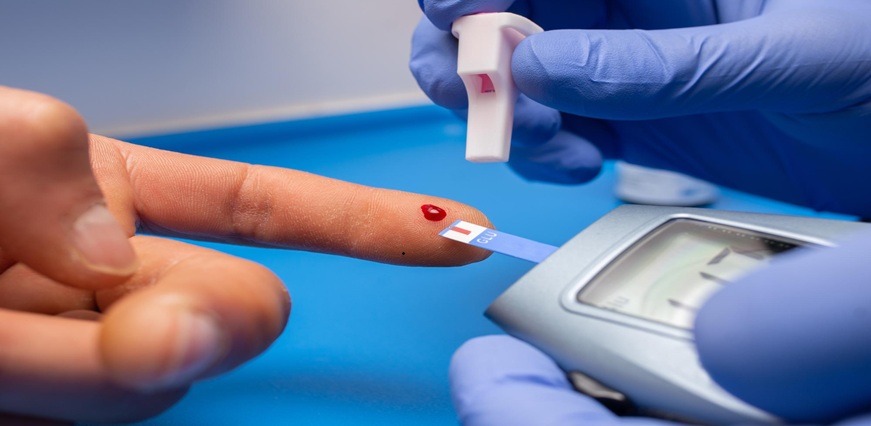
PPBS is a blood test that measures glucose levels after a meal, usually two hours after starting the meal. It helps doctors assess blood sugar control and identify possible glucose regulation problems.
PPBS Normal Range Chart for Male and Female
The following are commonly used reference values for non-pregnant adults:
| PPBS Level | Blood Sugar Value | General Interpretation |
|---|---|---|
| Normal | Below 140 mg/dL | Generally considered normal |
| Elevated | 140–199 mg/dL | May indicate impaired glucose regulation |
| High | 200 mg/dL or above | May indicate diabetes and requires medical assessment |
Note: These values are general guidance for a two-hour glucose measurement. A standard diagnostic test using a 75 g oral glucose load has specific criteria, and a usual meal is not equivalent to that test. A diabetes diagnosis may require confirmatory testing.
What Is the Normal PPBS Level in Male and Female?
The usual PPBS reference range is generally the same for adult males and females who are not pregnant. Blood glucose levels can vary depending on meal composition, timing, physical activity, medicines, and health conditions.
For people with diabetes, the target after-meal blood sugar level may be different. Many non-pregnant adults with diabetes are advised to aim for a blood glucose level below 180 mg/dL one to two hours after the start of a meal, but individual targets vary.
What Does a High or Low PPBS Value Mean?
High PPBS Level
A high PPBS value may occur due to:
-
Diabetes or prediabetes
-
A meal high in carbohydrates
-
Limited physical activity after eating
-
Certain medicines or medical conditions
A high result does not always confirm diabetes. A doctor may recommend fasting blood sugar, HbA1c, or another appropriate test.
Low PPBS Level
A blood sugar level below 70 mg/dL is generally considered low. It may occur due to diabetes medicines, skipping meals, increased physical activity, or other medical conditions. Symptoms can include sweating, shakiness, dizziness, and confusion. Severe symptoms require urgent medical attention.
When Should You Get a PPBS Blood Test?
A doctor may recommend a PPBS test if you have diabetes risk factors, symptoms such as increased thirst or frequent urination, or a need to monitor blood sugar control. People already diagnosed with diabetes may need regular testing according to their healthcare professional's advice.
Frequently Asked Questions About PPBS Normal Range
1. What is the normal PPBS range in males?
For non-pregnant adult males, a two-hour post-meal blood sugar level below 140 mg/dL is generally considered normal. Interpretation depends on the testing method and clinical context.
2. What is the normal PPBS range in females?
For non-pregnant adult females, a two-hour post-meal blood sugar level below 140 mg/dL is generally considered normal. Pregnancy uses different glucose testing criteria.
3. What does PPBS 140–199 mg/dL mean?
A result in this range may indicate elevated post-meal blood sugar. However, diagnostic criteria depend on whether the test followed a normal meal or a standardized glucose drink.
4. Is PPBS 200 mg/dL normal?
No. A two-hour PPBS result of 200 mg/dL or above is high and needs medical evaluation. A result after a regular meal alone does not necessarily confirm diabetes.
5. What is PPBS in a blood test?
PPBS stands for Postprandial Blood Sugar. It measures blood glucose after a meal, commonly two hours after the meal begins.
6. Is fasting required for a PPBS test?
Fasting is generally not required before a PPBS test because it measures blood sugar after eating. Follow the laboratory's instructions about meal timing and test collection.
7. What is the normal PPBS level for people with diabetes?
Many non-pregnant adults with diabetes have a post-meal target below 180 mg/dL, measured one to two hours after starting a meal. Your doctor may set a different target based on your health and treatment.
8. What is the difference between PPBS and fasting blood sugar?
Fasting blood sugar measures glucose after a period without food, usually at least eight hours. PPBS measures glucose after a meal and helps assess the body's response to eating.
Conclusion
The PPBS normal range in male and female is generally below 140 mg/dL two hours after a meal for non-pregnant adults without diabetes. Higher or lower values may require further assessment depending on symptoms, medicines, and testing conditions. Consult a healthcare professional to interpret your result and determine whether additional blood sugar tests are needed.










 To reach our help desk call 7982100200
.png)