





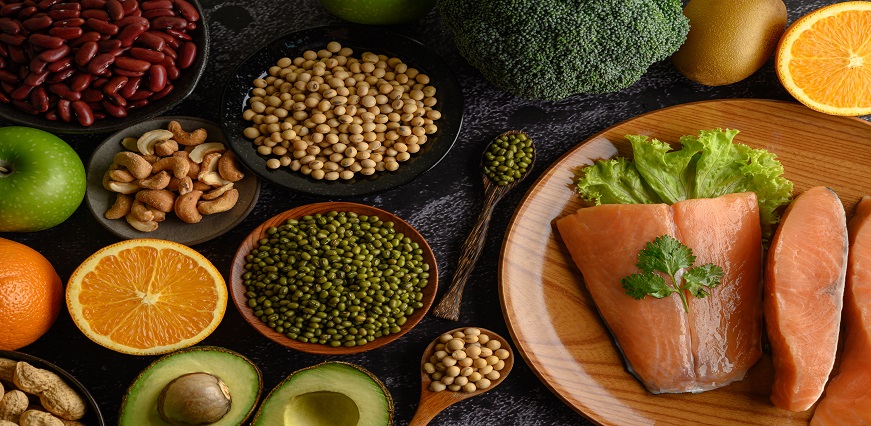
A pregnancy diet chart helps you choose healthy foods that support your health and your baby's growth. During pregnancy, your body needs a mix of protein, iron, calcium, folate, vitamins, fibre and other nutrients.
A balanced pregnancy food chart does not need to be costly or complicated. Everyday Indian foods such as dal, roti, rice, curd, vegetables, fruit, eggs and nuts can help you meet your nutritional needs.
The right food choices depend on your stage of pregnancy, appetite, health and medical needs. This guide shares a simple Indian pregnancy diet chart, foods to eat and avoid, and tips for eating safely during pregnancy.
What Is a Pregnancy Diet Chart?
A pregnancy diet chart is a daily food plan that helps a pregnant woman eat a variety of nutritious foods in suitable amounts.
It includes foods that provide:
-
Protein to support the growth of your baby's body.
-
Iron to help make red blood cells.
-
Folate to support early brain and spinal development.
-
Calcium for your baby's bones and teeth.
-
Fibre to help prevent constipation.
-
Healthy fats to support your baby's growth and development.
-
Vitamins and minerals to support the health of both mother and baby.
There is no single diet chart that suits every pregnant woman. Your needs may change with your weight, activity level, trimester, food preferences and health conditions.
Why Is a Healthy Pregnancy Food Chart Important?
A balanced diet helps provide the nutrients needed during pregnancy. It also supports the mother's health as the baby grows.
A healthy pregnancy food chart can help you:
-
Get enough protein, iron, calcium and other key nutrients.
-
Support the growth and development of your baby.
-
Maintain energy throughout the day.
-
Reduce the risk of nutrition-related problems.
-
Include enough fibre and fluids to support digestion.
-
Build healthy eating habits for the rest of your pregnancy.
Important: Eating for two does not mean eating twice as much. Focus on food quality, variety and suitable portions rather than simply increasing the amount of food you eat.
A Simple Indian Pregnancy Diet Chart for One Day
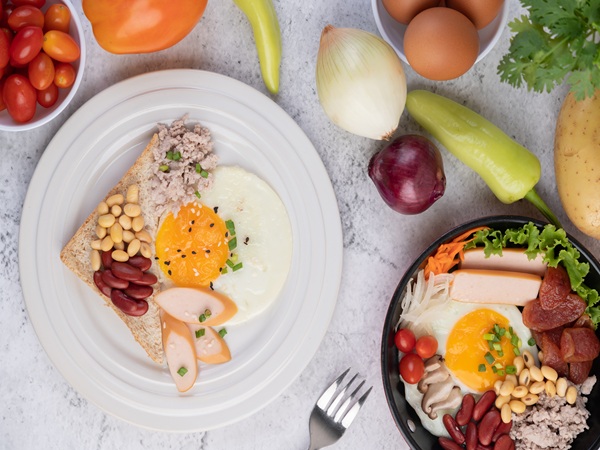
Here is an example of a daily pregnancy diet chart using common Indian foods. You can adjust it to your appetite, food preferences and doctor's advice.
Sample meal plan · Not a fixed prescription
|
Time |
Meal |
Food options |
|---|---|---|
|
Early morning |
Light snack |
A glass of water and a small handful of nuts, if suitable |
|
Breakfast |
Main meal |
Vegetable poha, oats, vegetable upma, or whole-wheat roti with cooked vegetables and an egg |
|
Mid-morning |
Fruit |
A washed apple, orange, banana or seasonal fruit |
|
Lunch |
Balanced meal |
Roti or rice, dal or beans, cooked vegetables, and curd made from pasteurised milk |
|
Evening |
Snack |
Roasted chana, unsalted nuts, or a homemade vegetable sandwich |
|
Dinner |
Main meal |
Roti or rice with dal, paneer, tofu, eggs, chicken or well-cooked fish, plus vegetables |
|
Before bed, if hungry |
Light snack |
Pasteurised milk or plain yoghurt, if tolerated |
A few tips for this diet chart:
-
Eat smaller, more frequent meals if you feel sick or full quickly.
-
Include protein in your main meals.
-
Choose different fruits and vegetables throughout the week.
-
Drink water regularly.
-
If you follow a vegetarian or vegan diet, plan your sources of protein, iron, calcium, vitamin B12 and other key nutrients carefully.
There is no need to follow these exact meal times. The goal is to eat a varied, balanced diet that suits your needs.
Which Nutrients Are Important During Pregnancy?
Some nutrients are especially important for the growth of your baby and your own health.
|
Nutrient |
Why it matters |
Indian food sources |
|---|---|---|
|
Protein |
Helps your baby's body grow |
Dal, rajma, chana, milk, curd, paneer, eggs, fish and chicken |
|
Iron |
Helps make red blood cells |
Beans, lentils, leafy vegetables, meat and iron-fortified foods |
|
Folate |
Supports early brain and spinal development |
Green leafy vegetables, beans, peas and fortified foods |
|
Calcium |
Helps build bones and teeth |
Milk, curd, paneer, calcium-fortified alternatives and suitable calcium-rich foods |
|
Vitamin B12 |
Supports nerves and red blood cells |
Dairy, eggs, meat, fish and fortified foods |
|
Fibre |
Helps prevent constipation |
Whole grains, vegetables, fruit, beans and lentils |
|
Healthy fats |
Support normal growth and development |
Nuts, seeds and suitable vegetable oils |
Food alone may not meet every nutrient need during pregnancy. Your doctor may recommend supplements based on pregnancy guidelines, your diet, test results and medical history.
Do you need folic acid, iron and calcium supplements?
Many pregnant women are advised to take folic acid and iron, and calcium may also be recommended as part of antenatal care. The timing and dose depend on the supplement and your doctor's advice.
-
Folic acid: Especially important before pregnancy and during early pregnancy.
-
Iron: Helps prevent or treat iron deficiency.
-
Calcium: Supports the mother's and baby's bone health.
Do not start high-dose supplements or take multiple products together without advice. Iron and calcium supplements may need to be taken at different times. Follow the instructions given by your healthcare provider.
Pregnancy Diet Chart by Trimester
Your nutritional needs change as your baby grows. The basic goal in every trimester is to eat a variety of nutritious foods and attend regular antenatal check-ups.
First trimester: Weeks 1–12
During early pregnancy, nausea, vomiting and food aversions may make eating difficult.
What may help:
-
Eat small meals more often.
-
Try simple foods such as toast, rice, poha or crackers if you feel nauseated.
-
Choose fruit, vegetables, pulses and other protein-rich foods as tolerated.
-
Take folic acid as advised by your doctor.
If you cannot keep fluids down or are passing very little urine, seek medical advice promptly.
Second trimester: Weeks 13–27
Your baby's growth continues, and your appetite may improve.
Focus on:
-
Protein-rich foods at meals.
-
Iron-rich foods paired with vitamin C sources, such as lemon, guava or orange.
-
Calcium-rich foods such as milk, curd or suitable alternatives.
-
Whole grains, vegetables and fruit for fibre.
Your doctor can advise whether you need changes to your food intake or supplements.
Third trimester: Week 28 until birth
Your baby continues to grow, and you may feel full quickly because there is less room in your abdomen.
Helpful choices include:
-
Smaller, more frequent meals.
-
Protein-rich foods such as dal, beans, paneer, eggs or well-cooked meat.
-
Fibre-rich foods and enough water to support digestion.
-
Nutritious snacks when you are hungry.
If you have heartburn, try smaller meals and avoid lying down immediately after eating.
What Foods Should You Eat During Pregnancy?
A healthy pregnancy food chart can include many familiar Indian foods.
1. Dal, beans and pulses
Dal, rajma, chana, peas and other pulses provide protein, fibre and iron. They are useful choices for vegetarian diets.
2. Green leafy vegetables
Spinach, methi and other leafy vegetables provide folate and other nutrients. Wash them well and cook them safely.
3. Fresh fruit
Choose a variety of washed fruit, such as bananas, oranges, apples and guavas. Whole fruit also provides fibre.
4. Milk, curd and paneer
These can provide protein and calcium. Choose pasteurised dairy products and store them safely.
5. Eggs, fish and lean meat
These can provide protein and other nutrients. Cook eggs, fish and meat thoroughly. Vegetarian alternatives include dal, beans, tofu and paneer.
Which Foods Should You Avoid or Limit During Pregnancy?
Some foods and drinks may increase the risk of infection or expose your baby to harmful substances.
|
Food or drink |
What to do |
|---|---|
|
Alcohol |
Avoid it during pregnancy. |
|
Raw or undercooked meat, fish and eggs |
Avoid them because of the risk of foodborne infection. |
|
Unpasteurised milk and dairy products |
Avoid them because they may contain harmful germs. |
|
Unwashed fruits and vegetables |
Wash them thoroughly before eating or preparing them. |
|
High-mercury fish |
Avoid fish known to contain high levels of mercury; ask your doctor about suitable local fish choices. |
|
Liver and liver products |
Avoid them because they contain high levels of vitamin A. |
|
Caffeine |
Keep total intake within your healthcare provider's recommended limit; many guidelines advise no more than 200 mg per day. |
|
Unverified herbal products or supplements |
Check with your doctor before using them. |
Food safety matters as much as food choice. Wash your hands, keep raw and cooked foods separate, refrigerate perishable foods promptly and eat freshly prepared food when possible.
Tips for Following a Pregnancy Diet Chart Safely
A pregnancy diet chart should fit your health needs, culture, budget and food preferences.
-
Eat a variety of foods: Do not depend on one food or drink for all your nutrients.
-
Choose safe drinking water: Use clean, safe water throughout the day.
-
Manage morning sickness: Try small meals and foods you can tolerate. Ask your doctor for help if vomiting is severe.
-
Prevent constipation: Include fibre-rich foods and drink enough fluids.
-
Limit very sugary drinks and highly processed snacks: Choose more nutritious options when possible.
-
Avoid crash diets: Pregnancy is not the time to try rapid weight-loss plans unless a specialist has given specific medical guidance.
-
Follow your antenatal plan: Your doctor may recommend changes based on your weight, blood tests, blood pressure or other health needs.
What if you have diabetes, high blood pressure or anaemia?
Your diet may need extra care if you have gestational diabetes, high blood pressure, anaemia, thyroid disease or another health condition.
For example, gestational diabetes may require a personalised plan for carbohydrate portions and meal timing. Anaemia may require iron treatment as well as dietary changes. Do not rely on food alone to treat a diagnosed condition. Follow your doctor's advice.
How Can Max Lab Help During Pregnancy?
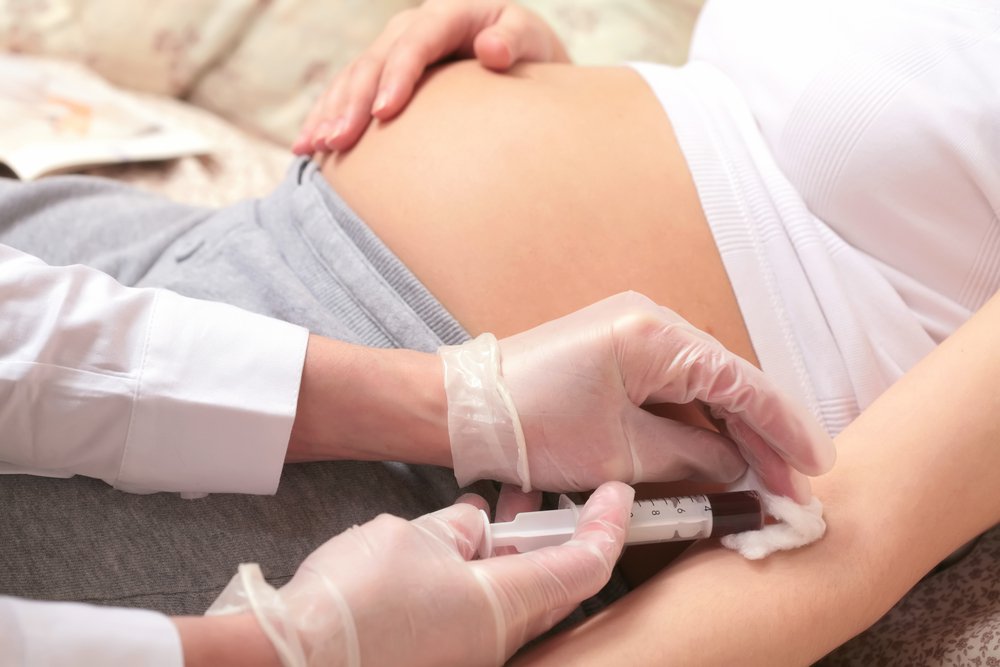
Good nutrition is one part of pregnancy care. Antenatal check-ups and tests recommended by your healthcare provider can help monitor your health and identify issues that may need attention.
Max Lab offers antenatal testing options that may include blood and urine investigations, depending on the selected package.
This listed package includes tests such as a complete blood count, blood group and Rh factor, blood sugar, urine testing and selected infection screening. Review the current package details and preparation instructions before booking.
Antenatal Profile Comprehensive
This is another listed antenatal testing option. The included tests and preparation requirements differ by package, so check the service page and discuss the tests you need with your doctor.
How to take the next step
-
Ask your gynaecologist which antenatal tests are appropriate for your stage of pregnancy.
-
Check the test list and preparation instructions on the relevant Max Lab page.
-
Review booking and home sample collection availability for your location.
-
Share the results with your healthcare provider for interpretation.
Explore Max Lab's antenatal testing services and choose tests based on your doctor's advice. Not every pregnant woman needs every test, and test results should be interpreted with your medical history and clinical assessment.
Conclusion
Following a healthy pregnancy diet chart can help support your health and your baby's growth throughout pregnancy. Include a variety of nutritious Indian foods, such as dal, beans, whole grains, green vegetables, fruits, milk, curd and other suitable protein sources. Choose safe, freshly prepared foods and avoid items that may increase health risks during pregnancy.
Your nutritional needs may change during the first, second and third trimesters. Therefore, follow a balanced pregnancy food chart that suits your appetite, health and doctor's advice. Regular antenatal check-ups can also help monitor your health and identify nutritional concerns, such as anaemia, when appropriate.
For pregnancy-related diagnostic testing, explore Max Lab's antenatal testing services. Consult your gynaecologist about the tests you may need and follow their guidance for a healthy pregnancy.













 To reach our help desk call 7982100200
.png)