







Blood sugar plays an important role in maintaining your body's energy levels and overall health. If you have diabetes, are at risk of developing diabetes, or simply want to understand your blood glucose levels, a Random Blood Sugar (RBS) test can provide useful information about your blood glucose at a particular point in time.
Unlike a fasting blood sugar test, an RBS test does not require you to fast before the blood sample is collected. It can be performed at any time of the day, regardless of when you last ate.
In this guide, we will explain what an RBS test is, why it is performed, how to understand the results, factors that can affect blood sugar levels, and when you may need to consult a healthcare professional.
What Is an RBS Test?
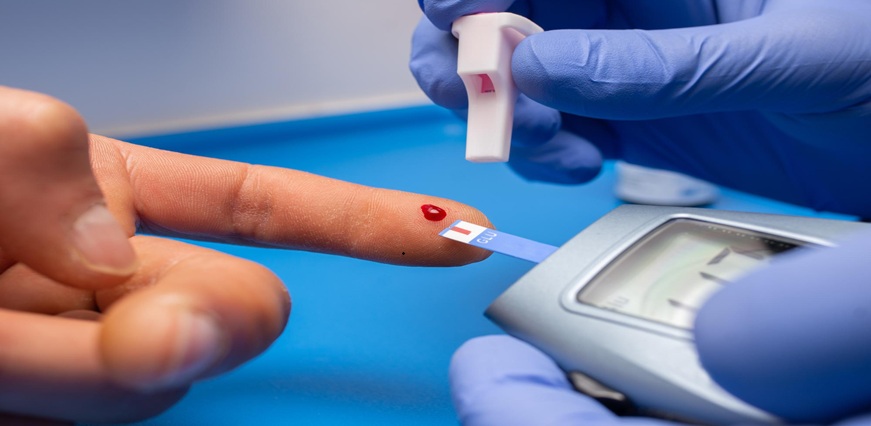
The Random Blood Sugar (RBS) test is a blood test that measures the amount of glucose present in your bloodstream at a specific point in time.
The test can be performed regardless of when you last had a meal or drink. Because blood glucose naturally changes throughout the day depending on food, physical activity, stress, medications, and other factors, an RBS reading represents your blood sugar level at that particular moment.
Healthcare professionals may use an RBS test to:
- Check for unusually high or low blood sugar levels
- Evaluate symptoms that may be related to high or low blood glucose
- Support the diagnosis of diabetes when symptoms are present
- Monitor blood glucose in people who already have diabetes
- Determine whether additional blood sugar tests may be needed
An RBS test is generally quick and requires only a small blood sample.
Why Is the RBS Test Important?
Glucose is one of the body's primary sources of energy. Insulin helps glucose move from the bloodstream into cells, where it can be used for energy.
When the body does not produce enough insulin or cannot use insulin effectively, blood glucose can become elevated. Persistently high blood sugar can eventually contribute to complications affecting the heart, kidneys, eyes, nerves, and blood vessels.
Monitoring blood glucose can therefore help healthcare professionals identify abnormal levels and determine whether further evaluation or treatment is necessary.
For people living with diabetes, blood glucose monitoring can also help them and their healthcare team understand how factors such as food, exercise, medication, illness, and stress affect their glucose levels.
RBS Normal Range: What Is Considered Normal?
One important point to remember is that there is no single universal "normal range" for a random blood sugar test because the result depends partly on when you last ate and other individual factors.
For diagnostic purposes, healthcare professionals generally interpret a random blood glucose result alongside symptoms, medical history, and other tests.
A random blood glucose level of 200 mg/dL (11.1 mmol/L) or higher, when accompanied by classic symptoms of diabetes, can be consistent with diabetes and may warrant further evaluation.
For comparison, other commonly used blood glucose tests include:
|
Test |
What it measures |
|
Fasting Blood Sugar (FBS) |
Blood glucose after fasting, usually for at least 8 hours |
|
Random Blood Sugar (RBS) |
Blood glucose at any time of the day |
|
Postprandial Blood Sugar (PPBS) |
Blood glucose after a meal |
|
HbA1c |
Average blood glucose over approximately the previous 2–3 months |
Therefore, it is important not to interpret an RBS result using fasting blood sugar reference ranges.
Your laboratory report may also provide its own reference interval. Always discuss an unexpected result with your healthcare provider rather than diagnosing yourself based on a single reading.
What Do High RBS Levels Mean?
A high random blood sugar reading means that the amount of glucose in your bloodstream is elevated at the time of testing.
High blood glucose, also known as hyperglycemia, can occur for several reasons, including:
- Diabetes
- Eating a carbohydrate-rich or sugary meal
- Certain medications
- Physical or emotional stress
- Illness or infection
- Reduced physical activity
- Hormonal changes
Common symptoms of significantly elevated blood sugar may include:
- Increased thirst
- Frequent urination
- Increased hunger
- Fatigue
- Blurred vision
- Unexplained weight loss
- Slow-healing wounds
A single elevated RBS result does not necessarily confirm diabetes. Depending on the circumstances, your doctor may recommend additional tests such as fasting blood glucose or HbA1c.
What Does Low RBS Mean?
A blood glucose level that is too low is known as hypoglycemia.
Low blood sugar is particularly important for people taking insulin or certain diabetes medications, although it can occur for other reasons as well.
Possible symptoms include:
- Shaking or trembling
- Sweating
- Hunger
- Dizziness
- Weakness
- Irritability
- Difficulty concentrating
- Confusion
- Fast heartbeat
Severe hypoglycemia can result in seizures or loss of consciousness and requires immediate medical attention.
If you experience symptoms of low blood sugar, particularly if you have diabetes and use glucose-lowering medication, follow the treatment plan provided by your healthcare professional.
Factors That Can Affect RBS Levels
Blood glucose is constantly changing. Several factors can influence an RBS result.
1. Food and Diet
The type and quantity of food you consume can affect blood glucose. Meals containing large amounts of carbohydrates and added sugars may cause blood glucose to rise after eating.
A balanced eating pattern that includes vegetables, whole grains, protein, healthy fats, and appropriate portions can support better blood glucose management.
2. Physical Activity
Exercise can influence blood glucose by helping your muscles use glucose for energy and improving insulin sensitivity.
However, the effect of exercise can vary depending on the type and duration of activity, your medications, and your existing blood glucose level.
3. Stress
Physical or emotional stress can cause temporary changes in blood glucose. Stress hormones such as cortisol and adrenaline can increase blood glucose levels in some people.
4. Sleep
Poor sleep and irregular sleep patterns can affect metabolism and insulin sensitivity. Maintaining a consistent and adequate sleep schedule may support overall metabolic health.
5. Medications
Certain medications can affect blood glucose levels. If you take medication for diabetes or another health condition, inform your healthcare provider about all medicines and supplements you use.
6. Illness and Infection
Infections, fever, and other illnesses can temporarily increase blood glucose levels, even in people who do not normally have high blood sugar.
RBS Test vs Fasting Blood Sugar Test
Although both tests measure blood glucose, they are performed under different conditions.
RBS test:
A blood sample can be collected at any time, regardless of when you last ate.
Fasting blood sugar test:
The blood sample is generally collected after fasting for at least 8 hours.
Because the conditions are different, an RBS result should not be directly compared with a fasting blood sugar result.
Your doctor may recommend one or more tests depending on your symptoms, risk factors, and medical history.
When Should You Get an RBS Test?
The appropriate frequency of blood glucose testing depends on your individual circumstances.
People with diagnosed diabetes may need to monitor their blood glucose regularly according to their healthcare provider's recommendations. The frequency can vary depending on the type of diabetes, medications, treatment goals, pregnancy status, and other factors.
If you do not have diabetes, your doctor may recommend blood glucose testing if you have symptoms or risk factors such as:
- Family history of diabetes
- Overweight or obesity
- High blood pressure
- Abnormal cholesterol levels
- History of gestational diabetes
- Polycystic ovary syndrome (PCOS)
- Physical inactivity
- Previous abnormal blood glucose results
Routine screening may also be recommended based on your age and individual risk factors.
How Can You Help Maintain Healthy Blood Sugar Levels?
Healthy lifestyle habits can support blood glucose management and overall well-being.
Stay Physically Active
Regular physical activity can improve insulin sensitivity and help your body use glucose more effectively. Choose activities you can perform safely and consistently, such as walking, cycling, swimming, or strength training.
Follow a Balanced Diet
Focus on nutrient-rich foods and appropriate portion sizes. Limit excessive intake of sugary beverages, highly processed foods, and refined carbohydrates.
Maintain a Healthy Weight
For people who are overweight, even modest weight loss may improve blood glucose control and reduce the risk of developing type 2 diabetes.
Get Adequate Sleep
Aim for a consistent sleep schedule and sufficient sleep. Poor sleep can negatively affect several aspects of metabolic health.
Manage Stress
Relaxation techniques, physical activity, breathing exercises, and other healthy stress-management strategies may help support overall well-being.
Avoid Smoking
Smoking is associated with increased health risks, including cardiovascular complications. If you smoke, talk to a healthcare professional about quitting.
When Should You Consult a Doctor?
You should speak with a healthcare professional if:
- Your blood sugar readings are repeatedly higher or lower than expected
- You experience symptoms of high or low blood sugar
- You have risk factors for diabetes
- You have unexplained weight loss or persistent fatigue
- You are taking diabetes medication and your readings are changing significantly
- You receive an unexpectedly abnormal laboratory result
Seek urgent medical attention if you experience severe symptoms such as confusion, loss of consciousness, seizures, difficulty breathing, or other serious symptoms associated with very high or very low blood sugar.
Conclusion
The Random Blood Sugar (RBS) test is a simple and useful way to measure blood glucose at a particular point in time. Because it can be performed without fasting, it is convenient for evaluating blood sugar when symptoms are present or when a healthcare professional needs an immediate glucose measurement.
However, an RBS result should always be interpreted in context. Factors such as recent food intake, physical activity, stress, medications, illness, and your medical history can influence blood glucose levels.
If you receive an abnormal RBS result, don't panic or attempt to diagnose yourself based on a single reading. Your healthcare provider may recommend additional tests, such as fasting blood glucose or HbA1c, to obtain a clearer picture of your blood sugar control.
Regular monitoring, a balanced lifestyle, and appropriate medical care can play an important role in maintaining healthy blood glucose levels and reducing the risk of diabetes-related complications.
















 To reach our help desk call 7982100200
.png)
Comments