









White discharge during pregnancy is common and is usually normal. Many pregnant women notice more vaginal discharge than usual because of changes in their hormones and increased blood flow to the vaginal area.
Normal discharge is usually thin, clear or milky white and does not have a strong or unpleasant smell. It helps keep the vagina clean and protects against some infections. However, white discharge with itching, a bad smell, pain or unusual colour may be a sign of an infection that needs medical attention.
Understanding the difference between normal and unusual discharge can help you care for yourself during pregnancy. This guide explains the causes, warning signs, possible tests and when to contact your doctor.
What Is White Discharge During Pregnancy?
White discharge during pregnancy is fluid or mucus that comes from the vagina. Doctors call it vaginal discharge. A normal increase in this discharge during pregnancy is also known as leukorrhea.
It helps remove dead cells and supports the vagina's natural protection against infection.
Normal white discharge usually has these features:
-
Colour: Clear, white or milky white.
-
Texture: Thin, sticky or slightly slippery.
-
Smell: No strong or unpleasant smell.
-
Amount: Often more than before pregnancy.
-
Other symptoms: Usually no itching, burning or pain.
The amount and texture may change as pregnancy progresses. A change in discharge does not always mean something is wrong, but new or unusual symptoms should not be ignored.
Is White Discharge Normal During Pregnancy?
Yes. White discharge is usually normal during pregnancy if it is mild, does not smell unpleasant and does not cause itching or pain.
Pregnancy hormones help increase vaginal secretions. This is a normal body change, and many women notice it from early pregnancy onwards.
However, white discharge alone cannot confirm that you are pregnant or prove that the pregnancy is healthy. If you think you may be pregnant, a pregnancy test and medical advice can help confirm your pregnancy.
Why Does White Discharge Increase During Pregnancy?
White discharge may increase during pregnancy for several natural reasons.
1. Hormonal changes
Pregnancy causes changes in hormones, including oestrogen. These changes can increase vaginal fluid and make discharge more noticeable.
2. Increased blood flow
More blood flows to the vaginal area during pregnancy. This can increase the amount of normal vaginal discharge.
3. Natural vaginal protection
Vaginal discharge helps keep the area clean and supports its natural protection against harmful germs.
4. Changes as pregnancy progresses
Discharge may increase in the later months of pregnancy. Near labour, you may also notice thick, sticky mucus that can be clear, pink or slightly blood-streaked.
Important: A sudden gush of fluid or continuous watery leakage may mean that your waters have broken. Contact your maternity care team immediately, even if the fluid is clear.
"Suggested Read" : An Entirely Dedicated Section on Pregnancy
Types of Discharge During Pregnancy and What They May Mean
Not all discharge during pregnancy is the same. Its colour, texture, smell and related symptoms can help your doctor decide whether you need an examination or a test.
|
Type of discharge |
Possible meaning |
What should you do? |
|---|---|---|
|
Clear or milky white, without a strong smell |
Usually normal pregnancy discharge |
Keep the area clean and dry. |
|
Thick, white and lumpy, with itching |
May be a yeast infection, also called thrush |
Contact your doctor for advice. |
|
Thin, greyish-white with a fishy smell |
May be bacterial vaginosis (a change in normal vaginal bacteria) |
Arrange a medical check-up. |
|
Yellow or green discharge |
May indicate an infection |
Seek medical advice promptly. |
|
Brown or pink discharge |
May be old blood, cervical changes or another cause |
Contact your doctor, especially if it is new or unexplained. |
|
Heavy bleeding or watery fluid that keeps leaking |
May indicate a pregnancy complication or leaking amniotic fluid |
Seek urgent maternity assessment. |
These signs can suggest possible causes, but discharge colour alone cannot confirm an infection or another condition.
White Discharge During Pregnancy in Different Trimesters
The amount and texture of vaginal discharge may change during pregnancy. Every woman's experience is different.
First trimester: Weeks 1–12
White discharge may become noticeable in early pregnancy. It is often thin, clear or milky white and does not have a strong smell.
However, white discharge is not a reliable sign of pregnancy on its own. A pregnancy test is needed to check whether you are pregnant.
Second trimester: Weeks 13–27
Discharge may continue or increase. Normal discharge should not cause itching, burning or pain.
If you notice a bad smell, unusual colour or discomfort, speak to your doctor.
Third trimester: Week 28 until birth
Discharge may become heavier as your body prepares for childbirth.
Near the end of pregnancy, you may notice a thick, jelly-like mucus called the mucus plug. It may contain small pink or brown streaks.
However, continuous watery leakage, a sudden gush of fluid, or bleeding needs urgent medical attention. Do not assume it is normal discharge.
When Is White Discharge During Pregnancy a Sign of Infection?
White discharge may be a sign of infection when it comes with other symptoms.
Common possibilities include:
1. Yeast infection
A yeast infection, also called vaginal thrush, may cause:
-
Thick, white discharge that looks like cottage cheese.
-
Itching around the vagina.
-
Redness or soreness.
-
Burning or discomfort, sometimes during urination.
Yeast infections can occur during pregnancy. A doctor can confirm the likely cause and recommend treatment that is suitable for pregnancy.
2. Bacterial vaginosis
Bacterial vaginosis occurs when the normal balance of bacteria in the vagina changes.
Possible signs include:
-
Thin, greyish-white discharge.
-
A fishy smell, sometimes more noticeable after sex.
Some women have few or no symptoms. If you notice these changes, consult your doctor because treatment may be needed during pregnancy.
3. Sexually transmitted infections
Some infections spread through sexual contact and can cause unusual discharge, pain during urination, pelvic discomfort or bleeding. Others may cause no clear symptoms.
Your doctor may suggest specific tests based on your symptoms and medical history.
Do not start vaginal creams, antibiotics or antifungal medicines on your own. Some medicines may not be suitable during pregnancy, and the correct treatment depends on the cause.
How Can You Manage Normal Discharge During Pregnancy?
If your discharge is normal and you have no warning signs, a few simple steps may help you stay comfortable.
-
Wear breathable underwear: Cotton underwear may help reduce moisture and irritation.
-
Keep the area clean: Gently wash the outer genital area with water and, if needed, mild, unscented soap.
-
Change damp underwear: This can help you feel fresh and comfortable.
-
Avoid scented products: Perfumed washes, sprays and scented wipes can irritate the skin.
-
Do not wash inside the vagina: Vaginal douching can disturb the natural balance of bacteria.
-
Use a plain panty liner if needed: Change it regularly and stop using it if it causes irritation.
-
Notice changes: Pay attention to changes in colour, smell, texture and amount.
These steps may improve comfort, but they do not treat an infection. Seek medical advice if you develop unusual symptoms.
How Is Unusual Discharge Checked During Pregnancy?
If your doctor suspects an infection, they may ask about your symptoms, examine the affected area and recommend suitable tests.
What tests may be needed?
The test depends on the symptoms and the suspected cause.
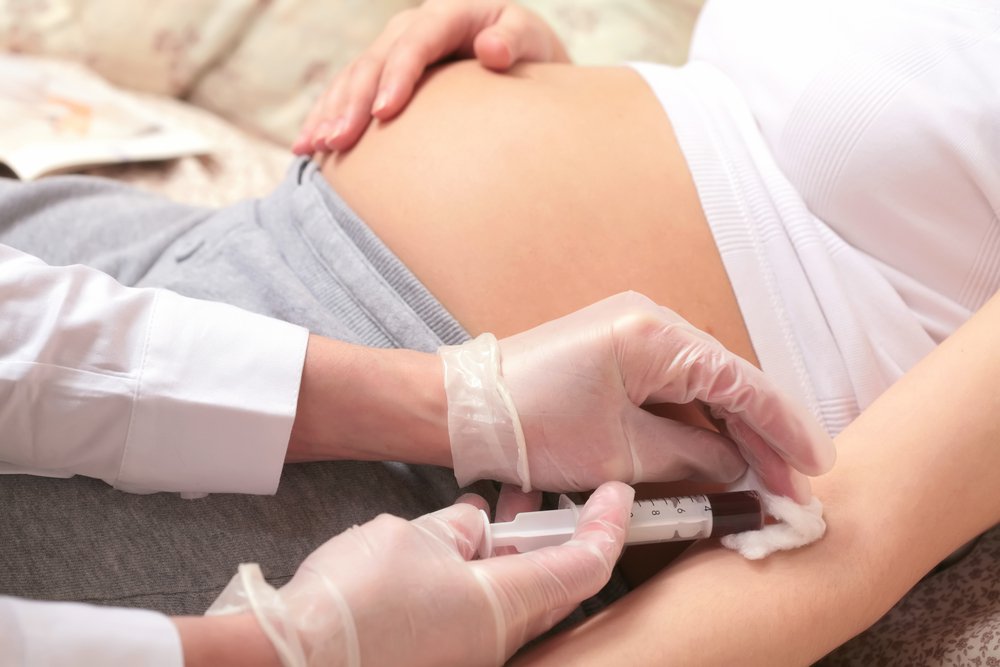
1. Vaginal swab test
A doctor or trained healthcare professional collects a small sample of vaginal fluid using a swab. Depending on the test, the sample may be checked for signs of infection or sent for laboratory testing.
2. Vaginal swab culture
A culture test checks whether certain germs grow from the collected sample. Some culture tests can also help identify which medicines may work against the germs found.
3. Other infection tests
Your doctor may recommend additional tests for specific infections based on your symptoms, examination and pregnancy history.
A vaginal swab is not necessary for every case of white discharge. Your doctor will decide whether testing is needed.
How should you prepare for a vaginal swab test?
Follow the instructions given by your doctor or laboratory. Tell your doctor if you are pregnant and mention any medicines or vaginal products you have used.
Do not stop prescribed medicine unless your doctor tells you to. Ask whether you should avoid any vaginal products or activities before the sample is collected.
Can a test result confirm the cause?
A test result helps the doctor identify the cause, but it must be interpreted with your symptoms and medical history.
A negative result may not rule out every possible infection, and a positive result does not always mean that the detected germ is causing your symptoms. The type of test and clinical findings matter.
When Should You Consult a Doctor About White Discharge?
Contact your gynaecologist or maternity care team if you notice:
-
Discharge with a strong or unpleasant smell.
-
Yellow, green or unusual grey discharge.
-
Itching, burning or soreness.
-
Pain or burning while passing urine.
-
Pain in the lower abdomen or pelvis.
-
New or unexplained spotting or blood-stained discharge.
When do you need urgent medical care?
Seek urgent maternity assessment if you experience:
-
A sudden gush of fluid or continuous watery leakage from the vagina.
-
Vaginal bleeding during pregnancy, especially more than light spotting.
-
Severe abdominal pain, fainting or marked dizziness.
-
Discharge with fever or feeling very unwell.
-
Fluid leakage with pain, bleeding or greenish fluid.
Do not wait for a laboratory test or report if you have these warning signs. Contact your maternity unit or go to the nearest emergency department as appropriate.
How Can Max Lab Help?
Max Lab offers diagnostic testing services that may help when your doctor recommends laboratory investigations during pregnancy.
High Vaginal Swab Culture and Sensitivity Test
Max Lab lists a High Vaginal Swab Culture and Sensitivity Test. This test uses a vaginal swab sample to help investigate certain infections. Your doctor can advise whether it is suitable for your symptoms.
Please note that the listed test page states that home sample collection is not available for this test. Check the current booking details and availability for your location before making an appointment.
How to take the next step
-
Speak to your gynaecologist about your symptoms.
-
Ask whether a vaginal swab or another test is needed.
-
Review the test details and booking options on Max Lab.
-
Share the report with your doctor for interpretation and treatment advice.
Explore the Max Lab website to review diagnostic services and available booking options. Testing should support medical advice, not replace an examination when warning signs are present.
Conclusion
White discharge during pregnancy is usually a normal part of the body's changes. It helps keep the vagina clean and may increase as pregnancy progresses. Normal discharge is generally clear or milky white and does not have a strong or unpleasant smell.
However, discharge with itching, burning, pain, an unpleasant smell or an unusual colour may indicate an infection that needs medical attention. Sudden fluid leakage or vaginal bleeding should be checked urgently.
If you are concerned about discharge during pregnancy, consult your gynaecologist for the right advice and tests, if needed. Max Lab can help you explore relevant diagnostic testing services, including the High Vaginal Swab Culture and Sensitivity Test, when recommended by your doctor.
















 To reach our help desk call 7982100200
.png)