




Home Sample Collection

Highly Trained Staff & Doctors

Same Day Reports Over Email

Zero Contamination QualiCare Kit

Home > Category > Heart Test > Heart Test in Pune
Showing 1 - 15 of 31
A Heart Profile Test is a collection of blood tests that helps provide information about various parameters related to cardiovascular health. Depending on the package, it may include investigations related to cholesterol, blood glucose, cardiac markers, kidney function, liver function, and other parameters.
For people living in Pune, factors such as changing lifestyles, prolonged sitting, work-related stress, unhealthy eating habits, smoking, alcohol consumption, and insufficient physical activity can contribute to cardiovascular risk. Regular health check-ups can help monitor important health parameters.
Max Lab provides Heart Profile Tests at its diagnostic centres in Pune, with trained technicians handling sample collection and qualified professionals involved in laboratory testing and reporting.
A Heart Profile Test in Pune may include multiple blood investigations to assess parameters associated with cardiovascular health.
Depending on the doctor's recommendation or selected health package, it may include:
Complete Blood Count
Lipid Profile
Liver Function Test
Kidney Function Test
Blood Glucose
Total Cholesterol
Cardiac markers
These tests may help doctors monitor cardiovascular risk factors and existing health conditions.
Heart disease can affect individuals across different age groups. Certain lifestyle and health-related factors may increase the risk.
These include:
Unhealthy diet
Lack of physical activity
Smoking
Excessive alcohol consumption
High blood pressure
Obesity
Diabetes
High cholesterol
Stress
Family history of cardiac disease
Maintaining an active lifestyle, eating a balanced diet, and getting regular health assessments can help support cardiovascular health.
Heart disease can occur in several forms. Some are congenital, while others develop over time.
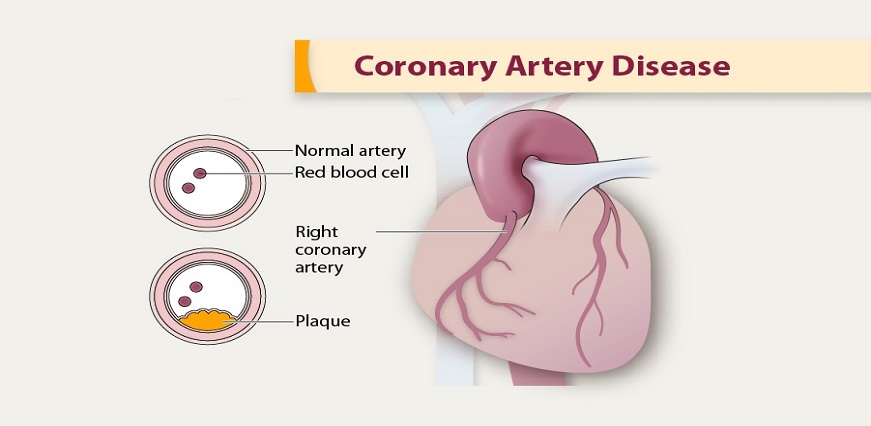
Coronary artery disease occurs when plaque accumulates inside the arteries that supply blood to the heart. Reduced blood flow can contribute to conditions such as:
Angina
Heart attack
Heart failure
Arrhythmia
Heart disease can also affect the heart muscle and valves.
Heart disease may be associated with inadequate blood and oxygen supply to the heart, problems affecting blood vessels, damage to the heart muscle, or abnormalities in heart rhythm.
Risk factors include:
High blood pressure
Smoking
Excessive alcohol intake
Obesity
Diabetes
Family history
Unhealthy eating habits
Physical inactivity
Long-term stress
Heart valve problems
Common symptoms may include:
Chest pain
Chest pressure or heaviness
Shortness of breath
Dizziness or fainting
Fatigue
If these symptoms are persistent, recurrent, or sudden, medical evaluation should not be delayed. A doctor may recommend a Heart Profile Test, ECG, or other cardiac investigations.
The following habits can help support cardiovascular health:
Eat nutritious food
Exercise regularly
Maintain a healthy body weight
Limit alcohol consumption
Quit smoking
Monitor blood pressure and cholesterol
Manage blood glucose
Schedule regular health check-ups
A doctor may recommend a Heart Profile Test for cardiovascular assessment or monitoring.
The test may be considered for individuals with:
Type 2 diabetes
High blood pressure
Coronary heart disease
High triglyceride levels
Iron deficiency
Autoimmune diseases
Kidney disease
Family history of heart disease
The tests required may vary according to the individual's medical history and symptoms.
At Max Lab diagnostic centres in Pune, blood samples for a Heart Profile Test are collected by trained technicians following appropriate sample collection procedures.
Online test booking is available. Once the report is received, individuals should consult a doctor or cardiologist to understand the results and determine whether further investigations or treatment are required.
There are multiple components of heart tests available at Max Lab since a number of enzymes, hormones, and proteins have to be analysed simultaneously. A cardiac profile test is a comprehensive panel that helps in monitoring complete blood count, cholesterol, kidney function, liver function, lipid profile, urine routine, blood glucose, troponin, C - reactive protein, etc. Hence, there is no single heart test that can provide detailed information about its health. A series of blood tests are conducted to understand the overall performance of the heart.
Cardiac markers help in analysing the health of the heart in a comprehensive manner. Thus, people with a higher risk of getting cardiac conditions should book a cardiac profile test. These include individuals who have high blood pressure, type 2 diabetes, high triglycerides, fatty liver, kidney disease, etc. People who have a family history of congestive heart failure should also get these tests done every year. It is also recommended for the elderly so that their heart health can be kept in check thoroughly.
There are several signs that can be indicative of an unhealthy heart. One of the most common symptoms is shortness of breath. This is observed among women and men alike. Coupled with chest discomfort, swollen feet, heartburn, fatigue, nausea, sleep apnea, and dizziness, a person is at high risk of a heart attack or blockage. For individuals who experience these symptoms often, it is important to get a cardiac profile test done from Max Lab. This series of tests will help determine the severity of heart-related issues in the most accurate manner.
A cardiac profile test by Max Lab is conducted to check the heart health of an individual. This cardiac panel includes a series of tests such as a complete blood count test, hbA1c test, kidney function test, liver function test, lipid profile test, and urine routine test. The purpose of conducting these diagnostic tests is to monitor enzymes, hormones, and proteins connected to the heart muscles. Their levels can help in gauging the functioning of the heart. This is a routine health check-up recommended for people with pre-existing cardiac issues and the elderly with compromised immune systems. Max Lab provides an at-home sample collection service for this test to avoid heart attacks and other serious complications.
Since heart disease includes a range of cardiac conditions, it is not possible to conduct a single diagnostic test. This is because a series of lab tests help in monitoring the heart’s health in a comprehensive manner. Proper diagnosis of any heart-related issue is only after a panel of tests is conducted at a pathology lab. These include a complete blood count test, hbA1c test, kidney function test, liver function test, urine routine test, lipid profile test, etc. Besides these blood tests, it is suggested to conduct an electrocardiogram or EKG, an echocardiogram, a stress test, a CT scan, and an MRI scan of the heart. With blood and image testing, a complete heart check-up is ensured by reputed diagnostic centres like Max Lab
Yes, the report of a blood test can detect heart problems in an individual but only when other diagnostic procedures have similar results. This means that several tests, blood and image, need to be conducted on an individual to analyse the overall health of their heart. The blood tests for heart-related issues check the complete blood count, hbA1c, kidney function, liver function, lipid profile, and urine. These diagnostic tests coupled with an electrocardiogram or EKG, an echocardiogram, a stress test, and the heart’s MRI, and CT scans can help in detecting heart problems in the most comprehensive manner.
Cardiac markers such as high-sensitivity CRP, lipoprotein (a), plasma ceramides, natriuretic peptides, troponin T, etc., help in gauging the health of the heart. The tests conducted to check the levels of cardiac markers are available at Max Lab in several health packages. Besides blood tests, there are other screenings conducted on an individual to check for blockages. These include an electrocardiogram or EKG, an echocardiogram, an MRI scan, a CT scan, and a stress test. The results of these imaging tests can help in understanding the severity of heart blockages.
Yes, the lipid profile test helps in determining heart disease. But a comprehensive analysis of the heart is best done with the help of other blood and imaging test. A lipid profile test is conducted to check the heart muscle for fat molecules (lipids). As this is a panel of blood tests, Max Lab ensures that the test reports are accurate and trustworthy. In a lipid profile, the following types of lipids are tested to help in investigating heart-related issues in an individual:
The cholesterol of a person is tested with the help of a lipid profile screening. This diagnostic procedure helps in determining the levels of cholesterol. A lipid profile test helps in checking total cholesterol content in the blood along with low-density lipoprotein (LDL) cholesterol, very low-density lipoprotein (VLDL) cholesterol, high-density lipoprotein (HDL) cholesterol, and triglycerides. With the results provided in these blood tests, a medical practitioner can gauge the level of good and bad cholesterol present in a person’s blood and prescribe treatment accordingly.

Sometimes, serious health conditions do not come alone, but in a cluster that...Read More
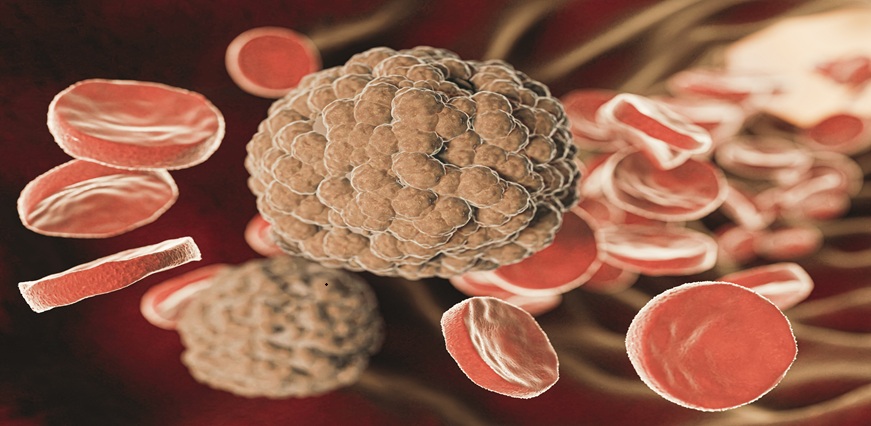
The heart is one of the most vital organs of human body. It is responsible fo...Read More

When we think of key drivers of ...Read More

“The heart is the engine of life. Take care of it.”...Read More

Bradycardia is defined as a slower than normal heart rate, typically fewer th...Read More

Insulin resistance is a term that has become increasingly common in discussio...Read More

Heart cancer is often overshadowed by more common types of cancer, yet it des...Read More

Cholesterol is a waxy substance produced by the liver, essential for protecti...Read More
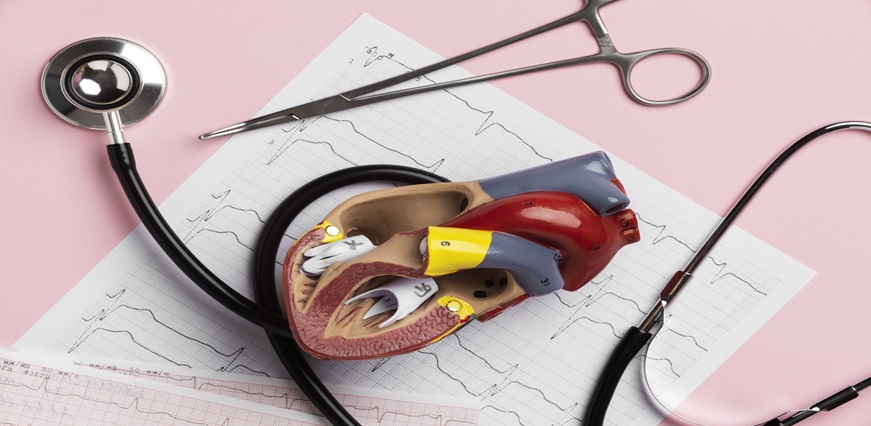
Myocarditis refers to the inflammation of the heart muscle, ...Read More

What Is Heart Block? The heart's rhythmic be...Read More

High blood pressure (HBP), also known as hypertension, is a common health con...Read More

Regular heart health checkups are crucial for maintaining one’s overall...Read More

Cholesterol is a waxy, fat-like substance and steroid found in the cells of t...Read More
Are you striving for a healthier lifestyle? Seeking the key to unlocking opti...Read More

Welcome to our blog post on arrhythmia - a condition that affects the rhythm ...Read More

Are you constantly feeling your heart racing or pounding in your chest? You m...Read More

Congenital Heart Defect (CHD) is a congenital disability that affects the ana...Read More
Heart disease is one of the most common ailments affecting millions of men an...Read More

Uric acid is a chemical created when the body breaks down substances called p...Read More
...Read More
Lipids are organic compounds such as fats, oils, and hormones that are presen...Read More

Living with low blood pressure can be tricky at times, especially when it com...Read More

High blood pressure, sometimes referred to as hypertension, is a condition wh...Read More

If you have high blood pressure, you know that it can be a major problem. Not...Read More
Coronary artery disease or simple CAD is a heart condition found among people...Read More

World Stroke Day was established in 2004 at the World Stroke Congress. This i...Read More

Heart diseases affect millions of men and women worldwide and are one of the ...Read More

Cholesterol is a fatty substance that is found in the human body and is respo...Read More

One of the most important organs in the human body is the heart. Its main fun...Read More

With the stress and pressures related to the modern-day lifestyle, focusing o...Read More
.png)

 SORT
SORT











 To reach our help desk call 7982100200