









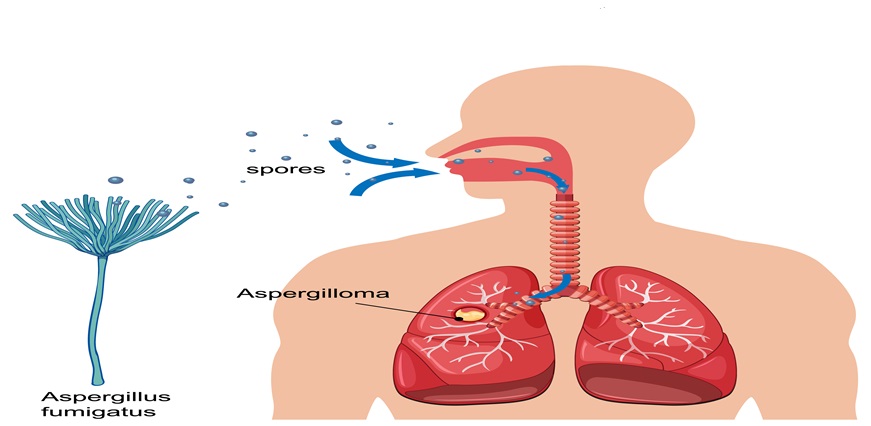
Aspergillosis is a fungal infection caused by Aspergillus, a species of mould. This mould species are found all over the world and has more than 180 identified types. Although most of these moulds are harmless, a few are known to cause a variety of health issues in humans. Ranging from simple allergic reactions to life-threatening conditions, these health issues are collectively defined as aspergillosis.
Types
There are three different types of aspergillosis:
- Allergic Aspergillosis: Often referred to as allergic bronchopulmonary aspergillosis (ABPA), this is a condition in which the fungus causes allergic reactions such as coughing, wheezing, etc. Individuals with existing lung problems like cystic fibrosis or asthma are more susceptible to this infection.
- Chronic Aspergillosis: Sometimes, exposure to Aspergillus may lead to severe fungus growth. Also known as a fungus ball, this growth usually consists of fungus, clots, and white blood cells. Although it doesn’t spread to other body parts, it can increase in size and cause damage to lung tissues. Individuals with tuberculosis or any other lung-related problems are at a higher risk of this infection.
- Invasive Aspergillosis: As the name suggests, this infection invades one’s lung tissues and can cause issues like pneumonia. When left untreated for a long time, invasive aspergillosis can spread to the kidneys and sometimes the brain as well. This type of infection mainly affects individuals with compromised immune systems due to conditions like leukaemia or any other type of cancer.
Causes of Aspergillosis
The only cause of aspergillosis disease is exposure to aspergillus. Generally, this fungus grows on dead leaves, stored grain, compost piles, or in decaying vegetation. Other than this, it can also be found on marijuana leaves. Almost every person comes into contact with this fungus on a regular basis. However, individuals with a weak immune system are at a higher risk of contracting this infection. People who have a healthy immune system rarely get this infection, despite being exposed to aspergillus for a prolonged period of time.
Symptoms
The symptoms of aspergillosis may vary depending on the type and severity of the infection. For example, individuals with allergic bronchopulmonary aspergillosis (ABPA) experience symptoms like coughing, wheezing, and shortness of breath. While some other types of aspergillosis may cause symptoms like fever, excessive mucus production, sudden weight loss, etc.
Other than this, here are a few symptoms that one may experience, depending on the body part that is getting affected:
- Bone pain
- Chest pain
- Decreased urine output
- Frequent headaches
- Blood in phlegm
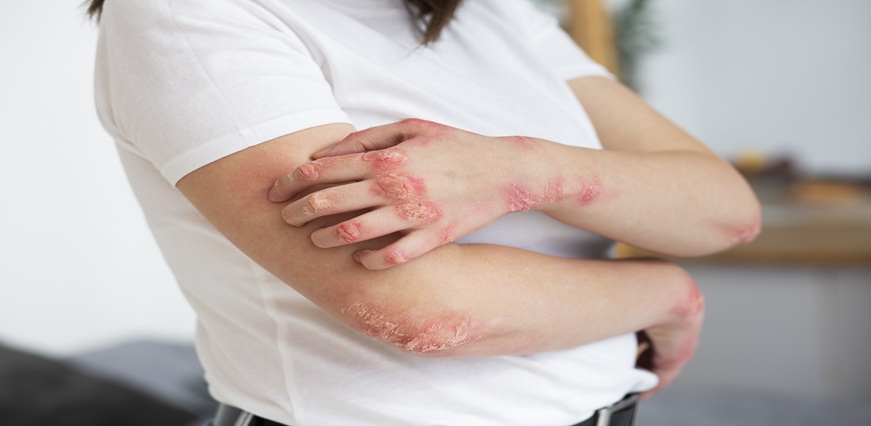
- Skin sores (lesions)
- Vision problems
Diagnosis
If an individual experiences any of these symptoms, it is recommended to visit a doctor immediately. He/she will perform a physical examination to diagnose the problem. Other than this, the doctor may suggest a few tests/scans as well.
Here are a few tests mainly used for the diagnosis of aspergillosis infection:
- Aspergillus antibody test
- Chest x-ray
- Complete blood count test
- CT scan
- Galactomannan
- Immunoglobulin E (IgE) blood level
- Lung function tests
- Sputum stain and culture test
- Tissue biopsy
Complications
Aspergillosis is a condition that requires immediate medical attention. If not treated on time, this infection can lead to a number of health problems. Here are a few common complications that are caused by delayed treatment of aspergillosis disease:
- Kidney damage
- High fever and chills
- Bronchiectasis (permanent scarring and enlargement of the small sacs in the lungs)
- Bleeding from lung tissues
- Mucus plugs in the airways
- Permanent airway blockage
- Respiratory system failure
Treatment
The treatment method used for aspergillosis usually depends on the type of infection an individual has. In most cases, the doctor will prescribe antifungal medicines for a few weeks to eliminate the infection. These medicines can be given by mouth or through an IV (into a vein). When an aspergillosis infection gets severe, it may lead to bleeding into the lung tissue. In such a case, the doctor will suggest surgery along with long-term antifungal medication.
For allergic aspergillosis treatment, the doctor prescribes immunosuppressive medicines, typically in conjunction with antifungals. These medicines suppress the immune system and help treat the infection. Although this infection gets better with proper treatment, there are always chances of reoccurrence. In such a case, the same treatment needs to be repeated.

















 To reach our help desk call 7982100200
.png)
Comments