










Lupus disease is a chronic autoimmune condition in which the immune system mistakenly attacks the body's own healthy tissues. This abnormal immune response can cause inflammation and affect different parts of the body, including the skin, joints, blood, kidneys, heart, lungs and nervous system. Because lupus can produce many different symptoms and may resemble other illnesses, diagnosing it can sometimes be challenging.
Lupus can affect people differently. Some people may experience mainly joint pain and skin symptoms, while others may develop problems involving important organs. Symptoms can also come and go, with periods of increased activity called flare-ups and periods when symptoms are mild or absent. Although there is currently no cure for lupus, appropriate medical treatment and lifestyle changes can help control symptoms, reduce flare-ups and protect affected organs.
In this blog, we will discuss lupus disease, its meaning, types, causes, symptoms, risk factors, complications, diagnosis, treatment options and ways to live a healthier life with the condition.
What Is Lupus Disease?
Lupus disease is an autoimmune disorder that occurs when the immune system becomes overactive and attacks healthy cells and tissues. Normally, the immune system protects the body from infections and other harmful substances. In lupus, this protective system mistakenly identifies some of the body's own tissues as threats.
This can lead to inflammation and, in some cases, tissue or organ damage. Lupus may affect one area of the body or several organs at the same time. The severity can range from mild symptoms to serious complications.
The most common form is systemic lupus erythematosus (SLE). "Systemic" means that the condition can affect multiple systems of the body. Other forms mainly affect the skin or may develop after exposure to certain medicines.
Types of Lupus
Lupus is not a single condition. Different forms can affect the body in different ways.
1. Systemic Lupus Erythematosus
Systemic lupus erythematosus, or SLE, is the most common type. It can affect multiple organs and body systems, including the skin, joints, kidneys, blood, lungs, heart and nervous system. The severity varies from person to person.
2. Cutaneous Lupus
Cutaneous lupus mainly affects the skin. It can cause different types of rashes and other skin changes. Sun exposure may worsen skin symptoms in some people.
3. Drug-Induced Lupus
Some medicines can cause a lupus-like illness known as drug-induced lupus. Symptoms generally improve after the responsible medicine is stopped under medical supervision. Max Lab identifies medicines such as hydralazine and procainamide among drugs associated with drug-induced lupus.
4. Neonatal Lupus
Neonatal lupus is a rare condition that can occur in newborns because of certain antibodies transferred from the mother during pregnancy. It is different from SLE in adults and does not mean that the baby will necessarily develop systemic lupus later in life.
What Causes Lupus Disease?
The exact cause of lupus disease is not fully understood. Researchers believe that it develops through a combination of genetic, hormonal, environmental and immune-system factors rather than from one single cause.
- Genetic Factors
Having certain genetic variations may increase a person's susceptibility to lupus. A family history of lupus or another autoimmune condition may also increase the likelihood of developing the disease. However, having a family member with lupus does not mean that a person will definitely develop it.
- Environmental Triggers
Environmental factors may contribute to triggering lupus in people who are genetically susceptible. These may include exposure to ultraviolet light, certain infections and smoking.
- Hormonal Factors
Lupus is much more common in women, particularly during the reproductive years. Hormonal influences are therefore being studied as one factor that may contribute to disease development and activity.
- Certain Medicines
Some medications can cause drug-induced lupus. This form generally behaves differently from systemic lupus and may improve after the causative medicine is discontinued under medical guidance.
- Stress and Lupus
Stress is not considered a single direct cause of lupus. However, stress may contribute to symptom worsening or trigger flare-ups in people who already have lupus. Managing stress can therefore be part of an overall disease-management plan.
Who Is More Likely to Develop Lupus?
Anyone can develop lupus, but certain groups have a higher risk.Lupus most often develops between the ages of 15 and 45, although it can occur at any age. Women are affected much more frequently than men. People with a family history of lupus or another autoimmune condition may also have an increased risk.
The disease also occurs more frequently in certain racial and ethnic groups, although lupus can affect people of any background.
Having a risk factor does not mean that a person will definitely develop lupus. Diagnosis depends on symptoms, examination and appropriate laboratory testing.
Symptoms of Lupus Disease
One of the most challenging aspects of lupus disease is that symptoms can vary significantly from one person to another. Symptoms may also appear and disappear over time.
Common symptoms include:
- Persistent fatigue
- Fever
- Joint pain and swelling
- Morning stiffness
- Skin rashes
- Facial rash
- Hair loss
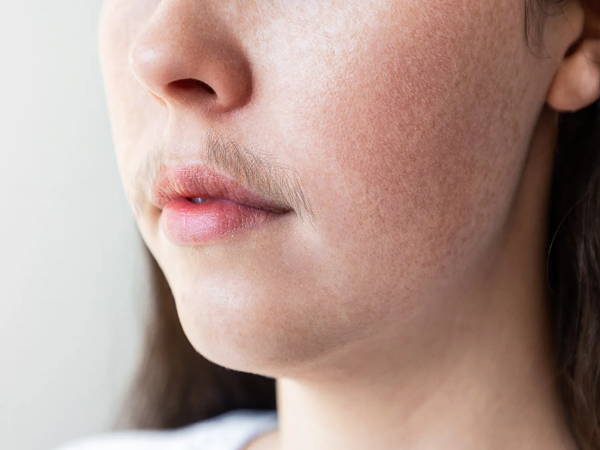
- Mouth or nose sores
- Headaches
- Swelling around the legs or eyes
- Shortness of breath
- Chest discomfort
- Changes in the fingers or toes in response to cold or stress
- Swollen glands
- Confusion or changes in concentration
- Abdominal discomfort
Not everyone with lupus will experience all of these symptoms.
- Fatigue and Weakness
Fatigue is one of the commonly reported symptoms of lupus. A person may feel unusually tired even after getting adequate sleep.Fatigue can be related to active inflammation, anemia, poor sleep, medications or other health issues. If fatigue becomes persistent or interferes with daily activities, it is important to discuss it with a healthcare professional.
- Joint Pain and Swelling
Lupus can cause inflammation in the joints. This may lead to pain, swelling and stiffness, particularly in the morning.Joint symptoms can sometimes resemble other inflammatory or rheumatological conditions. A doctor may therefore use the overall pattern of symptoms and laboratory results to determine whether lupus is a possible cause.
- Skin Rashes and Sun Sensitivity
Skin symptoms are common in lupus. Some people develop rashes after exposure to sunlight, while others may notice persistent skin changes.
A butterfly-shaped rash across the cheeks and nose is one of the commonly recognized signs associated with lupus, although not everyone with lupus develops it. People with photosensitive lupus may benefit from sun-protection measures such as protective clothing, sunglasses and sunscreen.
- Hair Loss and Mouth Sores
Hair thinning or hair loss can occur in some people with lupus. Painless sores in the mouth or nose may also develop.
These symptoms can occur for many other reasons as well, so they should not be considered proof of lupus without medical evaluation.
- Lupus Flare-Ups
Lupus often follows a pattern of flares and remission.A flare-up occurs when symptoms become more active or severe than usual. During a flare, a person may experience increased fatigue, joint pain, rashes, fever or other symptoms depending on the organs affected.
Between flare-ups, symptoms may become mild or disappear for a period of time. The timing and severity of flares can vary considerably between individuals.
Recognizing personal triggers and following the prescribed treatment plan can help with long-term management.
Organs That Lupus Can Affect
Because lupus is systemic, it can affect several organs.
- Kidneys
Kidney inflammation, sometimes called lupus nephritis, is an important complication of SLE. Kidney involvement may initially cause few noticeable symptoms, which is why urine and kidney-function testing can be an important part of monitoring.
- Heart and Blood Vessels
Lupus-related inflammation can affect the heart and blood vessels and may increase cardiovascular risks.
- Lungs
Some people can develop inflammation involving the lungs or the lining surrounding the lungs, which may contribute to chest discomfort or breathing difficulties.
- Blood
Lupus can affect blood cells and may be associated with anemia or low levels of white blood cells or platelets.
- Brain and Nervous System
In some cases, lupus can affect the nervous system and contribute to symptoms such as headaches, confusion, mood changes or seizures.
Complications of Lupus Disease
Untreated or poorly controlled lupus disease can sometimes lead to complications. The risk depends on which organs are affected and how active the disease is.
Possible complications include:
- Kidney disease
- Heart disease
- Anemia
- Osteoporosis
- Blood-clotting problems
- Raynaud's phenomenon
- Lung complications
- Neurological complications
- Mental-health concerns
Max Lab also identifies dry eyes, light sensitivity and depression among problems that may occur in people with lupus.
Regular medical follow-up is important because some organ involvement may develop without obvious symptoms in the early stages.
How Is Lupus Diagnosed?
Diagnosing lupus can be difficult because there is no single test that can diagnose lupus in every patient. Doctors consider the person's symptoms, medical history, family history, physical examination and laboratory results together.
A rheumatologist may be involved in the diagnosis and long-term management of lupus.
- Blood Tests
Doctors may recommend several blood tests, including:
- ANA Test
The antinuclear antibody or ANA test is commonly used when lupus is suspected. It is a sensitive screening test, but a positive ANA does not by itself confirm lupus because healthy people can also have a positive ANA.
- Other Antibody Tests
Depending on the clinical situation, doctors may order tests for antibodies such as anti-double-stranded DNA and anti-Smith antibodies, along with antiphospholipid antibodies.
- Complete Blood Count
A CBC may help identify anemia or low platelet and white blood cell counts that can occur with lupus.
- Kidney Function Tests
Blood tests may be used to evaluate kidney function when lupus-related kidney involvement is suspected.
- Urine Tests
Urinalysis can help identify abnormal protein or other changes that may suggest kidney involvement.
- Biopsy
In selected cases, a doctor may recommend a skin or kidney biopsy. A small tissue sample is examined under a microscope to look for signs of inflammation or immune-related damage.
Treatment of Lupus Disease
There is currently no cure for lupus, but lupus disease treatment can help control symptoms, prevent or reduce flare-ups and protect organs from damage. Treatment is individualized because symptoms and disease severity vary from person to person.
Treatment may include:
- Antimalarial Medicines
Medicines such as hydroxychloroquine are commonly used in lupus management and may help with symptoms involving the skin and joints and reduce disease activity in appropriate patients.
- Anti-Inflammatory Medicines
Nonsteroidal anti-inflammatory drugs may be used for certain types of mild joint or muscle pain and fever when appropriate. They should be taken only according to medical advice because they may not be suitable for everyone.
- Corticosteroids
Steroids may be prescribed to control inflammation, particularly when disease activity is significant. The dose and duration depend on the patient's condition.
- Immunosuppressive Medicines
Immunosuppressive medicines may be used when lupus affects important organs or requires stronger disease control. Treatment is selected according to the specific organ involvement and overall risk.
- Other Targeted Treatments
Some patients may require additional medicines based on their symptoms and disease severity. Modern lupus treatment aims to control disease activity while minimizing medication-related side effects. Patients should never start, stop or change lupus medication without speaking with their treating doctor.
Lifestyle Changes for Managing Lupus
Medical treatment is only one part of managing lupus disease. Healthy lifestyle habits can also support overall well-being.
Protect Yourself From Sun Exposure
Sunlight can worsen symptoms in some people with lupus. Wearing protective clothing, using sunscreen and limiting prolonged direct sunlight can help reduce exposure.
- Exercise Regularly
Low-impact activities such as walking and swimming can help maintain mobility, improve mood and support bone health. Exercise should be adjusted according to symptoms and physical ability.
- Get Adequate Rest
Fatigue is common in lupus, so maintaining a healthy sleep routine and allowing adequate recovery time can be useful.
- Eat a Balanced Diet
A nutritious diet can support overall health. Emphasize vegetables, fruits, whole grains, appropriate protein sources and healthy fats while limiting excessive saturated fat and highly processed foods.
- Avoid Smoking
Smoking can worsen overall health and may also be associated with lupus-related risks. Quitting smoking is an important health goal.
- Manage Stress
Stress management techniques such as relaxation exercises, meditation, gentle physical activity and adequate sleep may help improve overall well-being.
Follow Your Treatment Plan
Regular appointments and adherence to prescribed medicines are essential. Even when symptoms improve, medication should not be stopped without medical advice.
Can Lupus Be Prevented?
There is currently no guaranteed way to prevent lupus because its exact cause is not known. However, people can reduce exposure to some factors that may contribute to disease activity.
These include:
- Avoiding smoking
- Protecting the skin from excessive sunlight
- Maintaining a balanced diet
- Getting adequate sleep
- Managing stress
- Attending regular medical appointments
- Taking medicines exactly as prescribed
For people already diagnosed with lupus, these steps may support disease management rather than prevent the disease itself.
When Should You See a Doctor?
You should consider medical evaluation if you experience persistent or unexplained symptoms such as:
- Extreme or ongoing fatigue
- Repeated joint pain or swelling
- Unexplained fever
- Persistent skin rashes
- Unusual hair loss
- Recurrent mouth sores
- Swelling around the legs or eyes
- Changes in urine
- Chest pain or breathing difficulty
- Unexplained blood-count abnormalities
These symptoms do not automatically mean you have lupus. Many other conditions can cause similar complaints. A doctor can determine whether further testing is appropriate.
Living With Lupus
Being diagnosed with a chronic autoimmune disease can be challenging, but lupus can often be managed with appropriate care. Symptoms may change over time, so maintaining communication with your healthcare team is important.
Keeping a record of symptoms can help identify patterns and possible triggers. It can also be useful to note medication changes, sleep patterns, stress levels and symptoms during flare-ups.
Emotional support is equally important. Living with fatigue, pain or unpredictable symptoms can affect mental well-being. Speaking with family members, a mental-health professional or a suitable support group may help.
The goal of treatment is not only to control immediate symptoms but also to reduce disease activity and protect organs over the long term.
Conclusion
Lupus disease is a chronic autoimmune condition that can affect many parts of the body. Its symptoms can range from fatigue, fever, joint pain and skin rashes to more serious complications involving the kidneys, heart, lungs, blood or nervous system. Because symptoms vary significantly and may resemble other illnesses, diagnosis requires a combination of medical history, physical examination, blood tests, urine tests and, in selected cases, tissue biopsy.
Although lupus currently has no cure, appropriate treatment can help control symptoms, reduce flare-ups and protect organs. Medicines may include antimalarial drugs, anti-inflammatory medicines, corticosteroids and immunosuppressive or other targeted treatments, depending on the individual's condition. Lifestyle measures such as sun protection, regular low-impact exercise, adequate rest, a balanced diet, stress management and avoiding smoking can complement medical treatment. If you have persistent symptoms that could be related to lupus, consult a qualified healthcare professional for proper evaluation rather than relying on self-diagnosis.


















 To reach our help desk call 7982100200
.png)