









H1N1 flu, commonly called swine flu, is a type of influenza infection that affects the respiratory system. The H1N1 virus that caused the 2009 pandemic is now known as A(H1N1)pdm09 and continues to circulate as a seasonal influenza virus. It can cause mild illness in many people, but some people may develop serious complications.
What is H1N1 Flu (Swine Flu)?
H1N1 flu is a respiratory infection caused by an influenza A virus. It mainly affects the nose, throat and lungs. The infection can spread from one person to another, especially when an infected person coughs, sneezes, talks or breathes near others. Most healthy people recover within about a week, but symptoms such as cough and tiredness may last longer.
The name “swine flu” became popular because the 2009 H1N1 virus had genetic links to influenza viruses found in pigs. However, the H1N1 virus circulating in humans today is considered a seasonal human influenza virus, not simply a disease that comes from pigs.
What are the symptoms of H1N1 flu?
H1N1 flu symptoms often begin suddenly. Common symptoms include fever, cough, sore throat, headache, body aches and tiredness. A runny or blocked nose may also occur. Some children may have nausea, vomiting or diarrhoea along with breathing-related symptoms. Not everyone with influenza has a fever.
Common H1N1 flu symptoms include:
- Fever or feeling feverish
- Dry cough
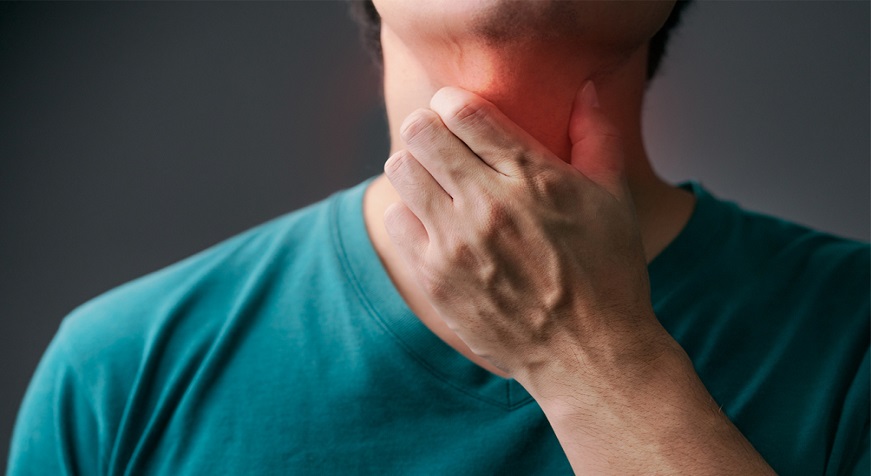
- Sore throat
- Headache
- Muscle and joint pain
- Extreme tiredness
- Runny or blocked nose
- Chills
- Nausea or vomiting, especially in children
- Diarrhoea, especially in some children
Symptoms can look similar to other viral respiratory infections. Therefore, symptoms alone cannot always confirm H1N1 flu.
What causes H1N1 flu?
H1N1 flu is caused by the influenza A(H1N1) virus. The virus can spread when an infected person releases virus-containing particles while coughing, sneezing, talking or breathing. A person can become infected after being close to someone who has influenza. The virus can also spread through contaminated hands and surfaces.
H1N1 flu is not caused by cold weather alone. Weather and seasonal patterns can affect how influenza spreads, but the infection itself is caused by the influenza virus.
How does H1N1 flu spread?
H1N1 flu spreads easily between people. An infected person can release infectious particles into the air while coughing, sneezing, talking or breathing. People nearby may breathe these particles in and become infected. The virus can also spread when contaminated hands touch the mouth, nose or eyes.
The risk can be higher in crowded and poorly ventilated places, where people stay close together for a long time.
How long after exposure do H1N1 symptoms start?
Influenza symptoms usually begin about 2 days after infection, although the time can range from around 1 to 4 days. This means a person may become sick a few days after coming into contact with the virus. People can also spread influenza before they realise they are sick.
Who is at higher risk of severe H1N1 flu?
Anyone can get influenza, but some people have a higher risk of developing serious illness or complications. These include pregnant women, children under 5 years, older adults, and people with certain long-term health conditions. People with weakened immune systems may also be at greater risk.
Extra care may be needed for people with conditions such as:
- Asthma or other lung diseases
- Heart disease
- Diabetes
- Kidney or liver disease
- Certain blood disorders
- Conditions that weaken the immune system
If you belong to a higher-risk group and develop flu symptoms, it is better to seek medical advice early.
Is H1N1 flu the same as common flu?
H1N1 is a type of influenza A virus, while “flu” is a general term for influenza infections. The symptoms of H1N1 can be very similar to those caused by other seasonal influenza viruses, including H3N2 and influenza B viruses. Because of this, you cannot reliably tell the exact influenza type just by looking at symptoms.
A common cold can also cause cough and a runny nose, but influenza often begins more suddenly and may cause stronger fever, body aches, headache and tiredness.
How is H1N1 flu diagnosed?
Doctors may diagnose influenza based on symptoms and the situation in the community. However, symptoms can overlap with other respiratory infections. When confirmation is needed, a respiratory sample from the nose or throat may be tested in a laboratory.
Laboratory methods can include molecular tests such as RT-PCR, which can detect influenza virus genetic material. Some rapid tests are also available, but their ability to detect infection can be lower than molecular testing.
The doctor decides whether testing is needed based on the person's symptoms, risk factors and clinical condition.
When should you get tested for H1N1 flu?
Testing may be considered when a person has flu-like symptoms, especially when the result may affect treatment or medical care. Testing can be particularly useful for people at higher risk of complications or those who have severe symptoms.
If you have fever, cough, sore throat, body aches or unusual tiredness, speak with a healthcare professional if symptoms are severe, getting worse or you have a higher risk of complications.
How is H1N1 flu treated?
Most people with uncomplicated influenza recover with rest, adequate fluids and care to manage symptoms. People with severe illness or a higher risk of complications may need medical treatment. Antiviral medicines may be recommended by a doctor, particularly for people at higher risk or those with severe illness.
Antiviral treatment works best when started early, so people at higher risk should not delay seeking medical advice.
Do not start antiviral medicines or antibiotics on your own. Antibiotics do not treat influenza because influenza is caused by a virus.
How long does H1N1 flu last?
For many people, the main influenza symptoms improve within 3 to 7 days, and most people recover within about a week. However, cough and tiredness can continue for two weeks or longer, particularly in some older adults and people with chronic lung disease.
If symptoms continue to get worse instead of improving, medical advice should be taken.
How can you prevent H1N1 flu?
The seasonal influenza vaccine is the best way to reduce the risk of influenza and severe illness. Because influenza viruses change over time, vaccine recommendations are updated regularly. Annual vaccination is especially important for people at higher risk of complications.
Other simple steps can also reduce the spread:
- Wash your hands regularly with soap and water.
- Cover your mouth and nose when coughing or sneezing.
- Stay home when you are unwell, where possible.
- Avoid close contact with people who are sick.
- Avoid touching your eyes, nose and mouth with unclean hands.
- Improve ventilation by opening windows when appropriate.
- Avoid crowded, poorly ventilated spaces when flu is spreading.
- Follow your doctor's advice about seasonal flu vaccination.
Can the H1N1 flu vaccine prevent infection?
Seasonal influenza vaccines are designed to protect against the influenza viruses expected to circulate during a particular season. Current seasonal influenza vaccines include protection against A(H1N1)pdm09. Vaccine effectiveness can vary depending on the season, the circulating viruses and individual factors. Even when vaccination does not completely prevent infection, it can reduce the risk of severe illness and complications.
When is H1N1 flu an emergency?
Most influenza infections are mild, but serious illness can occur. Difficulty breathing, shortness of breath, chest pain, severe weakness, confusion, fainting or rapidly worsening symptoms should not be ignored.
People in higher-risk groups should seek medical advice promptly if they develop flu symptoms. Severe influenza can lead to complications such as pneumonia and sepsis.
Seek urgent medical care if there is:
- Difficulty breathing
- Shortness of breath
- Chest pain
- Severe or rapidly worsening weakness
- Confusion or fainting
- Severe dehydration
- Symptoms that improve and then suddenly become worse
H1N1 Flu FAQs
Is H1N1 the same as swine flu?
H1N1 is commonly called swine flu. The name became widely used during the 2009 pandemic. The H1N1 virus that circulated during that pandemic is now known as A(H1N1)pdm09 and continues to circulate as a seasonal influenza virus in humans.
What is the first symptom of H1N1 flu?
H1N1 influenza can start suddenly. Fever, cough, headache, body aches and tiredness are common symptoms. However, not everyone develops all these symptoms, and some people may not have a fever.
Can H1N1 flu cause cough?
Yes. Cough is one of the most common symptoms of influenza. It is often dry and can sometimes continue for two weeks or longer even after other symptoms improve.
Is H1N1 flu contagious?
Yes. H1N1 influenza can spread from an infected person to others through infectious particles released during coughing, sneezing, talking and breathing. It can also spread through contaminated hands and surfaces.
Can H1N1 flu be cured?
Most healthy people recover naturally from influenza. Rest, fluids and symptom care can help. People with severe symptoms or a higher risk of complications may need antiviral treatment prescribed by a healthcare professional.
Can antibiotics treat H1N1 flu?
No. H1N1 is caused by a virus, while antibiotics are used to treat certain bacterial infections. Antibiotics should not be taken for influenza unless a doctor identifies a bacterial infection that also needs treatment.
Can H1N1 flu be detected by a blood test?
A routine blood test does not specifically confirm H1N1 influenza. When laboratory confirmation is required, testing is generally performed on a respiratory sample, such as a sample collected from the nose or throat.
How can I protect my family from H1N1?
Keep hands clean, cover coughs and sneezes, improve indoor ventilation, avoid close contact with sick people and stay home when unwell. Seasonal influenza vaccination can also help reduce the risk of influenza and severe disease.
How Max Lab Can Help
If your doctor recommends laboratory testing for suspected influenza, Max Lab can help with diagnostic testing as advised by your healthcare professional. The appropriate test depends on your symptoms, timing of illness and clinical needs.
If you have flu-like symptoms such as fever, cough, sore throat or body aches, speak with a healthcare professional to understand whether testing is needed.
Important: This article is for general health information only. It does not replace medical advice, diagnosis or treatment from a qualified healthcare professional. If you have severe symptoms or are at higher risk of complications, seek medical care promptly.















 To reach our help desk call 7982100200
.png)