








Fatty liver is a condition in which excess fat accumulates inside the liver. A small amount of fat in the liver can be normal, but excessive accumulation may become a health concern. Fatty liver can be associated with factors such as excess body weight, diabetes, alcohol consumption and unhealthy dietary habits. If the condition is not properly managed, inflammation and liver damage may develop over time.
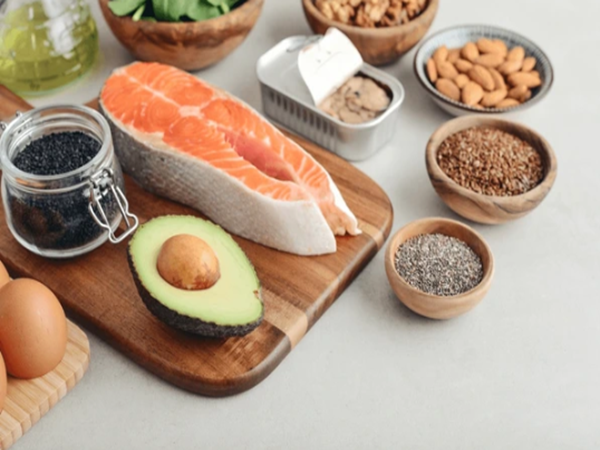
One of the most important parts of managing fatty liver is making appropriate lifestyle and dietary changes. A well-planned fatty liver diet can focus on nutritious foods, adequate fibre, lean sources of protein, healthy fats and whole grains while limiting alcohol, added sugar, highly processed foods, fried foods and excessive saturated fat.
This guide explains what fatty liver is, which foods may support liver health, which foods are better limited or avoided, and what lifestyle habits can complement dietary changes.
What Is Fatty Liver?
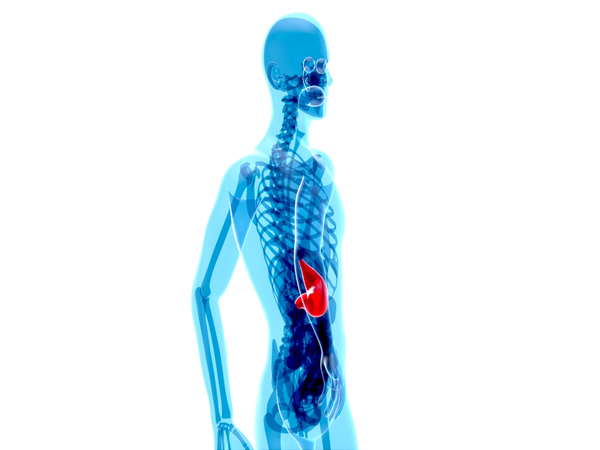
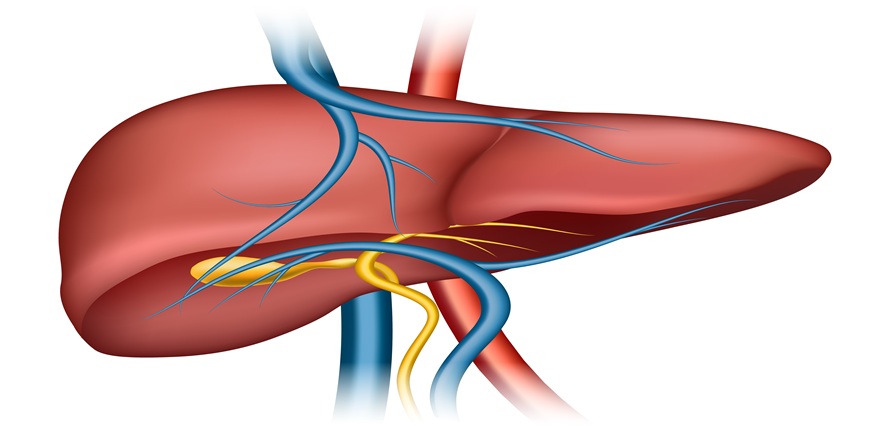
Fatty liver, also called hepatic steatosis, occurs when excess fat builds up in liver cells. The liver performs several essential functions, including helping with digestion, processing nutrients and supporting metabolism.
Fatty liver may occur for different reasons. Excessive alcohol consumption can contribute to alcohol-associated fatty liver, while fatty liver that is not primarily caused by heavy alcohol use has historically been called non-alcoholic fatty liver disease (NAFLD). Current terminology increasingly uses metabolic dysfunction-associated steatotic liver disease (MASLD) for many cases previously described as NAFLD.
The condition may not cause obvious symptoms in its early stages. However, persistent liver fat can sometimes be associated with inflammation and scarring, which makes early management important.
What Is a Fatty Liver Diet?
A fatty liver diet is not a single fixed meal plan. Instead, it is an eating pattern designed to support overall metabolic and liver health while helping manage factors that can contribute to excess liver fat.
The dietary approach generally emphasizes:
- Fresh vegetables and fruits
- Whole grains
- Fibre-rich foods
- Lean protein
- Fish and plant-based protein
- Nuts and seeds
- Healthy unsaturated fats
- Adequate water
At the same time, it is useful to reduce foods and drinks high in added sugar, refined carbohydrates, unhealthy fats and excess calories. Max Lab similarly recommends fresh fruits and vegetables, whole grains, lean protein and healthy fats as components of a diet for fatty liver.
Why Is Diet Important for Fatty Liver?
The liver plays a major role in processing carbohydrates, fats and other nutrients. Dietary patterns that are high in added sugar, refined carbohydrates, excess calories and unhealthy fats may contribute to metabolic problems associated with fatty liver.
Improving food choices can therefore be an important part of managing the condition. If a person is overweight, gradual and sustainable weight management may also be recommended by their healthcare professional.
Diet should not be viewed in isolation. Physical activity, adequate sleep, management of diabetes and cholesterol, and avoiding excessive alcohol can all be important components of liver health.
Foods to Eat for Fatty Liver
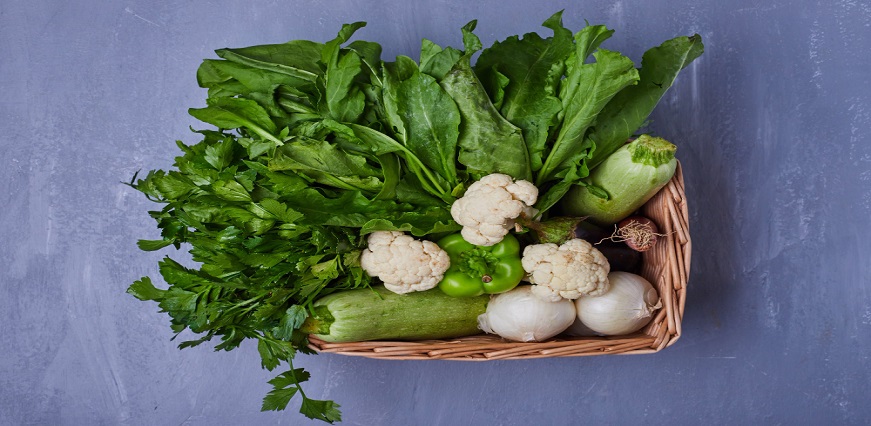
1. Fresh Fruits and Vegetables
Fruits and vegetables are important parts of a balanced fatty liver diet. They provide fibre, vitamins, minerals and other beneficial plant compounds.
Good options include:
- Apples
- Oranges
- Berries
- Papaya
- Guava
- Tomatoes
- Spinach
- Broccoli
- Carrots
- Cauliflower
- Cucumber
- Bell peppers
- Cabbage
Rather than relying on fruit juices, choose whole fruits because whole fruits provide fibre and generally take longer to consume than liquid calories.
A varied selection of vegetables can be included with lunch and dinner to make meals more filling and nutrient-dense.
2. Oatmeal
Oatmeal can be a useful breakfast choice for people following a fatty liver diet. It provides fibre and complex carbohydrates and can be combined with other nutritious ingredients.
You can add:
- Fresh berries
- Apple slices
- Nuts
- Seeds
- A small amount of cinnamon
Avoid turning a healthy bowl of oatmeal into a high-sugar meal by adding excessive sugar, sweetened syrups or highly processed toppings.
Max Lab specifically includes oatmeal among foods that may be incorporated into a fatty liver diet.
3. Whole Grains
Whole grains can provide more fibre than refined grains and can be useful alternatives to highly refined carbohydrate sources.
Examples include:
- Oats
- Quinoa
- Brown rice
- Barley
- Whole-wheat products
- Millets
The goal is not necessarily to eliminate carbohydrates completely. Instead, choosing nutrient-dense, higher-fibre carbohydrate sources and controlling portions can be a more sustainable approach.
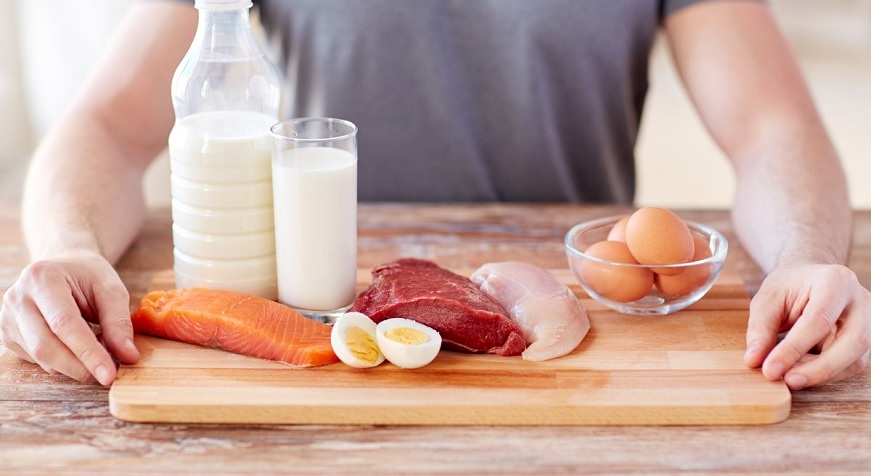
4. Lean Protein
Adequate protein is an important part of a balanced diet. For people with fatty liver, lean and plant-based protein sources may be preferable to fatty processed meats.
Options include:
- Fish
- Skinless chicken
- Tofu
- Lentils
- Beans
- Chickpeas
- Low-fat dairy, where appropriate
Max Lab lists fish, chicken, tofu and lentils among lean protein choices for a fatty liver diet.
The right amount of protein depends on individual health needs, particularly if someone has advanced liver disease or another medical condition.
5. Tofu and Soy Foods
Tofu is a plant-based source of protein and can be incorporated into meals as an alternative to higher-fat animal proteins.
It can be:
- Added to vegetable stir-fries
- Used in salads
- Included in soups
- Grilled or lightly cooked
Max Lab highlights tofu as one of its recommended foods for a fatty liver diet.
Choose cooking methods that do not involve excessive oil or deep frying.
6. Nuts and Seeds
Nuts can provide unsaturated fats, fibre and other nutrients. Examples include:
- Almonds
- Walnuts
- Pistachios
- Peanuts
However, nuts are calorie-dense, so portion size matters. Choose unsalted nuts where possible and avoid varieties coated with sugar or heavily processed ingredients.
Current dietary guidance for fatty liver commonly emphasizes nuts and other sources of unsaturated fats as part of a nutrient-dense eating pattern.
7. Healthy Fats
Not all fats need to be eliminated from the diet. Unsaturated fats can be preferable to large amounts of saturated and trans fats.
Sources include:
- Nuts
- Seeds
- Avocado
- Olive oil
- Certain fish
Using moderate amounts of healthier oils in cooking can be a better choice than repeatedly consuming foods prepared with large amounts of saturated or trans fats.
8. Fish
Fish can be a valuable protein source and may provide beneficial unsaturated fats, particularly fatty fish.
Examples include:
- Salmon
- Sardines
- Mackerel
- Trout
Grilling, baking or steaming fish is generally preferable to deep-frying it.
9. Coffee
Coffee has been associated with potential liver benefits in observational research, and it is included among foods and beverages that may support liver health in dietary guidance.
However, this does not mean everyone should start drinking coffee. If you already drink coffee and it suits you, moderate consumption may fit into a healthy diet. Avoid loading coffee with large amounts of sugar, cream or sweetened syrups.
People with certain medical conditions or caffeine sensitivity should discuss appropriate intake with their healthcare provider.
Foods to Avoid or Limit in Fatty Liver
Dietary changes are not only about adding healthy foods. Reducing foods that may contribute to excess calorie intake, metabolic problems or liver stress is equally important.
1. Alcohol
Alcohol can contribute to liver injury and is particularly important to consider when managing liver disease.
If you have fatty liver, discuss alcohol consumption with your healthcare professional. Depending on the cause and severity of liver disease, avoiding alcohol completely may be recommended.
Max Lab identifies alcohol as a major dietary concern in fatty liver management.
2. Sugary Drinks
Soft drinks, energy drinks and other sugar-sweetened beverages can provide large amounts of added sugar without making you feel as full as whole foods.
Regular consumption of high-sugar beverages can make it harder to manage calorie intake and metabolic health.
Better choices include:
- Water
- Unsweetened tea
- Plain sparkling water
- Unsweetened coffee
Max Lab specifically recommends limiting sugary drinks when managing fatty liver.
3. Added Sugar
Foods high in added sugar should be limited.
Examples include:
- Sweets
- Candies
- Cakes
- Cookies
- Sweetened cereals
- Desserts
- Sugary sauces
- Sweetened beverages
Instead of eliminating every carbohydrate, focus on reducing added sugars and choosing whole, minimally processed foods.
4. Fried and Oily Foods
Fried foods can contain substantial amounts of calories and unhealthy fats, depending on the food and cooking method.
Examples include:
- French fries
- Fried snacks
- Fried chicken
- Pakoras
- Deep-fried samosas
- Fried fast food
Instead, consider baking, grilling, steaming or air-frying foods with appropriate amounts of oil.
Max Lab recommends limiting fried and oily foods when managing fatty liver.
5. Processed Foods
Highly processed foods may contain combinations of refined carbohydrates, added sugar, sodium and unhealthy fats.
Examples include:
- Packaged snacks
- Processed meats
- Fast food
- Ready-to-eat meals
- Sweetened baked products
A diet based more heavily on minimally processed foods can make it easier to control overall calorie and nutrient intake.
6. Refined Carbohydrates
Refined carbohydrate sources can be consumed in excess and may provide less fibre than whole-grain alternatives.
Examples include:
- White bread
- Refined flour products
- Many packaged baked goods
- Highly processed cereals
Whole-grain alternatives such as oats, barley and whole-wheat products can provide more fibre.
7. Large Portions of White Rice
Rice does not automatically need to be completely removed from everyone's diet. However, portion size and the overall dietary pattern matter.
If you regularly consume large portions of refined rice, consider replacing some of it with higher-fibre options such as brown rice, quinoa, barley or millets.
The original Max Lab article recommends reducing refined carbohydrates and considering more complex carbohydrate choices.
8. Refined Pasta
Highly refined pasta can be replaced with whole-wheat or bean-based pasta when appropriate.
The aim is to increase fibre and improve the overall nutritional quality of meals rather than simply eliminating all pasta.
Choose sauces carefully as well. Cream-based, heavily processed or sugar-rich sauces can add unnecessary calories.
9. Red and Processed Meat
Large amounts of fatty red meat and processed meat may contribute substantial saturated fat and calories.
Examples of processed meat include:
- Sausages
- Bacon
- Salami
- Hot dogs
- Certain deli meats
Consider replacing some servings with fish, beans, lentils, tofu or lean poultry.
Current dietary guidance for fatty liver also recommends limiting red meat and emphasizing lean or plant-based protein sources.
10. Excess Salt
Excess sodium is not a direct cause of every case of fatty liver, but reducing heavily salted and highly processed foods can support overall cardiovascular and metabolic health.
Limit:
- Packaged snacks
- Processed meats
- Instant foods
- Very salty sauces
- Pickled or preserved foods with high sodium
Use herbs, spices, lemon and other flavourings to make meals enjoyable without relying heavily on salt.
Fatty Liver and Weight Management
For people who are overweight or have obesity, gradual weight loss may be an important part of managing fatty liver.
However, crash diets and extreme calorie restriction are not appropriate for everyone. A sustainable approach generally involves improving food quality, controlling portions and increasing physical activity.
The amount of weight loss that may be appropriate depends on individual circumstances. People with fatty liver should discuss weight-management goals with a doctor or qualified dietitian.
Exercise and Fatty Liver
A healthy fatty liver diet works best when combined with regular physical activity.
Exercise can support:
- Weight management
- Insulin sensitivity
- Cardiovascular health
- Muscle strength
- Overall metabolic health
Activities can include walking, cycling, swimming, strength training or other exercises that are suitable for your fitness level.
If you have not exercised for a long time or have another medical condition, consult your healthcare professional before starting a new exercise routine.
Fatty Liver Diet Plan
A simple day of meals could look like this:
Breakfast
Oatmeal with berries, a few nuts and unsweetened tea or coffee.
Mid-Morning Snack
One whole fruit such as an apple, orange or guava.
Lunch
Whole-grain roti or another whole-grain option with dal, vegetables and a lean protein source.
Evening Snack
A small portion of unsalted nuts or roasted legumes.
Dinner
Grilled fish, tofu or lentils with a generous serving of vegetables and a moderate portion of whole grains.
Drinks
Water should be the primary beverage. Limit sugary drinks and avoid or restrict alcohol according to medical advice.
This is only an example, not an individualized medical diet. People with diabetes, kidney disease, advanced liver disease or other medical conditions may require a different meal plan.
Tips to Follow a Fatty Liver Diet
Making dietary changes does not have to happen all at once. Small, consistent improvements can make a healthy eating pattern easier to maintain.
-
Plan Your Meals
Planning meals ahead can reduce dependence on fast food and packaged snacks.
-
Read Food Labels
Check for added sugar, saturated fat and sodium when buying packaged foods.
-
Choose Whole Foods
Build meals around vegetables, fruits, whole grains and minimally processed protein sources.
-
Drink More Water
Replacing sugary drinks with water can significantly reduce unnecessary added sugar intake.
-
Control Portions
Even nutritious foods can contribute excess calories when eaten in very large quantities.
-
Cook at Home
Home cooking makes it easier to control oil, salt, sugar and portion sizes.
Does Fatty Liver Go Away With Diet?
Fatty liver can improve when the underlying causes and contributing lifestyle factors are addressed. For people with metabolic fatty liver disease, dietary improvements, physical activity and appropriate weight management can help reduce liver fat and improve metabolic health.
However, the outcome depends on the cause, severity and presence of inflammation or fibrosis. Diet alone should not be considered a guaranteed cure.
Regular medical follow-up is important, especially if liver enzymes are abnormal or imaging has shown fatty liver.
When Should You See a Doctor?
Fatty liver may cause few or no symptoms, so you should not wait for symptoms before discussing abnormal liver test results with a healthcare professional.
Medical evaluation is particularly important if you have:
- Persistent abnormal liver-function tests
- Diabetes
- Obesity
- High cholesterol or triglycerides
- Regular or heavy alcohol consumption
- Unexplained fatigue
- Abdominal discomfort
- A previous diagnosis of fatty liver
A doctor may recommend appropriate blood tests, imaging or additional evaluation based on your individual risk factors.
Conclusion
A balanced fatty liver diet can be an important part of supporting liver and metabolic health. The focus should be on vegetables, whole fruits, whole grains, fibre-rich foods, lean or plant-based proteins, nuts and healthy unsaturated fats. At the same time, it is helpful to limit or avoid alcohol, sugary drinks, added sugar, highly processed foods, fried foods, excessive salt, refined carbohydrates and large amounts of fatty or processed meats.
Dietary changes work best when combined with regular physical activity, appropriate weight management and control of conditions such as diabetes and high cholesterol. Since fatty liver can have different causes and degrees of severity, there is no universal diet that works for everyone.
If you have been diagnosed with fatty liver, speak with your doctor or a qualified dietitian before making major dietary changes. An individualized plan can take your liver health, weight, medications, other medical conditions and nutritional needs into account.
Also Read:
- High protein rich foods
- Sources of iron rich foods
- high fiber rich foods
- Calcium rich foods
- calcium rich food for bones
- food to increase hemoglobin
- high protein foods for vegetarians
- foods to avoid for uric acid
- foods that boost testosterone
- best food for thyroid patients
- foods to increase white blood cells
- fatty liver diet
- immunity booster foods
- foods to reduce bad cholesterol
- foods to regulate diabetes














 To reach our help desk call 7982100200
.png)