









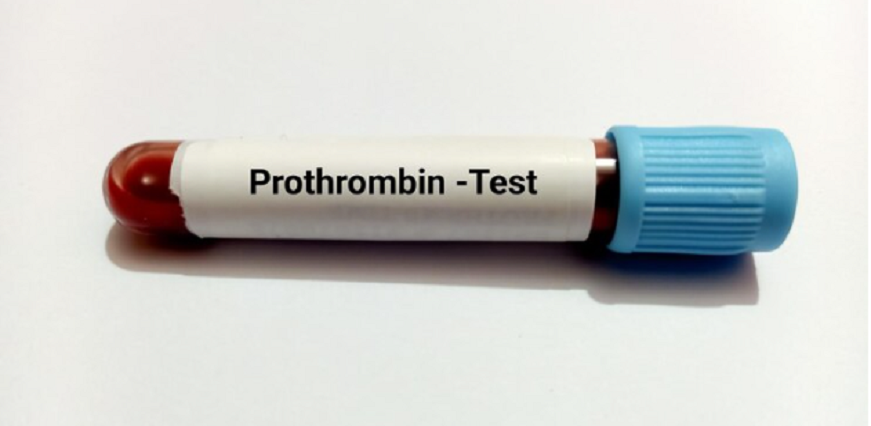
A PT INR test is a blood test that checks how quickly your blood forms a clot. It is also called a prothrombin time test or prothrombin time blood test. Doctors may recommend this test to check blood clotting or monitor people taking certain blood-thinning medicines.
If you are looking for the PT INR test full form, prothrombin test normal range, or meaning of PT INR results, this guide explains it in simple words.
What Is a PT INR Test?
A PT INR test checks how long your blood takes to clot. PT means Prothrombin Time, while INR means International Normalized Ratio.
The PT result is usually given in seconds. INR is a standardised number that helps doctors compare clotting results, even when different testing methods are used. The test may be used to check bleeding or clotting problems and to monitor some blood-thinning medicines.
What Is the Full Form of PT INR?
The full form of PT INR is Prothrombin Time – International Normalized Ratio.
- PT: Prothrombin Time
- INR: International Normalized Ratio
- PT/INR test: A blood test used to check how quickly blood clots
The test is commonly used when a doctor needs to check the blood-clotting process or monitor treatment with medicines such as warfarin.
What Is a Prothrombin Time Blood Test?
A prothrombin time blood test measures the time taken by your blood to form a clot.
A small blood sample is taken from a vein in your arm. The sample is tested in the laboratory to measure clotting time. The result may be reported as PT in seconds and INR as a ratio.
Why Is the Prothrombin Time Test Done?
Doctors may recommend a prothrombin time test for different reasons. It can help check how well your blood is clotting and may be used when there are concerns about bleeding or clotting.
The test may also be used to monitor people taking warfarin, check liver-related problems, or assess blood clotting before some surgeries.
Common reasons for a PT INR test
- To check blood clotting
- To investigate unusual bleeding or bruising
- To monitor warfarin treatment
- To check clotting before some surgeries
- To help assess some liver problems
- To look for certain bleeding or clotting disorders
What Is the Normal Prothrombin Time (PT) Range?
A commonly used PT range is around 11 to 13.5 seconds. However, the normal or reference range can vary between laboratories because different testing methods may be used.
Always check the reference range printed on your own laboratory report. A doctor should interpret your result based on your health, medicines and other test findings.
What Is a Normal INR Range?
For people who are not taking blood-thinning medicines, an INR of about 0.8 to 1.1 is commonly reported as a reference range.
For people taking warfarin, the target INR is often around 2.0 to 3.0, but the target can be different depending on why the medicine is being used. Your doctor decides the correct target for you.
Important
Do not change your blood-thinning medicine based only on your INR result. Always follow your doctor's advice.
What Does a High PT or INR Result Mean?
A high PT or INR generally means that your blood is taking longer than usual to clot.
There can be different reasons for a high result. These may include certain medicines, liver problems, vitamin K deficiency or some bleeding disorders. If you take warfarin, a high INR may mean your blood is taking longer to clot than your target range.
A doctor will look at your medicines, symptoms and medical history before explaining the result.
What Does a Low PT or INR Result Mean?
A low PT or INR can mean that blood is clotting faster than expected. The meaning depends on whether you are taking a blood thinner and why the test was done.
In people taking warfarin, an INR below the prescribed target may mean the blood is not being thinned enough. This can increase the risk of blood clots, depending on the medical condition.
Your doctor should interpret the result and decide whether any action is needed.
PT vs INR: What Is the Difference?
PT and INR are closely related but are not the same thing.
PT tells how many seconds it takes for blood to clot. INR is a standardised way of reporting clotting results. INR helps make PT results easier to compare when different laboratory testing methods are used.
| Test | What It Shows |
|---|---|
| PT | Blood clotting time in seconds |
| INR | Standardised clotting result |
| PT/INR | Combined reporting of clotting results |
Who May Need a PT INR Test?
A doctor may recommend a PT INR test if you have unusual bleeding, easy bruising or a suspected blood-clotting problem.
The test is also commonly used to monitor people taking warfarin. It may be advised before some surgeries or when a doctor wants to check certain clotting or liver-related problems.
How Is the Prothrombin Test Done?
The prothrombin test is a simple blood test.
A healthcare professional usually:
- Cleans the skin on your arm.
- Uses a small needle to take a blood sample.
- Places the sample in a collection tube.
- Sends the sample to the laboratory.
- The laboratory measures the blood-clotting time.
You may feel a small prick during the blood collection. Mild bruising can sometimes occur afterward.
Do You Need to Fast Before a PT INR Test?
Fasting is usually not required for a PT INR test. However, preparation can depend on your health condition and other tests being done at the same time.
Tell your doctor or laboratory about the medicines, vitamins and supplements you take. Do not stop or change any medicine on your own before the test.
How Long Does a PT INR Test Take?
The blood collection usually takes only a few minutes.
The time needed to receive the report can vary depending on the laboratory and testing process. Some results may be available within hours, while tests sent to another laboratory may take longer.
What Can Affect PT INR Test Results?
Several things can affect PT or INR results. These include certain medicines, vitamin K levels, liver problems and some health conditions.
If you take warfarin, medicines, supplements, alcohol and some foods can affect how the medicine works and may change your INR. Tell your doctor about any medicines or supplements you take.
What Does an Abnormal PT INR Result Mean?
An abnormal PT INR result does not always mean that you have a disease.
The result needs to be understood with your symptoms, medical history, medicines and the laboratory's reference range. Your doctor may recommend other blood tests if more information is needed.
Do not diagnose yourself from a PT INR number alone.
Frequently Asked Questions About PT INR Test
What is the full form of PT INR?
PT INR stands for Prothrombin Time – International Normalized Ratio. It is a blood test used to check how quickly blood clots.
What is a prothrombin time test?
A prothrombin time test measures how long it takes your blood to form a clot. The result is usually reported as PT in seconds and may also include an INR value.
What is the normal prothrombin time?
A commonly used PT reference range is around 11 to 13.5 seconds, but ranges can vary between laboratories. Always check the reference range shown on your report.
What is the normal INR range?
For people who are not taking warfarin, an INR of about 0.8 to 1.1 is commonly used as a reference range. People taking warfarin often have a target of 2.0 to 3.0, but the correct target depends on the medical condition.
Is PT and INR the same test?
PT and INR are related but are not exactly the same. PT measures clotting time in seconds, while INR is a standardised way of reporting the result.
Is the PT INR test done on an empty stomach?
Usually, no. Fasting is generally not needed for a PT INR test. However, follow any specific instructions given by your doctor or laboratory.
Why is my PT INR high?
A high PT or INR means blood is taking longer to clot. Medicines, liver problems, vitamin K deficiency and some bleeding disorders can be possible reasons. If you take warfarin, your result also needs to be compared with your prescribed target range.
Why is my INR low?
A low INR may mean blood is clotting faster than expected. If you are taking warfarin, an INR below your prescribed target may mean the blood-thinning effect is lower than intended. Your doctor should interpret the result.
Is PT INR a blood test?
Yes. PT INR is a blood test. A small blood sample is taken and tested to measure how quickly the blood forms a clot.
How often should PT INR be tested?
The testing frequency depends on why the test is needed. People taking warfarin may need regular INR testing. Your doctor will decide how often you need the test based on your treatment and health condition.
How Can Max Lab Help?
Max Lab provides PT INR testing to help you check your blood-clotting time. If your doctor has advised a PT INR test, you can book the test with Max Lab and get your sample tested.
Once you receive your report, discuss the result with your doctor, especially if your PT or INR is outside the reference range.
Your test report is one part of your health picture. Always follow your doctor's advice for diagnosis and treatment.


















 To reach our help desk call 7982100200
.png)
Comments