










Rat Bite Fever might sound like a scenario from a horror movie, but it's very much real and can happen to anyone. This infectious disease is often overlooked, yet it carries serious health implications. If you’ve ever wondered what happens if you're bitten by a rat or how common this fever really is, you're not alone. Understanding the symptoms of rat bite fever is crucial for prompt diagnosis and treatment.
What Is Rat Bite Fever?
Rat bite fever (RBF) is an infectious disease caused by bacteria that can be carried by rodents. The two bacteria associated with the disease are Streptobacillus moniliformis and Spirillum minus. The type of bacteria involved can vary according to geographic region. S. moniliformis is the primary cause in North America, while S. minus is more commonly associated with infections in Asia.
Despite its name, a person does not necessarily need to be bitten by a rat to develop the infection. Transmission can occur through scratches, contact with rodent saliva or urine, contaminated bedding or cages, and other close contact with infected rodents. In some circumstances, infection can occur without a known bite or scratch.
The rodents that may carry the bacteria include rats and mice, as well as some other rodents. Importantly, an infected rodent may appear completely healthy, so it is not possible to determine whether a rodent carries the bacteria simply by looking at it.
Symptoms of Rat Bite Fever
The symptoms of rat bite fever can vary depending on the bacteria responsible for the infection. Early symptoms may resemble those of other infections, which can make the condition difficult to identify without considering recent rodent exposure.
Common Symptoms
Common symptoms may include:
- Fever
- Chills
- Headache
- Muscle pain
- Joint pain or swelling
- Vomiting or nausea
- Skin rash
- Fatigue or weakness
For Streptobacillus moniliformis infection, symptoms commonly begin around 3–10 days after exposure, although they can appear later. Fever may be followed by a rash, particularly on the hands and feet, and joint pain or swelling may develop.
In infections caused by Spirillum minus, symptoms may take longer to appear. The bite site may become inflamed again after initially healing, and fever, swollen lymph nodes, and a rash may develop.
When Do Rat Bite Fever Symptoms Appear?
The incubation period depends on the type of infection. Symptoms associated with S. moniliformis commonly appear within a few days to about three weeks after exposure. S. minus infections may develop approximately 7–21 days after exposure.
This delay is important because the original bite or scratch may have healed by the time fever and other symptoms begin. As a result, a person may not immediately connect their symptoms with previous contact with a rodent.
What Does Rat Bite Fever Rash Look Like?
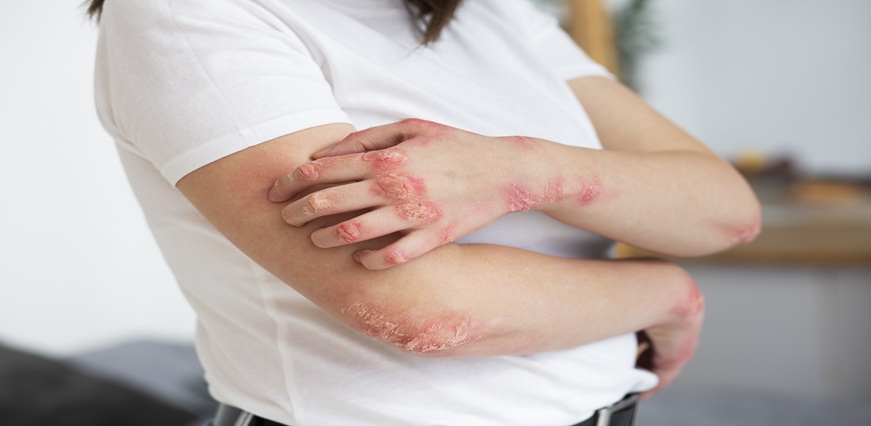
A rash is a common feature of rat bite fever, particularly with S. moniliformis infection. It may appear a few days after the fever begins and can affect the hands, feet, arms, or legs.
The rash may consist of flat, reddish areas or small raised spots. In some cases, more distinctive skin lesions can develop on the hands and feet.
A rash has many possible causes, so its presence alone cannot confirm rat bite fever. Recent contact with rats or other rodents, along with fever and joint symptoms, is important information for a healthcare professional.
Causes of Rat Bite Fever
Rat bite fever is caused by bacteria carried by infected rodents.
Streptobacillus moniliformis
Streptobacillus moniliformis is the primary cause of rat bite fever in North America. The bacteria can be present in the oral and respiratory secretions of rodents. Infection commonly occurs following bites or scratches, but other forms of contact can also transmit the bacteria.
Spirillum minus
Spirillum minus is more commonly associated with rat bite fever in Asia. It is typically transmitted through a rat bite and may cause a recurring fever, inflammation at the bite site, swollen lymph nodes, and rash.
How Does Rat Bite Fever Spread?
Rat bite fever can spread through several types of exposure, including:
- Rat or mouse bites
- Scratches from infected rodents
- Contact between broken skin and rodent saliva
- Contact with rodent urine
- Contact with contaminated cages or bedding
- Close contact with infected rodents
- Consumption of contaminated food or drinks in certain circumstances
Pet owners, laboratory workers, people who work in pet stores, and individuals who handle rodents may have increased opportunities for exposure.
Rat bite fever is not generally spread from person to person.
Who Is at Higher Risk of Rat Bite Fever?
Anyone who comes into contact with an infected rodent can potentially develop rat bite fever. However, certain situations can increase exposure.
People who may have a higher risk include:
- People who keep pet rats or other rodents
- Laboratory workers who handle rodents
- Pet-store employees
- People who handle rodents as animal feed
- People living or working in areas with rodent infestations
- People who come into contact with wild rodents
Children and teenagers may also have increased exposure because they may handle pet rodents or interact with them closely.
How Is Rat Bite Fever Diagnosed?
Diagnosing rat bite fever can be challenging because its early symptoms can resemble several other infections.
A healthcare professional will usually consider:
- The symptoms you are experiencing
- Your physical examination
- Any history of rat or rodent exposure
- The timing of the exposure
- Laboratory testing when appropriate
For S. moniliformis, bacteria may be identified through cultures of blood, joint fluid, or other appropriate specimens. PCR and other laboratory methods may also assist diagnosis in certain circumstances.
Because S. minus is difficult to grow using standard culture methods, diagnosis may involve microscopic examination or other specialized laboratory methods.
If you have symptoms after rodent exposure, tell your healthcare provider about the exposure even if the bite or scratch has already healed.
Treatment for Rat Bite Fever
Rat bite fever is treated with antibiotics. Early treatment is important because untreated infection can progress and cause serious complications.
Penicillin-based antibiotics are commonly used, while other antibiotics, including doxycycline, may be considered depending on factors such as the patient's condition and medication allergies. Severe infections may require treatment with intravenous antibiotics and hospital care.
The exact antibiotic, dose, route, and duration should be determined by a healthcare professional. Do not self-medicate with leftover antibiotics or stop prescribed treatment early because you begin to feel better.
Possible Complications of Rat Bite Fever
Without appropriate treatment, rat bite fever can affect multiple parts of the body.
Possible complications include:
Septic Arthritis
The infection can affect the joints, causing significant pain, swelling, and inflammation. Joint involvement can sometimes persist for an extended period.
Endocarditis
In rare cases, the bacteria can infect the inner lining of the heart or heart valves. Endocarditis can be a serious and potentially life-threatening complication.
Meningitis
Infection can occasionally involve the membranes surrounding the brain and spinal cord. Symptoms may include severe headache, fever, neck stiffness, vomiting, or sensitivity to light. This requires urgent medical attention.
Kidney and Liver Complications
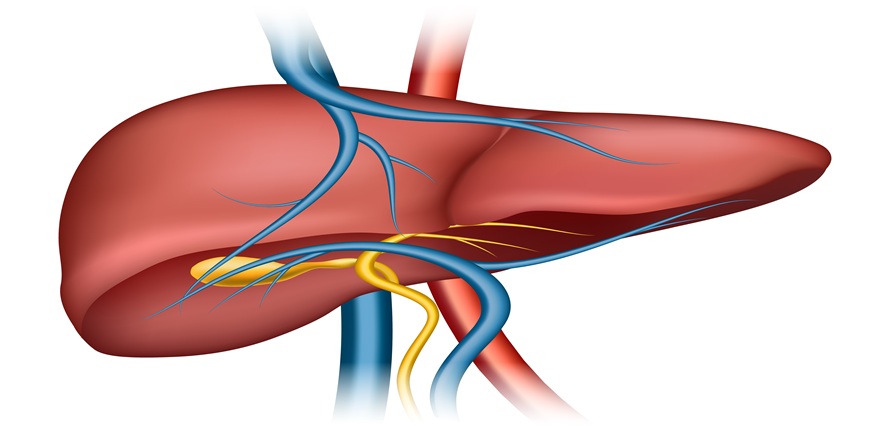
Severe infection may affect organs such as the kidneys and liver. Other organs, including the lungs and heart, can also be involved in complicated cases.
Abscesses and Other Infections
Rarely, infected collections of fluid or abscesses can develop in different tissues. Prompt antibiotic treatment helps reduce the risk of serious complications.
How to Prevent Rat Bite Fever
Prevention begins with reducing contact with rodents and maintaining good hygiene.
1. Control Rodent Infestations
Inspect your home for holes, cracks, and other possible entry points. Seal openings where rodents could enter.
2. Store Food Safely
Keep food in sealed containers and clean up food spills promptly. Proper food storage can help discourage rodents from entering your home.
3. Handle Pet Rodents Carefully
If you keep rats, mice, or other rodents as pets, wash your hands thoroughly after handling them, their cages, bedding, food, or other materials.
4. Avoid Wild Rodents
Do not attempt to pick up or handle wild rats, mice, or other rodents, even if they appear harmless.
5. Use Protective Measures at Work
People who work in laboratories, pet stores, animal facilities, or other environments involving rodents should follow appropriate workplace safety and hygiene procedures.
6. Clean Contaminated Areas Safely
If you discover rodent urine, droppings, nesting materials, or contaminated bedding, take appropriate precautions during cleaning and avoid direct contact with potentially contaminated materials.
What Should You Do After a Rat Bite or Scratch?
If a rat or other rodent bites or scratches you, wash the affected area thoroughly with soap and running water.
Monitor yourself for symptoms such as fever, chills, rash, vomiting, headache, muscle pain, or joint pain over the following days and weeks.
If you develop symptoms after rodent exposure, contact a healthcare professional promptly and explain when and how the exposure occurred. Early recognition and appropriate antibiotic treatment are important because rat bite fever can become serious if left untreated.
Is Rat Bite Fever Serious?
Rat bite fever can be serious, particularly when treatment is delayed. Most importantly, the infection should not be ignored simply because the original bite or scratch appears to have healed.
Untreated disease can result in complications involving the joints, heart, brain, kidneys, lungs, liver, or other organs. Early diagnosis and appropriate antibiotic treatment can help prevent these complications.
Conclusion
Rat bite fever is a bacterial infection that can develop after contact with infected rats and other rodents. While the condition is not common, recognizing its symptoms is important because the infection can become serious without appropriate treatment.
Common symptoms include fever, chills, headache, vomiting, muscle pain, joint pain, and rash. Depending on the bacteria involved, symptoms may appear days or weeks after exposure, and the original bite may already have healed.
If you have recently been bitten, scratched, or exposed to a rat or other rodent and subsequently develop fever, rash, joint pain, or other unusual symptoms, seek medical attention promptly. Tell your healthcare provider about the rodent exposure so that rat bite fever can be considered as part of the diagnosis.
Early medical evaluation and appropriate antibiotic treatment can help prevent serious complications and support recovery.
















 To reach our help desk call 7982100200
.png)
Comments